TRUST DENTAL
@trustdentalcare

Category: Blog

Your blog category

  • Lingual Papillitis: 3 Simple Tips Soothe Swollen Taste Buds

    Lingual Papillitis: 3 Simple Tips Soothe Swollen Taste Buds

    Lingual Papillitis: What Should You Do About Swollen Taste Buds Transient

    Lingual Papillitis? What are? As much as irritating swollen taste buds can be, the chances are that you’ve gotten transient lingual papillitis at least once in your lifetime. Those uncomfortable, bothersome white or red bumps pop up on your tongue and disappear after a few days. If you wonder where these come from and what they mean, stick around until the end of this article.

    So What Exactly Is Transient Lingual Papillitis?

    Transient lingual papillitis is also known as lie bumps. A long time ago, people believed that these bumps developed on their tongues when someone lied. Although nobody really believes this superstition nowadays, we still call it the same. Transient lingual papillitis is painful reddish-white lumps or spots on the tongue that come and go independently. Although they tend to recur, they’re usually not something to worry too much about.

    Lingual Papillitis

    Swollen taste buds or Types and Symptoms to Look Out for

    Localized transient lingual papillitis

    This type of lie bump is the inflammation of one or more fungiform papillae within one location of the tongue., usually the tip, which refers to as transitory lingual papillitis. You’ll notice single or several elevated red or white/yellow painful lumps on your tongue. The bump usually goes away in one to two days, although it can stay up to several days in rare cases. Other signs and symptoms of this type include:

    • Dry mouth
    • Distorted taste
    • Having trouble eating spicy foods, specifically 
    • A sensation of your tongue burning, tingling, or itching

    Eruptive Lingual Papillitis

    This type frequently affects children the most and produces a quick onset of disease across the body. The symptoms are fever, swollen glands, and painful lumps on the tip and sides of the tongue.

    The disease usually lasts approximately a week but can reoccur a few months later. Children can create excessive saliva and have a hard time eating, in addition to pain, fever, and swollen glands. You can consult with us.

    What Are the Causes of Lingual Papillitis

    Unfortunately, there’s no specific and clear underlying cause for this condition. However, studies show that the bumps are not harmful or damaging in most cases. While there’s still a long way to go with research about the causes of transient lingual papillitis, here’s a list of things that can make you more vulnerable to it: 

    • Acidic or sugary foods
    • Spicy foods
    • Inflammation and stress
    • Biting your tongue
    • A tongue burn
    • Digestive issues
    • Allergies to certain foods

    Lie bumps develop when the tongue’s little fleshy papillae become inflamed. The taste buds are in the papillae, which can enlarge and create pimples when inflamed.

    Lie Bump

    Can Your Dentist Diagnose Lie Bumps?

    Make an appointment to see your dentist if your lie bumps hurt and haven’t gone away after a week. Your dentist will examine the bumps and will most likely diagnose them only based on their appearance. 

    If your doctor isn’t sure if the bump is a normal bump or the result of a condition like human papillomavirus, they may do a biopsy to rule out other possibilities. To do so, your doctor will most likely use a local anesthetic to numb the area. Next, they’ll take a little piece of the lump and analyze it under a microscope to develop an adequate solution.

    Lie Bump

    How Do You Treat Lie Bumps?

    Fortunately, in most cases, there is no need for a biopsy to diagnose temporary lingual papillitis. A dentist can diagnose based on a visual examination and your medical history.

    Your dentist in Mexico can choose the best treatment for you based on the severity of your symptoms. Treatment for transient lingual papillitis is simple. It can usually be treated with warm salt water rinses and over-the-counter pain relievers. If your TLP is extremely severe, your dentist may offer topical local anesthetics or corticosteroids. Most of the time, the condition goes away on its own after a few days of treatment and doesn’t come back. 

    Dentists and dental hygienists are tongue specialists. Schedule an appointment with a dentist in Mexico if you start to feel tongue pain or notice changes in your tongue’s appearance. They will provide a precise diagnosis and the appropriate therapy for your specific needs, allowing you to smile more confidently with no tongue issues. 

    If you think you may have any symptoms and wish to book an appointment with us, please do so without hesitation. For more content or valuable information, take a look at our Blog Posts.

    Lingual Papillitis
  • Cyanide Tooth How Does This Spy Movie Legends Works

    Cyanide Tooth How Does This Spy Movie Legends Works

    Cyanide Tooth: Spy Movie Legends

    The cyanide tooth serves as a secret pill hidden in false teeth. The mysterious world of espionage features many emergency cyanide pills. It also includes a fake tooth with a hidden chamber. We all know about these pills. James Bond and Captain America make enemy prisoners foam at the mouth. They stumble after taking their secrets to the grave and beyond.

    Is little more than a pop-culture legend. Actually, the prevalence of emergency suicide measures in spies stories are generally excessive.

    Myth or not, this phenomenon is such a popular pop-culture trope probably because of the use that movies, comics, and TV have given to it. However, there have been tons of people that actually hide cyanide capsules in their mouths.

    According to Vince Houghton, a curator at the International Spy Museum in Washington D.C., a lot of Nazis chose that way to die during WWII.

    Houghton referred to the May 1945 suicide of high-ranking Nazi Heinrich Himmler, who bit into a cyanide pill while in confinement. A list of his Nazi collaborators preferred the same way out at the end of the war.

    Some Allied forces also carried deadly suicide pills in case they were caught behind enemy lines. The use of the cyanide tooth pill or their specter lasted through the Cold War.

    Cyanide Tooth: The Fast-acting Poison

    A cyanide tooth contains a lethal, fast-acting poison. This poison became almost synonymous with the idea of a suicide pill. People widely know this concept around the world. It is also well recognized in pop culture.

    In a 2013 Wired article, we learned that the cyanide tooth pill that appears in Skyfall, a Bond movie, science writer Deborah Blum explained it as a “famously fast-acting poison due to its ability to induce extreme chemical suffocation of cells and to disrupt enzymatic processes.” 

    This pill can kill someone in minutes. Deborah Blum points out its lethal mystique, which still exists today. This pill represents a unique cloak-and-dagger trope rooted in history. It might surprise you that false teeth with hidden chambers also exist in real life.

    Deborah tells that obviously, there are artificial teeth that have been used by spies and soldiers, but most of the time, it has been practiced to cover microdots, film, those types of things.

    These teeth would often have been placed in on molars, somewhere in the back of people’s mouths where they would be hard to be detected. This makes sense, too; if you are a spy or a soldier, you don’t want the enemy to discover your trick.

    Houghton, the person from the Spy Museum, said that there is no real collection of someone that ever covered a cyanide tooth in a fake tooth. There is no evidence we can see of someone using a hollow tooth now or in the past.

    Cyanide tooth

    Cyanide Capsules In the Past

    Most cyanide capsules are huge, which makes the legend more apocryphal and anecdotal. Accidental swallowing poses a danger with cyanide teeth or capsules. During World War II, the pills were about the size of a pea. This size makes it too big to hide safely inside a fake tooth.

    There are confirmed examples of capsules hidden in the ends of pens and temples of glasses, where they could be secretly chewed. 

    In new research, French scientists studied remnants of Adolf Hitler’s teeth to confirm that he died in 1945. And also, that he died after using a cyanide pill and shooting himself in the head. 

    In this investigation, published by the European Journal of Internal Medicine during 2018, attempts to end the conspiracy theories about Hitler’s death. 

    This scientific investigation of the German dictator’s teeth and skull demonstrates that he died in 1945.

    Philippe Charlier, author of this research, confirm to the AFP all this data after confirming that those teeth were of the German dictator. 

    All this establishes that Adolf Hitler died in his bunker after the Russian invasion. So, the investigation validates that he didn’t escape to Argentina in a submarine; he is not in an unknown base in Antarctica either. 

    In late April 1945, as Soviet forces assaulted Berlin, Adolf Hitler started plans for his suicide. His program involved testing SS-supplied cyanide capsules on his Alsatian, Blondi, and dictating a final testament. 

    Two days earlier, Mussolini was executed after been captured by the Allies. Mussolini had been shot by a firing unit and then was hung by his feet in a public place in a suburban square in Milan, Italy. 

    Rumors said that Hitler couldn’t cope with all this and decided to kill himself. He will never accept his defeat, so he preferred to die by his terms because a similar fate seemed inevitable. 

    Late on April 30, the corpses of Hitler and Eva Braun (his new wife), were discovered in his bunker, with a bullet hole in Hitler’s head. 

    Cyanide tooth

    Captain America: The First Avenger

    During WWII, cyanide capsules we very common among spies. As such, after executing Abraham Erskine, HYDRA agent Heinz Kruger tried to escape using the Fieser Dorsch

    Steve Rogers (Chris Evans) pursued Kruger and frustrated his escape. Before anyone could question him, Kruger swallowed a cyanide capsule. He hid the capsule inside a fake tooth. He died quickly after threatening Captain Rogers. Kruger warned that he was the beginning of many HYDRA missions.

    Cyanide pills appear in Captain America: The First Avenger, Agents of S.H.I.E.L.D., and Agent Carter T.V. series.

    So, these pills, also known as the suicide pill, is a small capsule that contains a lethal substance designed to be swallowed deliberately to end one’s own life quickly.

    So, Kruger causing his own death in the movie during WWII makes sense. These capsules we pretty common among spies and soldiers as we learn earlier in this blog.

    Chester Phillips remarked in his interrogation of Arnim Zola that Zola was the only HYDRA agent that the strategic scientific reserve caught alive because he didn’t use a cyanide pill. 

    “Cyanide. You get a painless death, and nobody gets the satisfaction of watching you hang.” ― Roger Dooley to Ernst Mueller.

    Cyanide tooth
  • Cosmetic Dentistry: 3 Shocking Transformations of Celebrities

    Cosmetic Dentistry: 3 Shocking Transformations of Celebrities

    Cosmetic Dentistry Celebrities

    Celebrity Smile, The Hollywood Secret

    Cosmetic dentistry from whitening to straightening, veneers to braces, these ladies, and gentlemen all tweaked their teeth to accomplish the ultimate celeb super-smile. Once these stars hit fame, they decided it was time to give their smiles a little makeover. See the most amazing celebrity teeth before and after. From Zac Efron to Matthew Lewis, they transformed into a whole new person. 

    Teeth Transformation Thanks to Porcelain Veneers

    Many celebrities have undergone some form of cosmetic dentistry to correct or enhance their smiles. For example, porcelain veneers are a popular alternative for celebrities and everyday patients to improve their smiles.

    Porcelain veneers used to be an exclusive procedure for Hollywood stars. However, nowadays, most people can opt for this. Especially if patients choose Tijuana to find the perfect cosmetic dentist to do the job! 

    Dental veneers are a great way to eliminate any visible stains, discoloration, minor gaps, or chips in the teeth. Plus, they can keep your smile brilliantly white and radiant. 

    So it’s no wonder they are a common choice for those who are always in celebrities like Millie Bobby Brown, Lindsay Lohan, Tom Cruise, and many others have gone through this procedure.

    Cosmetic Dentistry Celebrities

    Cosmetic dentistry: Purposes of a Porcelain Veneer

    A porcelain veneer is a thin, synthetic material that is bonded and molded over the tooth’s surface. The purpose of a porcelain veneer is to mimic the natural look of a tooth while providing the same resilience as natural tooth enamel.

    This is often a go-to option for patients looking to make slight alterations to the composition and color of their teeth. They’re a multi-dental problem solver. Think of porcelain veneers as a “multi-deliver” procedure. 

    When undergoing this procedure, you can expect:

    • An improvement in the proportion of shorter teeth
    • An increased symmetry of the teeth
    • Masking of the discoloration observed on your natural teeth
    • Don’t let its thin material fool you. Once bonded to a weakened or cracked tooth, for example. 
    • A porcelain veneer can eliminate the need to remove that tooth by acting as a splint—also, thanks to the versatility of porcelain veneers. 
    • The chances of undergoing specific extensive dental procedures, decrease. 

    Celebrity Teeth Before and After: We can Spot the Differences!

    People say that the smile is the window to the soul. But, it is also the first thing others see in you.  So, when you are a famous person, it is obvious that you want to give the best look possible. You are under the spotlight.

    It seems that Hollywood celebrities take the analogy pretty seriously, making big changes in their smiles. From Matthew Lewis to Kylie Jenner, some of our favorite stars have undergone extreme teeth transformations, swapping their crooked gnashers for a poker-straight, blindingly bright set of teeth. 

    People don’t call it a “Hollywood Smile” just because they can. 

    As mentioned before, the growth of these cosmetic treatments was an exclusive thing back in the day, but not anymore. Everybody can reach these options to get that desired smile. Teeth whitening, porcelain veneers, tooth crowns, and dental implants are becoming so popular because right now, those treatments are available without breaking the bank accounts.

    When you think of Matthew Lewis, imagine a great smile: big white teeth in perfect alignment, a grin that impresses you again and again.

    Cosmetic Dentistry Celebrities
    By https://creekview-dental.com/

    It might take by surprise to know that one of the most famous actors from Harry Potter’s saga didn’t always have those million-dollar teeth. Lewis is one of the many stars who have gone to a cosmetic dental specialist to change the crooked teeth.

    Matthew Lewis wisely got his cosmetic dentistry process done after the big success of Harry Potter’s saga that launched him into the fame world. Probably you remember him with his old smile, but now, when you hear his name, perhaps the great-looking smile (and body) pops in your mind right away.

    Actors sell their faces. It is the main product. So, it is brilliant for them to invest in their teeth, trying to land in another starring role in a series or movie. It is important to remember, trustworthy smile in their field of work.

    Cosmetic Dentistry Celebrities
    By https://creekview-dental.com/

    Keeping Up With the Great Smiles

    With their focus on motherhood, family, and expanding empires, the Kardashians are closer than ever and prove that family transcends everything else. But, throughout the years, these sisters have proved that they are changing not just the fashion world with make-up and clothes, but the plastic surgery and dentistry business. 

    Bone gives the architecture of our faces, but so do our teeth. The Kardashians have changed their look through the years with the help of cosmetic dentistry too, not only plastic surgery. That is why they look so different. A great example is Kylie Jenner.

    Cosmetic Dentistry Celebrities
  • Forensic Dentistry: Three Most Famous Solved Cases Solved

    Forensic Dentistry: Three Most Famous Solved Cases Solved

    Three most famous cases solved by forensic dentistry

    Forensic Dentistry? You’ve probably heard about forensic dentistry at this point in life. If you don’t, you are about to learn some good stuff.

    Have you ever spent many hours in front of the television watching your favorite crime series? It’s incredible how easily they solve cases in less than 40 minutes and catch the killer at the last minute.

    It’s surprising how some portray forensic dentistry as a simple task. The other day, I watched an episode with a friend. In this episode, a group of detectives identified a victim using dental records. His entire body had charred, but his teeth remained intact. The teeth suffered no harm.

    My friend turned around surprised and asked me: “Cirenia, is it really possible that someone can be recognized only by their tooth?” I stopped the chapter at the best part and replied: “yes, it is possible. “

    Enthusiastically she asked me to tell her everything I knew about the topic and if I had ever participated in a similar case.

    At that moment, I felt like one of those detectives dressed in long dark coats and leading an old patrol through the city at night, searching for criminals.

    #1 The Lady of the Gold Teeth

    The use of the dental record has its first antecedents around 49 B. C in Rome. Lollia Paulina, the third wife of Emperor Claudius at that time, was executed under the orders of Agrippina the Younger, who, to be the regent’s new wife, could eliminate someone from her own family.

    To ensure that the body was indeed that of Lollia, Agrippina forced the soldiers to dig up. Nothing was left of her, and it was almost impossible to know if it was the woman she had murdered.

    Before giving up, Agripina recalled that her relative had had her teeth restored in Alexandria with gold.

    In this way, she opened the corpse’s mouth and finally felt satisfied with her revenge and rule with his brother Claudio until her death.

    Forensic Dentistry Cases 01

    #2 The Charming Killer

    The following case resembles the CSI or Law & Order episodes: Special Victims Unit. I refer to a particular serial killer who murdered about 30 people between 1973 and 1878 in the United States and Canada. His charismatic and charming personality captivated the television audience, who came to believe in his innocence and demanded that he be released.

    I am referring to Theodore Robert Cowell Bundy or Ted Bundy. For five years, he toured the roads in his Volkswagen and murdered women who fit the profile he wanted. Young, beautiful, and single. The few witnesses who could see him confirmed that he always brought books. He used it as a disguise to pose as a university student; on other occasions, he appeared with a plastered arm pretending to be wounded and thus attacking his victims.

    It was not until February 23, 1976, that the police gathered enough evidence to arrest him and begin a lengthy trial against him that lasted until 1980. The critical piece for his arrest was the appearance of a corpse, which presented a bite on the body. Thanks to forensic dentistry, specialists verified that it was Ted Bundy’s teeth.

    Florida County sentenced him to the electric chair, and the rest is history. Netflix even produced a movie that dramatically represents the event. To confirm that the body was Lollia’s, Agrippina forced the soldiers to dig it up. Nothing remained of her, making it almost impossible to identify the woman she had murdered.

    Before giving up, Agripina recalled that her relative had had her teeth restored in Alexandria with gold. In this way, she opened the corpse’s mouth and finally felt satisfied with her revenge and rule with his brother Claudio until her death.

    Forensic Dentistry Cases 02

    #3 The Angel of Death

    Finally, I would like to delve into the life of one of the most hated characters in human history—one of the first cases in which forensic dentistry managed to position itself as a valid science for recognizing people.

    On May 24, 1943, the extermination camp at Auschwitz, Poland, received a new member. A 32-year-old doctor named Josef Mengele. He was known later on as The Angel of Death and was the leading operator of the concentration camp at Auschwitz.

    Josef Mengele was a German anthropologist and physician affiliated with the SS, starting in 1937. He obtained the position of director of experiments in extermination camps on Adolf Hitler’s orders. After WWII, he escaped to Latin America. He lived as a fugitive from justice and constantly changed his residence. His location became a mystery, and so did his death.

    He drowned on a beach in Brazil in 1979. They buried him in a grave under a different name to conceal his identity. In 1985, they exhumed his corpse. Unfortunately, soil conditions complicated Mengele’s recognition due to advanced putrefaction. In this case, forensic dentistry played a crucial role. The dental records allowed experts to confirm his identity. With that, The Angel of Death fell.

    Forensic Dentistry Cases 03

    Where Could We Find a Person’s Dental Records?

    As we have read, forensic dentistry is a science that has gone through long tests to be considered a valuable source of results. It is similar to other disciplines, such as criminology or criminal law, which together complement each other.

    Studying a person’s teeth can reveal just as accurate data as blood tests. For example, we can know their age, weight, gender, type of diet, socioeconomic situation, or last place of residence. The teeth can survive the most extreme conditions and be preserved intact.

    Thanks to enamel, the most durable human body tissue, preserving the teeth is possible. Like our fingerprints, they are unique. No one has teeth like ours.

    The dental record is an official and highly secure document that records all our treatments or surgical interventions on the denture. Only your dentist can use your records.

    On the other hand, there is also the odontogram or the dental chart, a graphic representation of our last dental state. This allows the forensic dentist to determine the corpse’s identity or the cause of death if sufficient evidence is available.

    Forensic dentistry is one of the cheapest methods for recognizing people, contrary to other techniques used in criminology. If you need your dental record, you only have to ask for it in the clinic you assist. Remember that no one can access them more than you and your doctor. If not, the clinic may consider it an act of medical negligence.

    So, next time you catch criminal series or movies, you will remember forensic dentistry and its workings.

    Forensic Dentistry Cases 04

    A Little Forensic Dentistry Advice Before Finishing

    As a last piece of advice, I would recommend you, just as I told my friend at the end of our talk, that you clean your teeth thoroughly and frequently go with your dentist. Since one never knows if someone will want to confirm our identity by checking our teeth, and what a shame they find out, we never brush them or let that fang ruin our smile. 

    So, now you know what cases are forensic dentistry, If you want to learn more about dentistry click here.

    Forensic Dentistry Cases 05
  • Osteitis: 5 Powerful Reasons to Understand Bone Overgrowth

    Osteitis: 5 Powerful Reasons to Understand Bone Overgrowth

    Osteitis: The Condition That Grows Extra Bone Condensing

    Osteitis is one of the dental conditions we can talk about this time. You’ve probably never heard of this, but it is possible that you or someone you know can develop it. While condensing osteitis is quite rare, it occasionally happens, even in people who take their oral health very seriously.

    So, to help you understand, we’ve put together some helpful general information about this singular condition below to address some common questions, concerns, and treatment choices.

    What is Condensing Osteitis?

    Unlike other oral diseases that decrease your tooth and jaw mass, Condensing osteitis promotes bone growth. This extra bone density happens at the base of your tooth roots. While condensing osteitis is classified as an inflammatory disease, it reacts to an inflammatory trigger. It tends to happen when the pulp of your tooth gets infected or has chronic inflammation.

    Condensing osteitis is uncommon in infection responses since it enhances bone production rather than destroys it, which is the more normal response to an inflammatory disease of this type. This condition is frequently asymptomatic and only produces tenderness and pain on rare occasions. Your dentist can discover and diagnose it based on the appearance of one of these on an X-ray. 

    Condensing osteitis is most usually associated with young adults. However, it can strike anyone at any age. The premolar/molar region of the mouth is where the majority of instances are usually discovered.

    Osteitis Dental Bone Inflamation

    Causes of Condensing Osteitis

    This condition comes from external factors. You can say it’s a chain reaction. For instance, your tooth can suffer from pulpitis, which will cause inflammation or infection, and that’s when condensing osteitis occurs.

    Treatment of Condensing Osteitis

    To treat it, first, you should visit the dentist to know if you have it. Once your dentist is certain you have condensing osteitis. Usually, the best course of action is to refer you to an endodontist. 

    Your tooth will be checked during your endodontic appointment. The endodontist will examine the area around your tooth and perform a test to determine the health of the pulp within it. Endodontists use a mix of four procedures to examine pulp:

    • Cold-testing
    • Hot-testing
    • Electricity test
    • Cavity examination

    Your endodontist will recommend a mix of tests based on your symptoms. A cold or hot test, for example, will be used if there is no existing thermal pain or sensitivity in the area. 

    The electric test necessitates precise conditions and is not always feasible. Because it requires stimulation of the pulp without anesthesia, the cavity test is considered a last resort. This stimulation will cause discomfort in the vital pulp.

    Suppose the tooth’s pulp has developed an irreparable level of pulpitis (a severe inflammation of the dental pulp). In that case, the tooth may be impossible to heal effectively and may need to be pulled.

    Osteitis Dental Bone Inflamation

    How Serious Is Condensing Osteitis?

    It may come as a surprise, but if the sclerotic tooth has no uncomfortable or painful symptoms and is benign, there is no need to treat it. It can stay put and normally work for long, sometimes for many years. However, you should get periodic radiographs of the tooth to monitor any changes that may arise over time and rectify them if necessary.

    If you’re looking to get a check-up to get your dental health on track, don’t hesitate to contact us. We are professionals in dental tourism in Mexico, and we’re ready to help your smile be the best version it can be.

  • Sunken Face How Multiple Missing Teeth Affect Your Face

    Sunken Face How Multiple Missing Teeth Affect Your Face

    How Multiple Missing Teeth Affect Your Face: Sunken Face

    Missing Teeth? Why do some people have a sunken face? Often, the times are related to age or preventable dental problems, which happen when you lose teeth. If you lose a tooth, your face changes and the surrounding structures of the face can have aesthetic and health consequences. If you want to know how it can affect your facial appearance if you lose teeth, the causes, prevention tips, and what dental treatment can help you, in this article we’ll discover.

    How is Facial Structure?

    How to support the face? The complex structure: Bones and tissues (jaws, muscles and skin). To maintain the structure, the teeth play a vital role; if you have a set of teeth to support the lips and cheeks and help you look youthful. It also helps keep bones strong and healthy because a stimulus exists in the jaws through normal chewing and biting movements.

    Sunken Face

    Missing Teeth Consequences on Facial Aesthetics

    Teeth tissue: Surrounding tissues, the facial appearance changes to look sunken and less young. 

    Jawbone: When you lose teeth, there exists a lack of stimulation, which causes the jawbone to resorb or shrink, causing a receding chin and collapse of facial structure.

    Facial Contours: Skin laxity, wrinkles near the mouth, and a shorter appearance of the lower third of the face are some changes that occur in the facial contour, contributing to a sunken appearance.

    Smile and lips: The person’s appearance changes making them look less healthy and young. In most cases, tooth loss affects the lips, causing them to sink and look thin.

    Psychological and Social Aspects

    Tooth loss not only affects appearance, but people also experience other problems such as:

    Security and self-esteem: There is a constant fear with feelings of insecurity and shame when smiling and it affects the quality of people’s social life.

    Social interaction: Feelings of isolation and depression because people avoid attending social events due to concerns about their appearance.

    Communication: There are problems with speaking and generating social anxiety due to tooth loss.

    Dental Implanst Tijuana Mexico

    Dental Treatments Options in Tijuana to Missing Teeth

    At Trust Dental Care, we are concerned about your dental health; we have the best options for your missing teeth and we use the latest technology. Our dental treatment options are:

    Dental Implants: They serves as a stable foundation for replacement teeth, helping to stimulate the jawbone, preventing further bone loss, and improving facial structure and aesthetics, as they function as artificial tooth roots.

    All on 4 Dental Implants: It offers a more efficient way to restore smiles and facial volume. It is an innovative solution that involves placing four dental implants to support a full arch of replacement teeth. It is a permanent solution that improves function and appearance; it is recommended for patients with significant tooth loss.

    Dentures: They support the facial structures, helping restore a more youthful appearance. Full or partial dentures can replace missing teeth.

    Bone Grafting: Before dental implants are placed, a bone graft may be performed to restore the jawbone’s structure in cases of significant bone loss. 

    It is important to understand why tooth loss affects the face with a sunken appearance among other changes. You can always go to Trust Dental Care to find out what the best treatment options are if you are experiencing the effects of tooth loss. Some of our treatments that help restore functionality and smile are dental implants and all on 4 dental implants. Take the first step with us and schedule right now!

  • Root Canal: 5 Powerful Reasons to Get One in Tijuana Mexico

    Root Canal: 5 Powerful Reasons to Get One in Tijuana Mexico

    Understanding When a Root Canal is Recommended

    A Root Canal in Tijuana Mexico is a dental procedure that involves the removal of infected or damaged pulp from the inside of a tooth. The pulp is the soft tissue that contains nerves, blood vessels, and connective tissue, and when it becomes infected or injured, it can cause severe pain and discomfort. Is performed to alleviate pain, save the tooth from extraction, and restore the tooth’s function.

    During the procedure, the dentist will carefully remove the infected pulp, clean the inside of the tooth, and then seal it to prevent further infection. The tooth is then typically restored with a crown to provide strength and protection. Are commonly performed by endodontists, who specialize in treating the inner structures of teeth.

    When is a Root Canal recommended?

    I recommended when the pulp inside a tooth becomes infected or damaged. This can occur due to deep decay, a cracked tooth, repeated dental procedures on the same tooth, or trauma to the tooth. Common symptoms that may indicate the need for a root canal include severe toothache, sensitivity to hot or cold temperatures, swelling and tenderness in the gums, and a persistent bad taste in the mouth.

    If left untreated, an infected or damaged tooth can lead to serious complications, including abscesses, tooth loss, and even systemic infections. Therefore, it is important to seek prompt dental care if any of these symptoms are present. A thorough examination by a dentist, including X-rays, will help determine if a root canal is necessary.

    Benefits of getting a Root Canal in Tijuana Mexico

    Tijuana, located just across the border from San Diego, has become a popular destination for dental tourism, including root canals. There are several benefits to getting a root canal in Tijuana:

    Cost comparison

    One of the main advantages of getting a Root Canal in Tijuana is the cost savings. Dental procedures, including root canals, can be significantly more affordable in Tijuana compared to other locations, such as the United States or Canada. This is due to lower operating costs and a lower cost of living in Mexico. Patients can expect to save up to 70% on the cost by choosing to have the procedure done in Tijuana.

    Finding a Reputable Dentist to Root Canal

    While cost savings are important, it is equally important to find a reputable dentist who can provide high-quality care. Tijuana is home to many skilled and experienced dentists who have received their education and training in reputable institutions. It is essential to do thorough research and choose a dentist who is board-certified and has a track record of successful root canal procedures. Reading reviews and testimonials from previous patients can also help in the decision-making process.

    Root Canal Treatment

    Factors to Consider When Deciding to get a Root Canal in Tijuana Mexico

    Before deciding to get a Root Canal in Tijuana, there are several factors to consider. First, it is important to evaluate the overall cost of the procedure, including travel expenses and accommodation. Additionally, patients should consider the logistics of crossing the border, including passport requirements and wait times. It is also crucial to plan for follow-up visits and aftercare, as some complications may require additional trips to Tijuana.

    Exploring the Root Canal Procedure in Tijuana

    The Root Canal Procedure in Tijuana is similar to the procedure performed in other locations. After a thorough examination and diagnosis, the dentist will administer local anesthesia to numb the area around the affected tooth.

    Once the patient is comfortable, the dentist will make a small access hole in the tooth to reach the infected or damaged pulp. Using specialized instruments, the dentist will carefully remove the pulp and clean the inside of the tooth.

    The tooth is then sealed with a biocompatible material to prevent further infection. In some cases, a temporary filling may be placed until a permanent restoration, such as a crown, can be placed.

    The entire Procedure typically takes one to two appointments, depending on the complexity of the case. The dentist will provide instructions for aftercare, which may include avoiding hard or sticky foods, practicing good oral hygiene, and scheduling follow-up visits to monitor the healing process.

    Factors to Consider When Deciding to get a Root Canal in Tijuana

    First, it is important to evaluate the overall cost of the procedure, including travel expenses and accommodation. Additionally, patients should consider the logistics of crossing the border, including passport requirements and wait times. It is also crucial to plan for follow-up visits and aftercare, as some complications may require additional trips to Tijuana.

    Root Canal Diagnosis root canal dentist near me

    How Much Does a Root Canal Cost in Tijuana Mexico?

    The cost of a Root Canal in Tijuana can vary depending on the complexity of the case and the dentist’s fees. On average, the cost in Tijuana is significantly lower compared to other locations. Patients can expect to pay around $300 to $500 compared to $1,000 to $2,000 in the United States. It is important to note that additional costs, such as the cost of a crown or other restorations, may apply.

    Testimonials from Patients

    Many patients who have chosen to get a Root Canal in Tijuana have shared positive experiences and testimonials. They highlight the professionalism and expertise of the dentists, as well as the cost savings and convenience of the location. Patients have reported minimal pain during and after the procedure, and have been satisfied with the quality of care they received. These testimonials can provide reassurance and confidence to individuals considering a Root Canal in Tijuana.

    Conclusion: Is getting a Root Canal in Tijuana the right choice for you?

    Getting a Root Canal in Tijuana can offer several benefits, including cost savings and access to skilled dentists. However, it is essential to carefully consider the logistics, costs, and potential complications before making a decision. Consulting with a reputable dentist and weighing the pros and cons can help individuals determine if getting a Root Canal in Tijuana is the right choice for their specific needs. With proper research and planning, individuals can find high-quality dental care at an affordable price in Tijuana.

    For more information, visit Trust Dental Care or call 619 866 6060 to schedule a consultation with a trusted dentist in Tijuana.

  • Why Dental Consultation Matters: 5 Reasons to Prioritize

    Why Dental Consultation Matters: 5 Reasons to Prioritize

    5 Reasons to book a dental consultation

    A dental consultation is the foundation of personalized dental care, fostering a collaborative dialogue between you and your dentist. This meeting delves into various facets of your oral health, dental procedures, and concerns. In this comprehensive guide, we will explore the critical elements of dental consultations, emphasizing their significance in preventive care, addressing common concerns, and unlocking the benefits of routine dental visits.

    Importance of Dental Consultations

    Your oral health journey begins with acknowledging the importance of openly addressing oral health issues and concerns. This transparent communication forms the basis for effective dental health assessment, ensuring that your unique needs are met.

    Significance of Regular Dental Consultations

    Regular dental visits extend beyond fixing problems; they are pivotal in preventing dental issues. Understanding the importance of routine dental visits empowers you to make informed decisions about your oral health, contributing to a lifetime of healthy smiles.

    Top Five Reasons for Regular Dental Consultations

    Dental Consultation #1 Prevention of Tooth Decay and Gum Disease

    Regular cleanings and consultations play a crucial role in preventing tooth decay and gum disease. Early detection during routine visits allows for timely intervention, avoiding more extensive and costly treatments. Understanding the importance of routine dental visits empowers you to make informed decisions about your oral health, contributing to a lifetime of healthy smiles.

    #2 Time and Cost Savings

    Routine dental visits not only save time but also reduce long-term costs. Addressing issues promptly minimizes the need for extensive and expensive treatments, emphasizing the financial benefits of preventive care.

    #3 Mnimally-Invasive Treatments

    Early detection during regular consultations often leads to minimally-invasive treatments. These less complex procedures ensure a faster recovery and less discomfort, enhancing the overall dental experience.

    #4 Oral Cancer Screening

     Regular consultations include oral cancer screening, a crucial component of preventive care. Early detection significantly improves the chances of successful treatment, highlighting the importance of routine screenings. Understanding Overall Health: The state of your oral health is intricately linked to your overall well-being. Regular dental consultations contribute to a holistic understanding of your health, underscoring the interconnectedness of oral and systemic health.

    Dental Consultation #5 Understanding Overall Health

    The stae or your oral healt is intricately linked to your overall well-being. Regular dental consultations contribute to a holistic understanding of your health, underscoring the interconnectedness or oral and systemic health.

    Dental consultation

    Dental Consultatios: Treatment Options

    In a dental consultation, various treatment options may be discussed, ranging from routine procedures to more complex treatments. Let’s delve into five common dental treatments that are often part of these discussions:

    Dental Crowns: Dental crowns, also known as caps, are custom-fitted prosthetics that restore the shape, size, and strength of a damaged tooth. These may be recommended for teeth with extensive decay, fractures, or after a root canal. 

    All-on-4 Dental Implants: For individuals with multiple missing teeth, the All-on-4 dental implant technique offers a comprehensive solution. It involves the strategic placement of four dental implants to support a full arch of replacement teeth.

    Dental Implants: These are titanium posts surgically inserted into the jawbone to replace missing teeth. They provide a sturdy foundation for crowns, bridges, or dentures, offering a durable and natural-looking tooth replacement option.

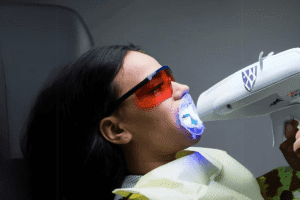
    Teeth Whitening: Is a popular cosmetic dental procedure that lightens discolored or stained teeth. Whether performed in-office or using at-home kits prescribed by the dentist, this treatment enhances the appearance of your smile.

    Dental Emergencies Dental consultation

    Types of Dental Appointments

    Understanding the various types of dental appointments is essential for comprehensive oral care. These appointments serve distinct purposes in maintaining and enhancing your oral health:

    Routine Checkups and Hygiene Treatments: Routine checkups are the cornerstone of preventive dental care. During these appointments, your dentist will conduct a thorough examination, clean your teeth, and address any emerging issues promptly. Regular hygiene treatments contribute to the prevention of common dental problems.

    Importance of Consultations for Complex Procedures: For more complex procedures like extensive restorations or cosmetic dentistry, consultations are pivotal. They provide the opportunity to discuss your goals, assess your oral health, and plan the best course of action. During these consultations, you’ll explore treatment options, understand the costs involved, and gain insights into what to expect from specific dental procedures.

    Topics Discussed in a Dental Consultation

    • Goals and Objectives of the Proposed Procedure
    • Dental Health Assessment, Including Past Dental History
    • Review of Medications and Other Health Conditions
    • Consideration of General Health and Lifestyle
    • Discussion of the Costs of Dental Treatments
    • Overview of What to Expect From Specific Dental Procedures

    How to Prepare for a Dental Consultation

    Compilation of Medication Details and Health Issues: Patient preparation is key to a productive consultation. Compile a list of medications and health issues to share with your dentist, facilitating a comprehensive assessment.

    Clear Communication About Lifestyle Factors: Be open about your lifestyle factors, including diet, habits, and daily routines. This information aids in tailoring recommendations that align with your individual needs.

    Preparation of Questions, Concerns, and Apprehensions: Prepare a list of questions, concerns, and apprehensions. Your dentist is there to address them, ensuring you leave the consultation with clarity and confidence.

    Bringing a Notebook for Recording Details: A notebook can be a valuable tool during a consultation. Use it to jot down details, instructions, and any additional information provided by your dentist.

    Importance of Proper Care for Major Restorative Procedures

    After major restorative procedures, proper care is essential for long-term success. Your dentist will provide post-treatment instructions to ensure optimal healing and maintenance.

    Newly restored teeth require special attention. Your dentist will guide you on protecting them, whether it’s avoiding certain foods or adopting specific oral care practices.

    Frequency of Dental Consultations

    The frequency of dental visits depends on individual needs and the recommendations of your dentist. However, the American Dental Association (ADA) suggests biannual visits for optimal oral health.

    In conclusion, dental consultations are not merely appointments; they are opportunities for collaborative care. They serve to address concerns, explore treatment options, and provide a roadmap for your oral health journey. It’s important to adults and children.

    Emphasizing the importance of regular dental appointments is paramount. It’s not just about fixing problems but preventing them, contributing to a lifetime of healthy smiles. While a dental consultation is valuable, seeking multiple opinions, especially for significant procedures, is a prudent approach. Your oral health is a priority, and diverse perspectives can enhance your decision-making process.

    Lastly, prioritize your dental health even if everything seems well. Regular checkups are not only for addressing issues but for maintaining and enhancing your oral well-being. If you are looking for a trusted dental care provider, consider Trust Dental Care. Our experienced team is dedicated to ensuring your oral health and providing personalized care for a lifetime of smiles.


    More reason if you have little childrens 

  • Teeth Names and Numbers: 7 Fascinating Facts You Didn’t Know

    Teeth Names and Numbers: 7 Fascinating Facts You Didn’t Know

    What are the teeth names and numbers?

    A set of adult teeth has teeth names and numbers based on their arch, class, type, and side. On the other hand, children have 20 primary teeth and start to grow their first actual teeth by the age of 6. Humans have two sets of teeth: primary or baby teeth and permanent or adult teeth. The collection of teeth that replaces primary teeth is called a succedaneous or permanent dentition dental numbering system. Understanding teeth names and numbers helps dentists and patients communicate effectively about oral health and treatments.

    It’s recommended that children see a dental professional as soon as they turn one year old. A dentist can better explain teeth names and numbers so you can identify them. See a dentist if your child does not start to get teeth within the year. The first visit will get your child familiar with the dentist. Healthy development is vital to appropriately developing the child’s nutrition and speech.

    Teaching them helps develop lifelong oral health habits that apply to adult teeth. For most parents, by the age of 7, the child will start to lose their baby teeth. They are making space for the child’s front teeth to come in. Dentists use teeth names and numbers to identify each tooth, simplifying diagnosis and treatment planning. For instance, the “right maxillary first molar” refers to the first molar in the upper right quadrant. These identifiers are invaluable for tracking dental health across a lifetime.

    The four classes of teeth include incisors, canines, premolars, and wisdom teeth.

    Teeth Names

    Why Are Teeth Names and Numbers Important?

    Teeth names and numbers provide a universal language for dental professionals. This standardized system ensures precision in diagnosis and treatment, reducing misunderstandings. For example, dentists often refer to the “six-year molar” to describe the first permanent molar that erupts around age six. Similarly, wisdom teeth, or third molars, are numbered 1, 16, 17, and 32 in the American Dental Association’s universal numbering system.

    Patients also benefit from understanding their teeth’ names and numbers. Knowing which tooth requires attention can foster better communication during dental appointments. For instance, if a dentist mentions issues with the “left mandibular second premolar,” the patient can pinpoint the tooth needing care.

    Teeth Names

    Each tooth serves a unique function

    Canine Teeth: Canine teeth, also called cuspids, sit on either side of the incisors. They work with the incisors to bite and tear food.

    Lateral Incisor: The four lateral incisors sit next to the middle incisors, two on each arch. These teeth have sharp edges that help tear food.

    Central Incisor: The middle incisors are the front teeth. Adults have four central incisors: two on the upper and two on the lower arches. These teeth have a chisel shape and cut food efficiently.

    Premolars: Premolars, or bicuspids, are the eight teeth next to the canines. These teeth are smaller than molars and have two cusps that crush and tear food.

    Molars: Molars are larger teeth with four cusps located at the back of the mouth, behind the premolars. Adults typically have 12 molars, six on the upper arch and six on the lower. Molars have broad, flat surfaces for chewing and grinding food.

    Wisdom Teeth: Wisdom teeth are the last molars adults develop. These teeth erupt during the teen years but can appear later. They are located in the upper and lower arches, with two on each side. Not all wisdom teeth need removal, but some may require extraction due to infection, overcrowding, or misalignment. Trust Dental Care can help plan for their removal if necessary.

    The position and name of each tooth in the mouth make it easier for dentists to identify them during treatment.

    Teeth Names

    Teeth Names and Teeth Numbers in Human Mouth

    Humans have 32 teeth, including the third molars, or wisdom teeth. Dentists assign each tooth a name based on its shape, position, and sometimes a specific number or letter to ensure precise dental care and avoid confusion. For example, “right mandibular second molar” indicates the second molar on the right side of the lower jaw.

    Teeth line up symmetrically in the mouth, and understanding their names and numbers benefits both patients and dentists. Dentists standardize tooth names in English, calling canines “canines” and premolars “bicuspids.”

    Dentists also use age-based terms for permanent molars. They call the upper first permanent molar the “six-year molar,” while the second is the “twelve-year molar.” Wisdom teeth, or third molars, emerge later in life.

    Teeth at the front—incisors, lateral incisors, and canines—are called anterior teeth, while premolars and molars at the back are called posterior teeth.

    *mandibular* refers to teeth in the lower jaw, while *maxillary* refers to those in the upper jaw.

    Diagram of Teeth Names and Numbers

    Humans have 32 teeth, including the third molars, or wisdom teeth. Dentists name each tooth based on its shape, position, and sometimes a specific number or letter to avoid confusion and ensure precise dental care. For instance, “right mandibular second molar” indicates the second molar on the right side of the lower jaw.

    Teeth are arranged symmetrically in the mouth, making their names and numbers useful for patients and dentists. Dentists typically standardize tooth names in English; for example, they refer to canines as canines and premolars as bicuspids.

    Dentists also use age-specific names for permanent molars. They call the upper first permanent molar the “six-year molar,” while the second is the “twelve-year molar.” Third molars, or wisdom teeth, emerge later in life.

    Teeth at the front of the mouth—incisors, lateral incisors, and canines—are anterior teeth, while premolars and molars at the back are posterior teeth.

    The term *mandibular* describes the teeth in the lower jaw, and *maxillary* refers to those in the upper jaw.

    Teeth Names and their functions

    Human teeth are named based on their functions, appearance, and specific roles. Teeth fall into four categories, each with a unique shape that supports a specific function.

    As omnivores, humans consume both plants and meat, requiring different types of teeth. Incisors, or cutting teeth, slice food into smaller pieces, helping to move it inward. Canines, also called eye teeth or cuspids, have sharp, pointed edges that help with chewing, grinding, piercing, and ripping food.

    Functional names help dentists simplify their work since each tooth’s role aligns with its shape and purpose.

    Fun fact: Teeth numbered 1, 16, 17, and 32 are wisdom teeth. This numbering system, sometimes called the American Dental System, originated in the United States, according to Wikipedia.

    There are different kinds of actual teeth

    Canines: Also called cuspids, canines are the pointed teeth next to the incisors. These teeth work with incisors to bite and tear food efficiently.

    Lateral Incisors: Each dental arch has two lateral incisors, one on each side, beside the central incisors. These teeth feature sharp edges designed for tearing food.

    Central Incisors: Adults in the front of the mouth have four central incisors—two on the top and two on the bottom. Shaped like chisels, they are ideal for cutting food.

    Premolars: Premolars, or bicuspids, are located next to the canines—two on each side of the mouth, with four on the top and four on the bottom. Slightly smaller than molars, they have two cusps for crushing and tearing food. The first premolars are closest to the incisors, while the second pre nearest to the molars.

    Molars: Molars are the large, flat-surfaced teeth at the back of the mouth, situated behind the premolars. Adults have 12 molars, with six on each arch (three on each side). Molars have broad surfaces for chewing and grinding food.

    Wisdom Teeth are the last four molars, located in the far back of the mouth—two on top and two on the bottom. They often emerge during the late teens but can appear later. Though not all wisdom teeth require removal, dentists may recommend extraction to prevent infection, crowding, or misalignment.

    How many teeth do humans have: names, functions, and development

    Incisors are the eight front teeth, with four on the top and four on the bottom. The two teeth in the center are called central incisors, while the ones on either side are known as lateral incisors. Their primary function is to bite into food. Babies typically grow their first incisors around six months of age. When these baby incisors fall out, usually between ages 6 and 8, the permanent incisors take their place.

    Canines are fast teeth placed outside the incisors. Adults and children have four canines, two on the top and two on the bottom, to tear their food. Canine’s primary appears when a kid is approximately 16 to 20 months old. The actual lower canines come in at around ten years old, and top canines erupt between 11 and 13 years old.

    Premolars, also knew as bicuspids can tear and chew food. They are somewhat flat with ridges on the peak, and there are four on each side—the premolars developed by approximately 10 to 11 years of age.

    Molars also grind and chew food, they work better to grind food than the premolars, and the job with the tongue to swallow food. These 12 teeth are placed in the mouth back, and they start to appear in kids at approximately 12 to 15 months old. Then the actual molars come in, first at approximately six years old, and the second molars rise in children between 11 and 12 years old.

    The 5th type of tooth is the 3rd molar also referred to as wisdom tooth. People grow 3rd molars at approximately age 18 or 25 if they grow them at all. Many people have them removed if they cause or pain in the mouth. In case you need a tooth extracted, consult a dentist. 

    Humans have 32 permanent teeth. the number 32 is limit for tooth human

    Teeth Names and Cosmetic Dentistry

    Understanding teeth names and numbers is also essential in cosmetic dentistry. Procedures like veneers, crowns, and dental implants are tailored to specific teeth, improving both function and aesthetics. For instance, a chipped incisor can be restored with a porcelain veneer, while a missing molar may require an implant to maintain proper alignment and chewing efficiency.

    Modern cosmetic dentistry offers solutions for various dental concerns, from minor imperfections to complete smile makeovers. At Trust Dental Care, we specialize in enhancing your smile while preserving the natural function of your teeth. Whether you’re interested in whitening, bonding, or orthodontics, our team is here to help.

    Make an Appointment

    It is paramount to keep your care of your teeth clean with fluoride toothpaste at least two times a day. It is especially vital to clean before you go to bed. The top way to brush is to move in small circles, go around until you have covered every side of every tooth. You should clean the space between teeth by flossing once a day. It removes plaque and food that get stuck between them.

    To maintain optimal health, you need to see your, dentist, every six months to prevent long-term diseases. We hope you learned about teeth numbers and teeth names.

    If you have any questions, contact us, or call us at (619) 860 6060, we are here to help you!

  • Did Freddie Mercury’s Teeth Really Help? 3 Shocking Facts!

    Did Freddie Mercury’s Teeth Really Help? 3 Shocking Facts!

    Freddie Mercury’s Teeth: He sing better with extra?

    Freddie Mercury’s teeth are perhaps one of the most prominent teeth in the whole history of music. The life of Farrokh Bulsara, better known as Freddie Mercury, began on the East African island of Zanzibar on September 5, 1946. But what happened with his teeth? Why, all of a sudden, has his teeth become a hot topic on social media and everywhere?

    We believe that thanks to “Bohemian Rhapsody,” a biopic about his life released in October 2018, everything about him became a trend. The movie is set in the 70s and tells a little about one of the most famous rock stars ever. Today, we will talk about one singular aspect of the lead singer of Queen.

    Freddie Mercury’s genetic dental condition left him with four extra teeth in his mouth. This condition gave him a unique appearance, and later, Freddie Mercury’s extra teeth became part of his trademark. These extra teeth were crowing the rest, pushing his front teeth forward.

    Freddie Mercury’s Teeth

    The truth is that this iconic performer had four extra teeth in the back of his mouth. The Freddie Mercury’s Teeth, from him was aware of his dental issues and could have them fixed if he wanted to because he could not afford a dental solution.  This dental condition is not uncommon, and today, orthodontic treatments like braces or aligners can quickly correct similar cases. However, in Freddie’s time, such treatments were less accessible. These dental features could have been a source of insecurity for someone in the public eye. Yet, Freddie Mercury’s Teeth became intrinsic to his image, showing how perceived imperfections can sometimes enhance individuality.

    Peter Freestone

    Peter Freestone, his assistant and a close friend, couldn’t help but notice that Freddie was embarrassing himself with this condition.

    “He always covered his teeth with his top lip or raised his hand to cover them,” Freestone said.

    People said Freddie even grew his iconic mustache instead of his prominent bite to attract attention. As mentioned, even when people might think that with all the fame and fortune that the Queen’s lead singer had in life, he could afford to fix his smile, there were different reasons for Freddie not to do it when he was still alive.

    Freddie Mercury's Teeth

    And how come Freddie never fixed his teeth?

    As we already established, Freddie Mercury’s teeth caused embarrassment to the lead singer of Queen. However, he was terrified of fixing his teeth because he firmly believed this would change his voice forever.

    He thought his singular and powerful voice would disappear if he pulled his teeth out. It wasn’t because of the money. He certainly had it; he just preferred not to take the risk of losing his voice. 

    You may wonder how a man who was bullied at school because of his teeth wouldn’t want to fix the problem as soon as possible when he had enough money. Well, he just loved his music more than his looks.

    Farrokh Bulsara was a baritone. A difficult vocal range to reach.

    He produced his tones from ventricular chords, also called fake vocal cords, a technique used by classical musicians. He had an uncommon voice. According to an Australian scientist, Mercury had incredible control over his voice, making her vocal strings vibrate faster than any other artist. It’s a fact that he had more teeth than any average lead singer. 

    Rami Malek challenge to portrait Freddie Mercury

    One of the biggest challenges of the Emmy-winning star of the TV drama, “Mr. Robot, wasn’t Freddie Mercury. For Rami Malek, the most challenging part of the role was practicing with the false set of teeth that was made to emulate Freddie Mercury’s overbite. He practiced with the prosthetic teeth one year before shooting “Bohemian Rhapsody.”

    Studied Freddie’s movements

    The actor studied the movements of Freddie, strutting the stage presence of the artist. Malek also learned how to emulate his posture and elegance, along with facial gestures. The facial part imitated Freddie Mercury’s extra teeth gesticulation and singing poses. Malek told The Wrap: “They started out being pretty difficult to deal with. We tried out all different sizes, and when they first went in, I felt very insecure, but immediately I compensated. Physically, I started to sit with more posture and elegance, and I thought, ‘Oh, he is so elegant!’.”

    Freddie Mercury's Teeth

    Did Freddie Mercury’s Teeth help him to sing better?

    Freddie Mercury’s teeth are responsible for his extraordinary magic voice, or that is what the lead singer thought. As it turns out, the singular voice of this remarkable singer has been studied because of course something was astonishing about it. However, scientists nor specialists have discovered a relationship between his overbite and his incredible voice.

    But, what if Freddie hadn’t had a fear of losing his voice and had fixed his teeth? Would he have lost his voice and prodigious talent? What would it have meant for Queen? We are going to dismiss those ideas and what-if scenarios because we simply aren’t going to get any answers, ever. The truth is that this fantastic performer is a legend and will remain alive forever in the music industry and our hearts, despite his extra teeth or his overbite.

    How Freddie Mercury’s Teeth inspire confidence in imperfection

    Freddie Mercury’s teeth remind us that imperfections can become part of our identity and even a source of strength. Mercury’s refusal to fix his teeth demonstrates his focus on his art rather than societal expectations of beauty.

    His story offers a powerful lesson for those who struggle with dental insecurities today: your smile is uniquely yours. While modern cosmetic dentistry provides tools to enhance smiles, embracing individuality remains equally important. Whether you modify your teeth or celebrate them as they are, you want to feel confident and comfortable in your skin.

    Cosmetic dentist: Transforming smiles without compromising identity

    If Freddie Mercury’s story resonates with you, consider exploring cosmetic dental treatments that align with your goals. From teeth whitening to orthodontics, these procedures can enhance your smile while preserving your individuality.

    So, If you have your Freddie Mercury’s Teeth we can help you, at Trust Dental Care, we specialize in personalized cosmetic dental care, ensuring your smile reflects your personality and aspirations. Whether you’re looking to address crowding, overbites, or discoloration, our expert team is here to help. Schedule a consultation today and discover how modern dentistry can transform your confidence.

    Your Smile, Your Story

    Are you ready to embrace your unique smile? Just as Freddie Mercury’s teeth became a defining feature of his legacy, your smile can tell your story. Whether you want to enhance your confidence or address specific concerns, modern cosmetic dentistry offers endless possibilities.

    Contact Trust Dental Care today to schedule your consultation. Let us help you achieve the smile you’ve always dreamed of while celebrating the individuality that makes you.

Let's Talk Now!