
TRUST DENTAL
@trustdentalcare

Author: Trust Dental Care

  • Pregnant Person: 5 Important Tips For Dental Treatment

    Pregnant Person: 5 Important Tips For Dental Treatment

    Can a Pregnant Person Have Dental Treatment? Exploring Safety and Considerations

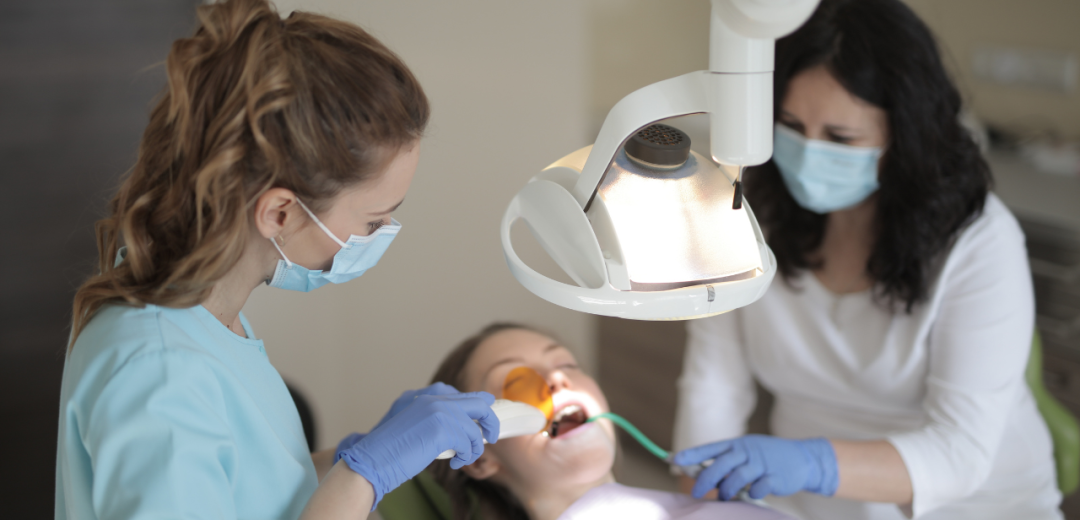
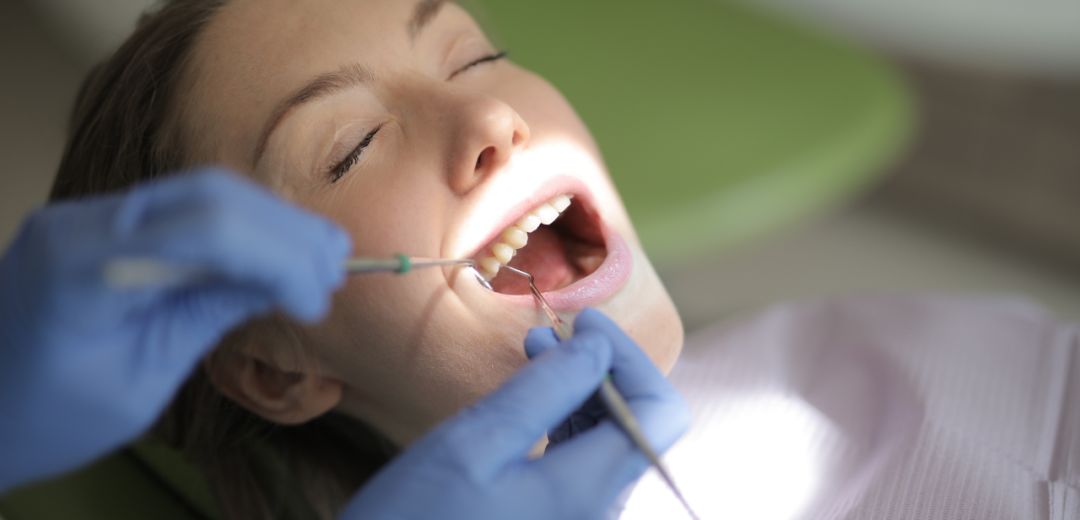
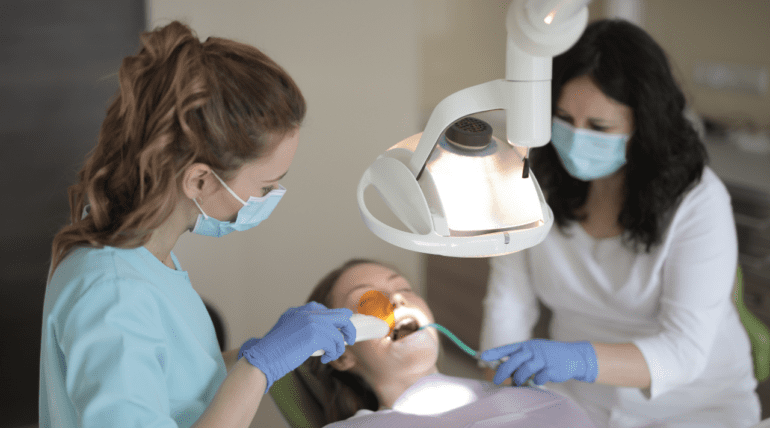
    Pregnancy is a transformative journey marked by numerous changes, and maintaining good oral health is essential during this time. As an expectant mother, you might wonder if it’s safe to undergo dental treatment while pregnant. This article delves into the intricacies of dental work during pregnancy, highlighting the precautions and recommendations to ensure both your oral health and your baby’s well-being.

    Understanding Dental Work To Pregnant Person

    Can Dental Work Be Done During Early Pregnancy? Exploring the Risks

    Dental work during early pregnancy requires careful consideration. While some dental procedures can be safely performed, assessing the potential risks is important. Factors determining whether dental work is advisable during this crucial period include the nature of the procedure, its necessity, and the stage of pregnancy.

    The Safest Trimester for Dental Work: Exploring the Second Trimester

    Among the three trimesters of pregnancy, the second trimester is generally considered the safest window for dental treatment. The reduced risk of potential complications and the stability of the pregnancy contribute to the safety of dental work during this period.

    Tooth Fillings During Pregnancy: Balancing Safety and Necessity

    Addressing dental issues like cavities is vital to overall health. Tooth fillings during pregnancy are generally considered safe, and the decision to undergo this treatment is often based on the urgency and necessity of the situation. Dentists consider the materials used and the extent of the cavity to ensure the well-being of both the mother and the baby.

    Exploring Dental Procedures To Pregnant Person

    What Dental Procedures Cannot Be Done During Pregnancy?

    While many dental procedures can be performed safely, elective treatments may be postponed until after pregnancy to minimize potential risks. Procedures involving anesthesia, extensive surgery, or medications that could affect the developing baby are typically deferred.

    Can You Get a Tooth Pulled During Pregnancy? Understanding the Risks

    The possibility of needing a tooth extraction while pregnant raises questions about potential risks. Factors such as the urgency of the extraction, the type of anesthesia required, and the impact on the mother’s comfort are considered when determining the appropriateness of the procedure.

    Handling Tooth Infections During Pregnancy: The Importance of Timely Treatment

    Untreated tooth infections can pose risks to both the mother and the baby. If an infection is suspected, seeking timely dental care is crucial. Infections can lead to inflammation and potential complications, highlighting the importance of addressing dental issues promptly.

    Can Tooth Decay Affect Pregnancy? Exploring the Connection

    The impact of oral health on pregnant person is a topic of interest. Research suggests that there may be links between poor oral health and an increased risk of certain pregnancy complications. Maintaining good oral hygiene and addressing tooth decay can promote a healthier pregnancy.
    pregnant person
  • Dental check-ups: 5 Proven Reasons Why are Important

    Dental check-ups: 5 Proven Reasons Why are Important

    Understanding Dental Check-Ups: Importance and Recommended Frequency

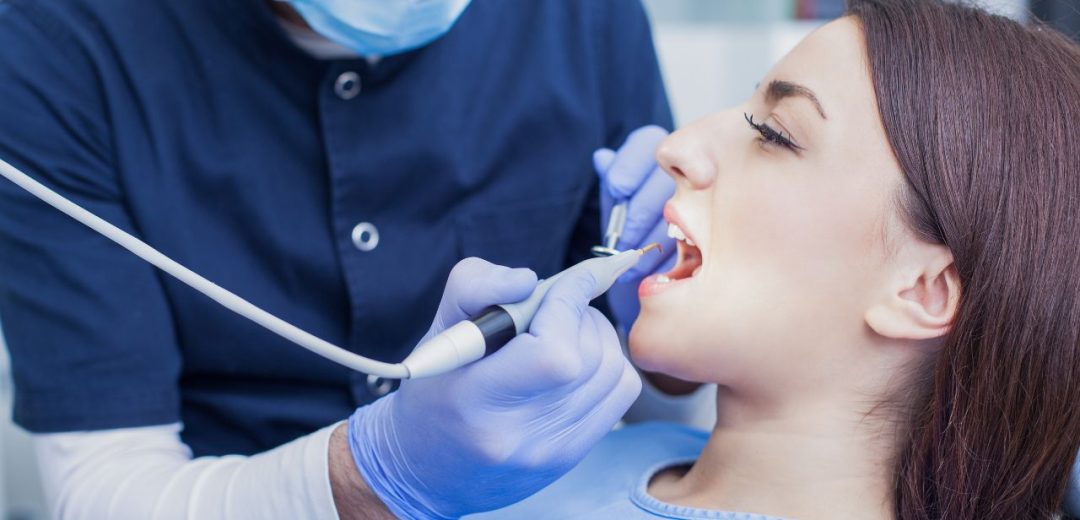
    Regular dental check-ups are crucial in maintaining optimal oral health and preventing potential dental issues. These routine appointments serve as preventive measures, allowing your dentist to identify and address problems in their early stages. In this comprehensive guide, we will delve into the purpose of dental check-ups, discuss the recommended frequency for different age groups, explore the benefits of consistent dental care, and emphasize the significance of oral health in your overall well-being. We always recommend visiting the dentist at least every 6 months for a check-up and dental cleaning.

    The Purpose of Dental Check-Ups:

    Dental check-ups encompass a range of essential aspects that contribute to your oral health:

    Early detection

    One primary purpose of dental checkups is to facilitate early detection of dental problems. Dentists are trained to identify issues like cavities, gum disease, and oral infections at their nascent stages. Catching these problems early makes treatment more manageable, less invasive, and cost-effective.

    Preventive care

    During dental check-ups, professionals thoroughly clean to remove plaque and tartar buildup. This preventive care not only prevents cavities but also helps maintain healthy gums. Regular cleaning and scaling reduce the risk of developing gum disease, a prevalent oral health concern.

    Oral cancer screnning

    Check-ups include oral cancer screenings, a vital component of preventive care. Early detection of oral herpes or cancer dramatically increases the chances of successful treatment and recovery. Dentists are trained to identify suspicious lesions and recommend further evaluation if needed.

    Diagnostic tools

    X-rays and other diagnostic tools are frequently employed during check-ups. These tools allow dentists to comprehensively view your oral health, identifying issues such as impacted teeth, bone loss, and jaw problems that may not be visible during a routine examination.

    Education and guidance

    Dental check-ups allow patients personalized education and guidance. Dentists can address questions, provide instructions on proper oral care techniques, and recommend suitable products.

    Recommended Frequency for Different Age Groups

    The recommended frequency of dental treatment check-ups varies based on age and individual oral health needs:

    Children

    Establishing a routine of dental check-ups from an early age is essential for children. Pediatric dentists recommend visits every six months to monitor oral development, address emerging issues, and guide oral hygiene practices.

    Adolescents and Adults

    A biannual schedule—every six months—is generally recommended for adolescents and adults with good oral health. This frequency allows dentists to monitor oral health closely, detect issues early, and perform preventive treatments.

    Seniors

    As we age, oral health needs may change. Seniors may require more frequent visits to address issues such as tooth sensitivity, dry mouth, and gum disease. Your dentist can tailor the frequency of check-ups to address specific concerns.

    dental check-ups
  • Bad breath solutions: 5 Tips and dental routine

    Bad breath solutions: 5 Tips and dental routine

    Does bad breath have a solution? Unveiling effective remedies

    Bad breath solutions? Bad breath or halitosis, can be exceptionally bothersome and embarrassing. It’s a common issue that can impact your confidence and interactions. The good news is that you don’t have to suffer silently – practical solutions are available. This article will examine what causes bad breath and explore simple yet effective ways to tackle it. We’ll also touch on how reputable dental practices in Mexico, such as Tijuana Dentist and Mexico Dentist, can assist with your oral health needs.

    6 Causes of Bad Breath

    Before we dive into solutions, let’s understand what leads to bad breath:

    • Neglecting Oral Hygiene: Not brushing and flossing regularly can lead to bacteria buildup that causes unpleasant odors.
    • Food Choices: Certain foods, like garlic and onions, can leave a lingering smell on your breath.
    • Tobacco Use: Smoking and using tobacco products can contribute to persistent bad breath.
    • Dry Mouth: When your mouth isn’t producing enough saliva, bacteria can flourish and cause bad breath.
    • Dental Problems: Gum disease, cavities, and infections can all contribute to less-than-fresh breath.
    • Health Conditions: Sometimes, bad breath may stem from underlying health issues like sinus infections or stomach problems.

    7 Effective Ways to Combat Bad Breath

    Rest assured, there are simple steps you can take to improve your breath:

    1. Brush and Floss: Regular brushing and flossing help remove odor-causing bacteria and food particles.
    2. Stay Hydrated: Drinking water throughout the day keeps your mouth moist and helps prevent dryness.
    3. Mind Your Diet: Opt for a balanced diet with plenty of fruits, veggies, and whole grains, and limit strong-smelling foods.
    4. Say No to Tobacco: Quitting smoking and tobacco products can positively impact your breath.
    5. Regular Dental Visits: Seeing your dentist for check-ups can help catch and address dental issues contributing to bad breath.
    6. Use Mouthwash: Antiseptic mouthwashes can help kill bacteria and refresh your mouth.
    7. Clean Your Tongue: Brushing or scraping your tongue helps remove bacteria that lead to bad breath.

    Seeking Quality Dental Care in Mexico

    For those seeking comprehensive solutions, reputable dental practices in Mexico offer a range of treatments, including Tijuana Dentistry and Mexico Dentistry. These practices are well-known for their expertise in dental care. With modern technology and skilled professionals, they can help improve your oral health and, consequently, your breath.

    bad breath solutions
  • Tooth sensitivity and why stop ignoring cold intolerance

    Understanding and addressing tooth sensitivity

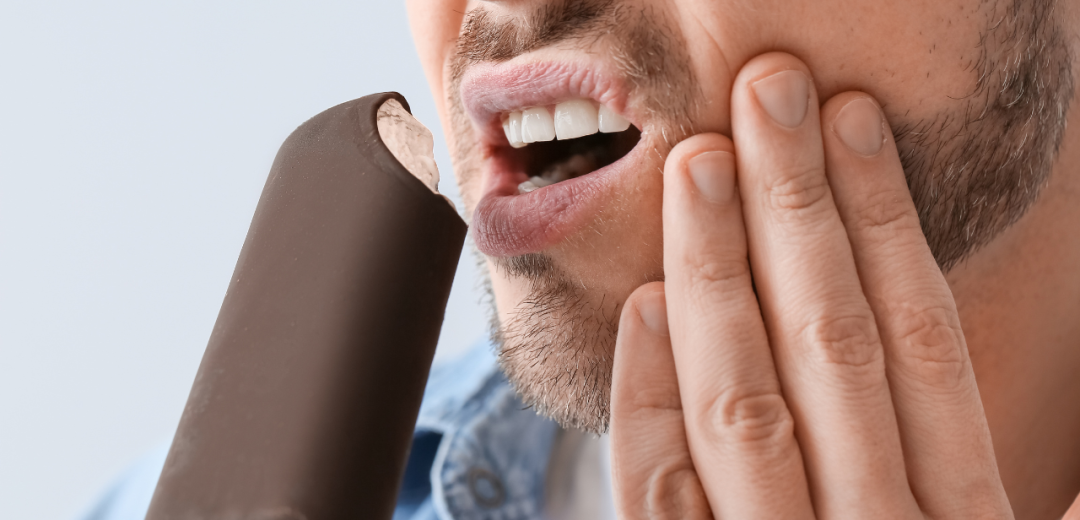
    Are you enjoying your morning coffee to experience a sudden discomfort in your teeth? If so, you may be dealing with tooth sensitivity. This comprehensive guide, presented by the experts at Trust Dental Care, delves into the world of tooth sensitivity, exploring its causes, symptoms, and practical solutions. Whether about sudden tooth sensitivity or seeking relief during pregnancy, we’ve got you covered. Don’t delay addressing tooth sensitivity—let’s explore why and how you can manage it.

    Unraveling the Mystery: What Causes Tooth Sensitivity?

    Tooth sensitivity can stem from various factors, including worn enamel, exposed tooth roots, dental issues like cavities or cracked teeth, and gum disease. But there’s more to it than that. Tooth sensitivity can also arise due to specific scenarios and circumstances. For instance, some individuals might experience tooth sensitivity months after dental filling. This discomfort can persist as the tooth adjusts to the new filling material.

    Additionally, pregnant individuals may notice heightened tooth sensitivity due to hormonal fluctuations during pregnancy. It’s crucial to understand that while these factors contribute to sensitivity, they are not causes in and of themselves. They exacerbate an underlying vulnerability in your teeth, making them react more strongly to triggers like hot, cold, or sweet stimuli.

    Navigating Specific Scenarios: Pregnancy, Dental Procedures, and More

    Tooth Sensitivity During Pregnancy

    Pregnancy is a time of change, and it’s not uncommon for hormonal fluctuations to lead to increased tooth sensitivity. The changes in hormone levels can impact the blood flow to your gums, making them more sensitive. This sensitivity might be more pronounced in response to specific triggers, such as temperature changes or acidic foods. If you’re experiencing this, professional guidance and good oral hygiene can help manage the discomfort. Ensuring you’re using toothpaste designed for sensitive teeth can be particularly beneficial during this period.

    Tooth Sensitivity Months After Filling

    A common concern is tooth sensitivity that arises months after getting a dental filling. This phenomenon can be perplexing, primarily if you associate the filling with relief from dental issues. The discomfort you’re feeling might be due to several factors. It’s possible that the filling hasn’t fully settled into place, leading to minor adjustments in your bite. Additionally, the dental pulp might be responding to the changes brought about by the filling. This sensation is usually transient and tends to improve as your tooth adapts. However, consulting your dentist is advisable if the sensitivity persists or worsens.

    Finding Relief: Strategies to Manage Tooth Sensitivity

    Tooth Sensitivity Relief

    If tooth sensitivity is bothering you, relief is possible. Consider using toothpaste formulated for sensitive teeth, which can gradually reduce discomfort by blocking triggers that cause pain. These toothpaste often contain compounds like potassium nitrate or strontium chloride, which help desensitize the nerves in your teeth. The application of fluoride can also aid in reducing sensitivity by strengthening the enamel. Fluoride treatments can be administered by your dentist or prescribed for at-home use with specialized trays. For more severe cases of sensitivity, dentists can employ dental bonding or sealants to shield exposed root surfaces, offering significant relief. These solutions, combined with gentle brushing techniques and maintaining a good oral hygiene routine, can make a notable difference in managing tooth sensitivity.

    Addressing Your Concerns: Tooth Sensitivity and Oral Health

    Why Is My Tooth Sensitive All of a Sudden?

    Sudden tooth sensitivity can catch you off guard. It might be due to recent dental procedures, enamel erosion from acidic foods, or even nighttime teeth grinding. Consulting a dentist can help identify the cause and provide solutions. For instance, if you’ve recently undergone dental work, such as a filling or crown placement, the tooth might be temporarily sensitive due to the procedure’s impact on the tooth’s nerve. Alternatively, consuming acidic foods and beverages or using abrasive toothpaste can contribute to enamel erosion, which exposes the dentin and leads to sensitivity.

    Can Tooth Sensitivity Go Away?

    The good news is that, in some cases, tooth sensitivity can improve or disappear. You might relieve discomfort with improved oral hygiene practices and the right treatments. However, it’s essential to remember that the outcome varies depending on the underlying cause of the sensitivity. For instance, if your sensitivity is due to gum recession, the exposure of the tooth’s root might make the discomfort more persistent. Consulting a dentist is crucial to determine the best approach for managing your specific situation.

    Should I Worry About Sensitive Teeth?

    Occasional tooth sensitivity can be expected, but persistent discomfort warrants attention. It’s a good idea to consult a dentist to rule out underlying issues and receive proper guidance. If left untreated, Ignoring persistent sensitivity could lead to more severe dental problems. Your dentist can thoroughly examine the root cause of your sensitivity and recommend suitable treatments.

    What Is the Difference Between a Toothache and Tooth Sensitivity?

    A toothache usually involves continuous or throbbing pain, while tooth sensitivity manifests as brief, sharp discomfort triggered by specific stimuli. Toothaches often indicate an underlying issue, such as a cavity or infection, whereas sensitivity is usually a response to external triggers, such as hot or cold temperatures.

    Embrace a Future Free from Sensitivity

    For more information on dental tourism and maintaining oral health, visit us here. Taking proactive steps toward addressing tooth sensitivity today can lead to a more comfortable and confident smile tomorrow. Remember, a healthy smile is a happy smile!

    tooth sensitivity
  • face shape veneers: A new you awaits

    Reshaping your face with dental veneers: a new you awaits

    Are you looking to enhance your facial appearance beyond a beautiful smile? Dental veneers can do just that by improving your teeth and transforming your face shape. This comprehensive guide will explore how dental veneers can change your face shape and rejuvenate your overall look.

    Understanding the Connection Between Teeth and Face Shape

    Before discussing how dental veneers can reshape your face, let’s establish the relationship between your dental structure and facial contours.

    Your dental foundation plays a significant role in supporting the structure of your face. Well-aligned teeth can contribute to a balanced and harmonious facial appearance. As we age, our facial shape naturally evolves, resulting in changes such as the loss of cheek volume, sagging skin, and alterations in jawline definition. Moreover, the alignment and condition of your teeth can substantially impact your face shape. Issues like crooked teeth, discolored teeth, chipped teeth, or worn-down teeth can disrupt your facial symmetry and overall appearance.

    The Face-Shaping Magic of Dental Veneers

    Now, let’s explore how dental veneers can be a game-changer in altering your face shape and transcending the boundaries of traditional cosmetic dentistry.

    Understanding the Role of Veneers

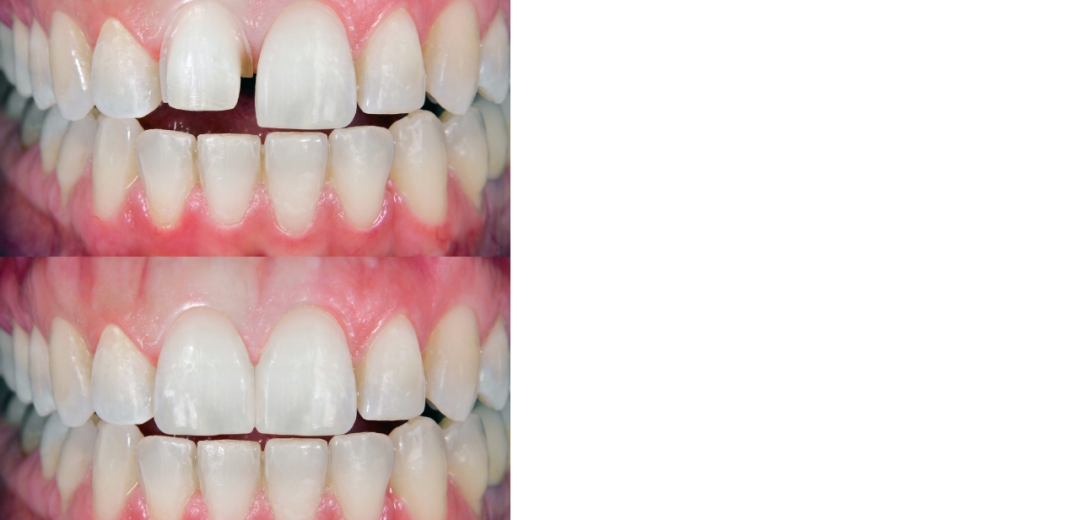
    Dental veneers are meticulously crafted in a dental laboratory to match the color and shape of your natural teeth. They are then expertly bonded to the front surfaces of your teeth, effectively hiding imperfections and creating a seamless appearance.

    How Veneers Transform

    Veneers can make your teeth appear longer, which can elongate your face, especially if you have a round or square face shape. They can also add definition to your jawline, contributing to a more angular appearance.

    Real-Life Transformations with Veneers

    Countless individuals have experienced a renewed sense of confidence and attractiveness after undergoing veneer procedures. Witnessing these real-life transformations is a testament to the remarkable impact veneers can have on face shape enhancement.

    Customizing Veneers for Your Unique Face Shape

    One of the remarkable aspects of dental veneers is their adaptability to enhance and complement various face shapes.

    Whether you have a heart-shaped face, a V triangle face, or any other facial structure, veneers can be customized to accentuate your natural beauty and balance your unique features. Your skilled cosmetic dentist can assess your facial symmetry, tooth color, shape, and overall aesthetic goals to create a personalized plan for veneer application.

    Choosing Veneers Based on Your Face Shape

    Selecting the correct type of veneers and ensuring they harmonize with your face shape is a collaborative effort between you and your dentist.

    face shape veneers

    Choosing Veneers Based on Your Face Shape

    • Oval Shape: Oval faces are often considered the most versatile, and veneers can further enhance their natural symmetry and proportions.
    • Round Shape: Veneers can give round-faced individuals the illusion of more defined cheekbones and a slimmer face, elevating their natural beauty.
    • Heart-Shaped Face: Veneers can help balance facial features for those with heart-shaped faces, ensuring that the narrower chin complements the wider forehead.
    • Square Shape: Square faces can benefit from veneers to soften sharp features, creating a more harmonious appearance.
    • V Triangle Shape: Veneers can be applied strategically to enhance the V triangle face shape by adding volume and balance.
    • Diamond Shape: Dental veneers can emphasize the cheekbones and create a more defined appearance for diamond-shaped faces.

    Consult a qualified cosmetic dentist who understands the intricacies of veneer application. Considering your unique dental issues and facial structure, they can guide you in choosing between materials like Emax ceramic veneers or natural veneers.

    The Limitations of Veneers

    While dental veneers offer incredible benefits, it’s essential to recognize their limitations and set realistic expectations.

    Veneers can significantly improve the appearance of your teeth, but they won’t address underlying dental health issues. If you have significant oral health concerns, these should be addressed separately. Furthermore, while veneers can enhance your smile and face shape, they won’t completely alter your natural features. They enhance what’s already there, making you the best version of yourself.

    Consider dental veneers’ transformative power in pursuing a more attractive and confident you. These versatile cosmetic wonders can do more than create a stunning smile; they can reshape your face and unlock a newfound radiance.

    Dental veneers can make it happen whether you desire a longer face shape, a more defined jawline, or an overall enhanced appearance. Your journey begins with a consultation with a skilled cosmetic dentist who can help you embrace the possibilities. Embrace the transformation, and let your inner beauty shine through the magic of dental veneers. Your path to the most beautiful you start with a smile and ends with a radiant, confident face that’s uniquely yours.

  • Mercury Amalgam Fillings: 5 Amazing Facts Need to Know

    Mercury Amalgam Fillings: 5 Amazing Facts Need to Know

    The Case for Removing Mercury Amalgam Fillings

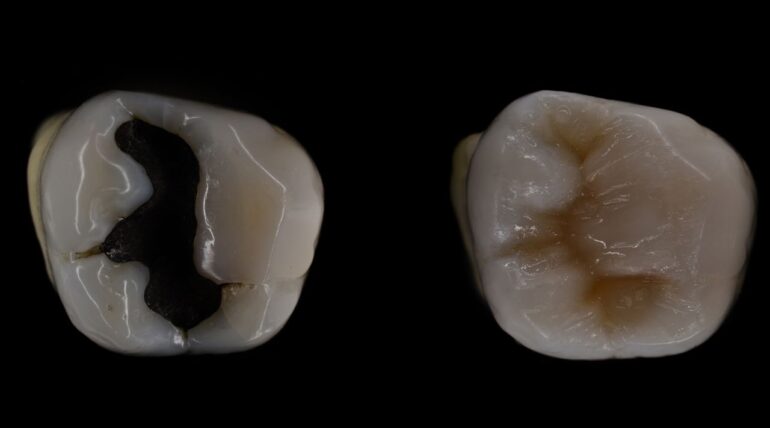
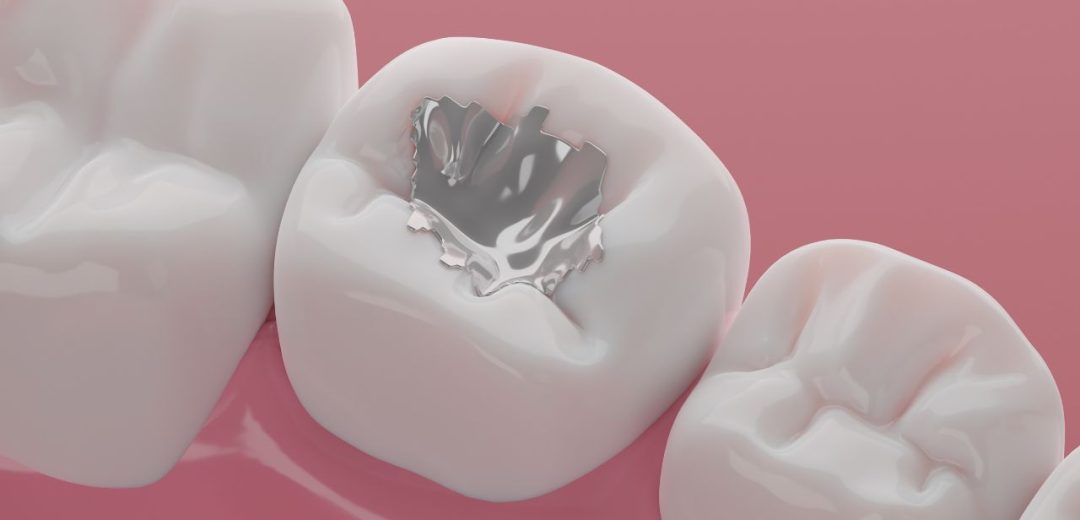
    Mercury amalgam fillings have been used in dentistry for over 150 years and are valued for their durability and affordability is a holistic dental treatment. However, with advancing research into mercury exposure’s health and environmental effects, the dental community and regulatory agencies have begun to emphasize the potential risks associated with these materials, particularly for high-risk populations. As a result, more patients are exploring mercury-free options and holistic alternatives to improve dental and overall health.

    Health, Environmental, and Holistic Perspectives

    At Trust Dental Care, located in Tijuana, patients can access comprehensive amalgam removal services that prioritize safety and affordability. Trust Dental Care focuses on holistic dentistry and combines state-of-the-art technology and biocompatible materials to provide practical, health-conscious alternatives to mercury fillings.

    Health Implications of Mercury Amalgam Fillings

    The taste buds, also known as papillae, are hundreds of bumps on the surface of our tongues. If you look at the mirror and really pay attention to your tongue, you’ll be able to see them. These tiny bumps are usually unnoticeable because they have a clear color and texture. However, sometimes they can look swollen. Although bumps on the back of the tongue may only be a temporary annoyance, they can make eating, talking, swallowing, and even tasting food an absolute nightmare. But they will likely heal on their own in most cases. Extreme, spreading, or long-lasting bumps, on the other hand, could indicate the presence of another underlying condition that requires you to get medical attention.

    Landmark Study

    A landmark study by Mutter and Yeter in 2020 reported significant correlations between mercury levels and chronic health conditions, emphasizing the risk of neurotoxicity associated with amalgam fillings (Mutter and Yeter 40). Similarly, the U.S. Food and Drug Administration (FDA) in 2020 recommended mercury-free alternatives for high-risk populations, recognizing that cumulative exposure to mercury from fillings can pose risks to vulnerable groups, particularly given the availability of safer, non-metal options.

    Environmental and Occupational Risks

    The taste buds, also known as papillae, are hundreds of bumps on the surface of our tongues. If you look at the mirror and really pay attention to your tongue, you’ll be able to see them. These tiny bumps are usually unnoticeable because they have a clear color and texture. However, sometimes they can look swollen. Although bumps on the back of the tongue may only be a temporary annoyance, they can make eating, talking, swallowing, and even tasting food an absolute nightmare. But they will likely heal on their own in most cases. Extreme, spreading, or long-lasting bumps, on the other hand, could indicate the presence of another underlying condition that requires you to get medical attention.

    Mercury

    Mercury exposure during amalgam placement and removal is also a concern for dental practitioners. Research on occupational exposure has shown that dental professionals, especially those who frequently work with amalgam, can exhibit elevated mercury levels (Štupar et al. 102). The study underscores the need for safer, mercury-free practices to protect patients and practitioners.

    Mercury Amalgam Fillings

    Holistic Dentistry: A Safe and Biocompatible Approach

    Holistic dentistry represents a modern, patient-centered approach to dental care that prioritizes biocompatibility and whole-body health. This philosophy avoids metal-based fillings and other materials that may interact negatively with the body’s systems, focusing instead on minimally invasive, natural solutions. In cases of amalgam removal, holistic dentists, including those at Trust Dental Care, follow strict safety protocols to reduce mercury exposure during the removal process. These precautions typically include high-volume evacuation systems, specialized masks, and barriers to prevent mercury vapor and particles from being inhaled.

    Patients today often choose holistic dentistry for the additional health benefits it offers. By addressing oral health within the broader context of overall wellness, holistic dental practices aim to support immune function, reduce inflammatory responses, and promote long-term health. Trust Dental Care’s holistic approach to amalgam removal includes biocompatible materials like composite resins and ceramics, which offer a safe, effective, and aesthetically pleasing alternative.

    Why Consider Mercury-Free Alternatives?

    The increasing availability and affordability of mercury-free fillings mean patients no longer rely on amalgam for durability. For instance, composite resins and porcelain options now provide a similar lifespan to mercury fillings without the associated health risks. In fact, according to a 2022 study by Kim et al., resin-based composites showed excellent durability and strength, making them a viable option for long-term dental restoration (Kim et al. 323).

    Moreover, as amalgam-free options become more widespread, the cost difference between amalgam and composite fillings has decreased, making mercury-free dentistry accessible to a broader range of patients. For those looking to prioritize their long-term health and reduce mercury exposure, clinics like Trust Dental Care provide affordable, high-quality alternatives to traditional amalgams, making dental care in Tijuana an attractive option for U.S. patients seeking safe, effective dental solutions.

    Conclusion

    The decision to remove mercury amalgam fillings can benefit both personal health and environmental well-being. Evidence increasingly points to the potential risks of mercury exposure, particularly for vulnerable populations, while mercury-free alternatives offer comparable durability and a safer profile. By embracing holistic dentistry and safe removal practices, clinics like Trust Dental Care provide a modern approach that supports patients’ overall health, creating an environment where dental care aligns with broader wellness goals.

    Moreover, as amalgam-free options become more widespread, the cost difference between amalgam and composite fillings has decreased, making mercury-free dentistry accessible to a broader range of patients. For those looking to prioritize their long-term health and reduce mercury exposure, clinics like Trust Dental Care provide affordable, high-quality alternatives to traditional amalgams, making dental care in Tijuana an attractive option for U.S. patients seeking safe, effective dental solutions.

    Well, after all this talk about mercury amalgam fillings, what you really need to know is that these silver fillings that have been in our mouths for decades have their pros and cons. On one hand, they’re super durable and cost-effective, making them a popular choice for filling those little holes in our teeth. But, of course, the mercury issue is what makes everyone a bit nervous. While many studies say there’s no solid evidence that mercury from fillings does harm, there’s always that little voice in the back of our heads that makes us doubt, right?


    If mercury worries you, the best thing to do is talk to your dentist about alternative options like composite fillings, which not only look better but also avoid using mercury. Plus, if you already have amalgam fillings in good condition, there’s no need to rip them out just because you’re afraid of mercury, as that might cause more problems than solutions.
     
    The main thing is to keep up with good dental hygiene and have regular check-ups to make sure everything’s okay. At the end of the day, the decision on what type of filling to use is personal and depends a lot on your health concerns, your budget, and what you and your dentist think is best for your smile.

    Works Cited

    • FDA. Recommendations for Certain High-Risk Groups Regarding Mercury-Containing Dental Amalgam. 2020.
    • Kim, H., et al. “Durability and Functionality of Resin-Based Composites Compared to Amalgam Fillings.” Journal of Dental Materials Research, vol. 15, no. 2, 2022, pp. 321-330.
    • Mutter, J., and Yeter, D. “Mercury from Dental Amalgam and Chronic Health Conditions.” Environmental Research, vol. 183, 2020, pp. 35-45.
    • Štupar, J., et al. “Occupational Exposure to Mercury in Dentists Working with Dental Amalgam.” Journal of Occupational Health, vol. 63, no. 5, 2021, pp. 100-110.
    • United Nations Environment Programme. Minamata Convention on Mercury. 2013.
  • Best Teeth Whitening: 3 Effective Options for Perfect Smile

    Best Teeth Whitening: 3 Effective Options for Perfect Smile

    Best Teeth Whitening Treatment: Effective Options

    Best teeth whitening: Imagine transforming your teeth from stained and dull to brilliantly white. Teeth whitening is the magic that can make it happen. At Tijuana Dentistry, we specialize in providing safe and effective teeth whitening treatments that give you the confidence to show off your beautiful smile to the world.

    Say Goodbye to Stains with Professional Laser Teeth Whitening

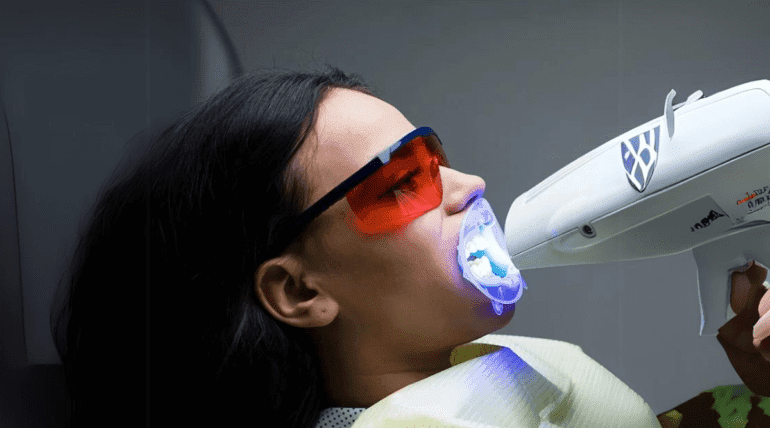
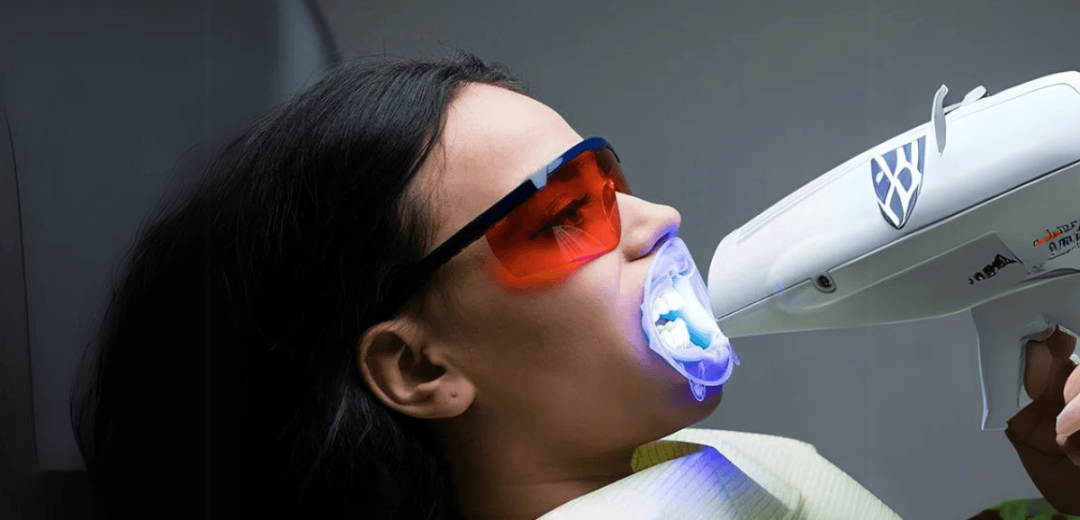
    Our laser teeth whitening treatment is the perfect choice if you’re looking for immediate and remarkable results. Our skilled dentists use advanced laser technology to gently remove stubborn stains and discolorations, revealing your teeth’s natural brightness. The best part? After just one session, you can enjoy several shades of whiter teeth, making it an ideal option for special occasions or events.

    Elevate Your Smile with Philips Zoom Best Teeth Whitening

    Suppose you’re ready to take your smile to the next level. In that case, our Philips Zoom teeth whitening treatment is here to deliver exceptional results. This in-office procedure combines cutting-edge technology with a potent whitening gel to achieve astonishingly white teeth quickly. Our experienced dentists will ensure your comfort and safety throughout the process, giving you a dazzling smile.

    Clean your toothbrush thoroughly after each use and store it upright to dry. If you’ve been sick, replace it to avoid reintroducing bacteria into your mouth. Regularly changing and caring for your toothbrush helps maintain your oral health.

    Preparation

    Your dentist will examine your teeth and gums to ensure they are healthy and suitable for whitening. They may take photos or impressions of your teeth to monitor the progress.

    Application of Protective Measures

    A barrier prevents contact with the whitening agent on your gums, lips, and other soft tissues.

    Application of Whitening Gel

    A high-concentration bleaching gel containing hydrogen or carbamide peroxide is applied to your teeth. Sometimes, a specialized light or laser may activate the gel and enhance the whitening process.

    Multiple Sessions

    Depending on the desired level of whitening and the severity of staining, the process may involve various gel applications and light activations.

    Immediate Results

    In-office whitening can provide noticeable results in just one session, and your dentist can adjust the treatment to achieve your desired level of whiteness.

    best teeth whitening

    Best teeth whiteing: Office vs Home

    Features

    In-Office Whitening

    At-Home Whitening

    Supervised Treatment

    Professional dentists oversee the entire process, ensuring safety and effective results.

    You control the process, following the guidelines provided for optimal use.

    Speedy Results

    Achieve noticeably whiter teeth in a single session, which is ideal for events or special occasions.

    Gradually brighten your teeth over time, integrating whitening into your daily oral care routine.

    Technology Advantage

    Utilizes advanced equipment and whitening solid agents for rapid, visible improvements.

    Employs specially formulated gels and products for gentle yet steady enhancement.

    Tailored Experience

    The treatment plan is customized to address your unique needs and concerns for an individualized approach.

    Adapt the treatment schedule to fit your preferences and lifestyle.

    Instant Gratification

    Immediate transformation is perfect for those seeking immediate, dramatic changes.

    It offers a patient and gradual journey, achieving a natural-looking brightness.

    Ideal for Special Events

    Great choice before weddings, parties, or photo shoots, providing an instant confidence boost.

    Suitable for maintaining your smile’s radiance over the long term.


    The In-Office Whitening Advantage

    In-Office Whitening is the clear winner for those seeking rapid and impactful results. Let’s explore why it’s the ultimate choice:

    Immediate Transformation

    With just one session of In-Office Whitening, you’ll notice a remarkable change in the color and brightness of your teeth. This makes it a top choice for special events, allowing you to showcase your radiant smile confidently.

    Professional Supervision

    Under the careful supervision of our experienced dentists, you can trust that the In-Office Whitening process is safe and effective. Our experts ensure your comfort and monitor the procedure to guarantee optimal results.

    Cutting-Edge Technology

    Our In-Office Whitening utilizes advanced technology and potent whitening agents to deliver fast, visible improvements. This method’s power ensures you achieve the stunning results you desire.

    Personalized Approach

    Your smile is unique, and so are your dental needs. With In-Office Whitening, our experts customize the treatment plan to address your specific concerns, giving you a tailored and individualized experience.

    A Beautiful Smile Within Reach

    At Tijuana Dentistry, we understand affordability is a concern for many seeking teeth whitening treatments. That’s why we offer budget-friendly options without compromising quality. Everyone deserves a beautiful smile, and we’re committed to making it accessible. 

    Your safety is our top priority. Our skilled professionals follow strict protocols to ensure your teeth whitening experience is safe and effective. We conduct thorough assessments to tailor the best treatment plan for you, ensuring you achieve the desired results without compromising your dental health.

    Ready for a transformative smile? Contact Trust Dental Care today to schedule your consultation and take the first step toward a bright, beautiful smile. Our expert team is here to guide you and help you choose the perfect treatment for your needs.

  • Dental Care Tips: 10 Tips For a Beautiful Smile

    Dental Care Tips: How I Can a Beautiful Smile?

    Dental care tips: We often need to pay more attention to the importance of dental care and give our teeth the attention they deserve. A less confident smile can directly impact self-assurance.  

    Oral health affects overall health, potentially contributing to conditions like diabetes, endocarditis, and cardiovascular disease.  

    Achieving healthy teeth is easier than you think. Here are practical tips to enhance the health and beauty of your smile.

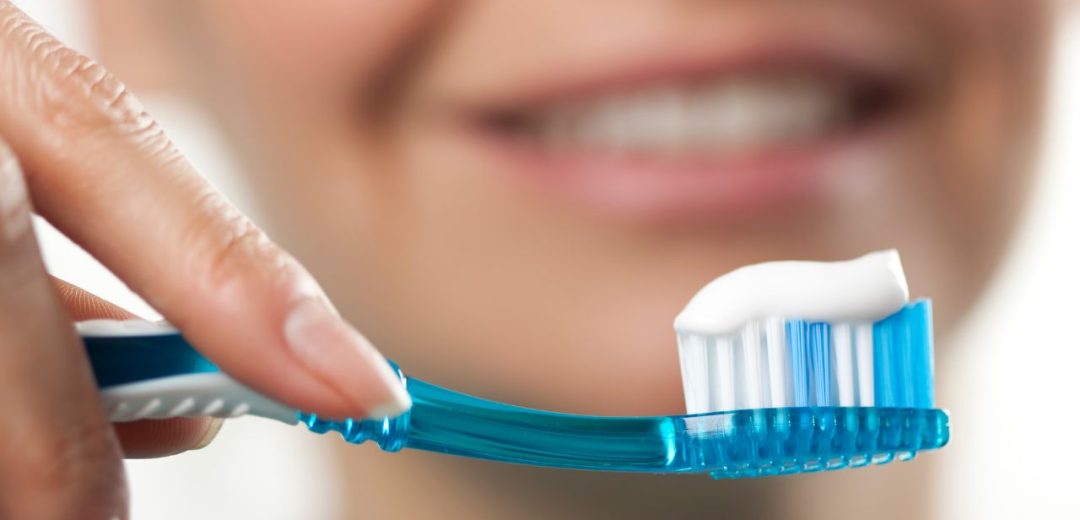
    1.- Brush your teeth for two minutes twice per day.

    Regular dental care starts with brushing twice daily for two minutes, following the 2×2 rule. Teaching children this habit early is essential and can be fun. Play music or use a timer to make brushing engaging, and ensure you brush for the full two minutes.  

    Focus on each quadrant of your mouth for 30 seconds (upper right, upper left, lower right, lower left) to clean every tooth effectively.  

    Use proper brushing techniques to clean your teeth thoroughly while protecting the soft tissue around them. This approach keeps plaque away and promotes healthy teeth and gums.

    2.- At the first sign of wear, replace your toothbrush.

    Proper dental care includes maintaining your toothbrush. Replace it every 3 to 6 months to ensure it effectively cleans your teeth. Worn or frayed toothbrushes can’t clean properly and may harm your gums.  

    Clean your toothbrush thoroughly after each use and store it upright to dry. If you’ve been sick, replace it to avoid reintroducing bacteria into your mouth. Regularly changing and caring for your toothbrush helps maintain your oral health.

    Dental care tips

    3.- Floss daily

    Another Dental care tips is flossing every night before brushing is recommended to eliminate whatever your toothbrush can’t remove. Although many patients admit to neglecting this step, maintaining a healthy lifestyle is essential. 

    Tiny particles of food and other deposits missed by your toothbrush can gradually grow into decay if you merely brush and decide you don’t need to floss. To avoid this, make flossing a part of your daily regimen for two minutes. 

    It’s normal for sensitive gums to hurt when you first start flossing. This is normal and will likely disappear after a few days of flossing. When flossing, move the floss up and down the entire tooth. Don’t overlook narrow gaps; they’re one of the most crucial locations to floss because your toothbrush won’t get to them.

    4.- Keep a healthy diet

    To protect your teeth, limit sweetened foods like soda, sports drinks, and candy. Instead, choose calcium-rich options that promote strong and healthy teeth.  

    Leafy greens, almonds, yogurt, and cheese help strengthen enamel and support oral health. For personalized advice, consult your dentist about meals that can keep your teeth healthy for years.

    Dental care tips

    5.- Use products for dental hygiene

    Brushing and flossing are essential for dental care, but you can also help maintain your teeth in good shape by using supplemental aids in your routine. 

    Mouthwash, oral irrigators, interdental cleaners, and tongue cleansers are examples of these goods. These tools can assist in maintaining good oral health and should be used in addition to (not in instead of) regular brushing and flossing.

    6.- Remain hydrated during the day

    Dental care tips: Adequate hydration benefits general health and dental care habits and aids in maintaining healthy saliva flow. 

    Saliva helps maintain dental health by transporting food particles through the mouth, preventing most of them from being lodged in the teeth, where bacteria can thrive. It also aids in maintaining a comfortable and moist mouth.

    Dental care tips

    7.- Dental care tips: Don’t make the mistake of smoking

    Smoking not only causes cosmetic issues like tooth stains but also leads to serious health problems, including gum disease, tooth loss, and oral cancer. Quitting smoking is one of the best steps for your dental health and overall well-being.

    8.- Think about dental sealants

    A dental sealant protects teeth from cavities and plaque by filling molars and premolars’ depressions and grooves (fissures). 

    Sealants benefit almost everyone, but children and teenagers are especially suitable candidates because they don’t brush as effectively as adults, resulting in a higher rate of cavities. Consider dental sealants for better dental care.

    9.- Cut down smoking

    Smoking causes both cosmetic and health concerns, such as tooth stains and severe health problems, such as gum (periodontal) disease, which can lead to tooth loss and oral cancer, to name a few. Quitting smoking is one of the most innovative changes for your dental care and general health.

    10.- Go to your dentist at least once every six months

    Regular dental visits allow your dentist to prevent problems or catch them early. These visits also provide professional cleanings twice a year, removing plaque and tartar, and helping maintain your teeth and gums. It’s not just for a cosmetic issue is also to diseases for example oral herpes or diabetic; a diabetic person have a different dental care, and that’s why it’s important to check with a dentist to know what is a dental care for this or other disease.

    Our dental team at Trust Dental Care is here to help you maintain your oral health by guiding you through the process and answering any questions or concerns. Try dental tourism in Mexico and have a new and improved dental experience.

    Dental care tips
  • Eco-Friendly Toothbrush: 5 Best Options for a Greener Smile

    Eco-Friendly Toothbrush: 5 Best Options for a Greener Smile

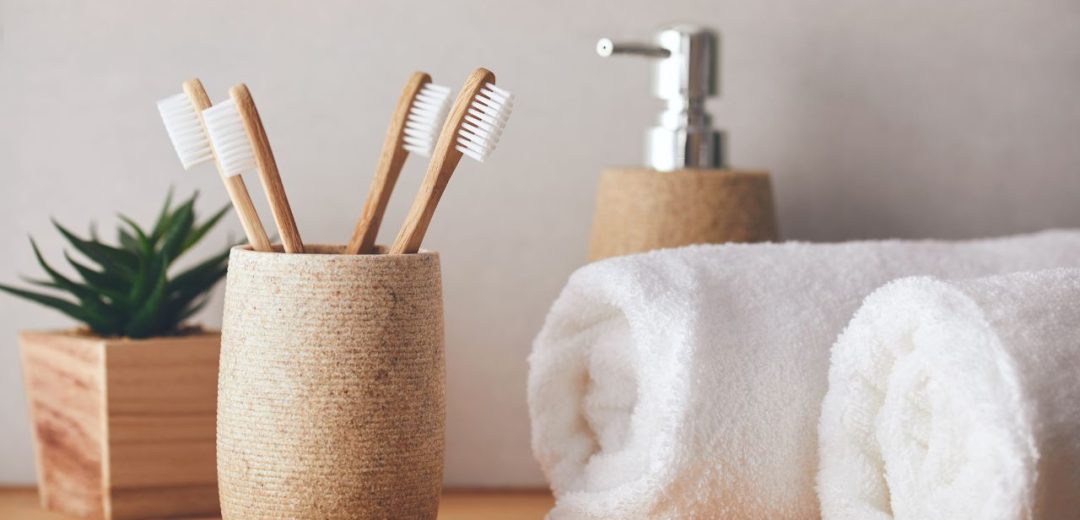
    Eco-friendly Toothbrush

    Eco-friendly toothbrush: we know we have limited time to make changes to save the world, and one of these changes is becoming Eco-friendly.

    Many people wonder, “What does eco-friendly mean?” It means protecting the environment and taking care of our planet responsibly. Remember, Earth is our only home, and we have no alternative. 

    As environmental concerns rise, people worldwide adopt sustainable habits. They avoid plastic bags, recycle, and choose eco-friendly utensils to reduce harm.

    What is Wrong With Plastic Toothbrushes?

    National Geographic reveals that over 448 million tons of plastic are produced annually.  

    The issue lies in its longevity—plastic doesn’t break down and is rarely recycled. Items like toothbrushes and straws are challenging, sometimes impossible, to recycle.  

    This raises an essential question: Are Bamboo toothbrushes a safer choice for our planet’s future?  

    What is a Bamboo Toothbrush?

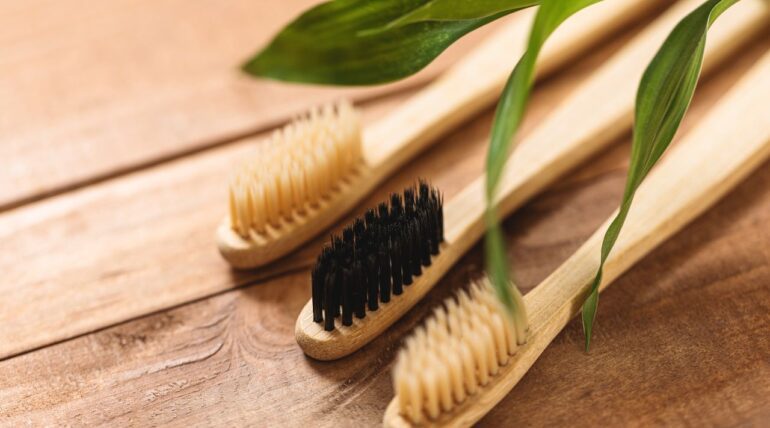
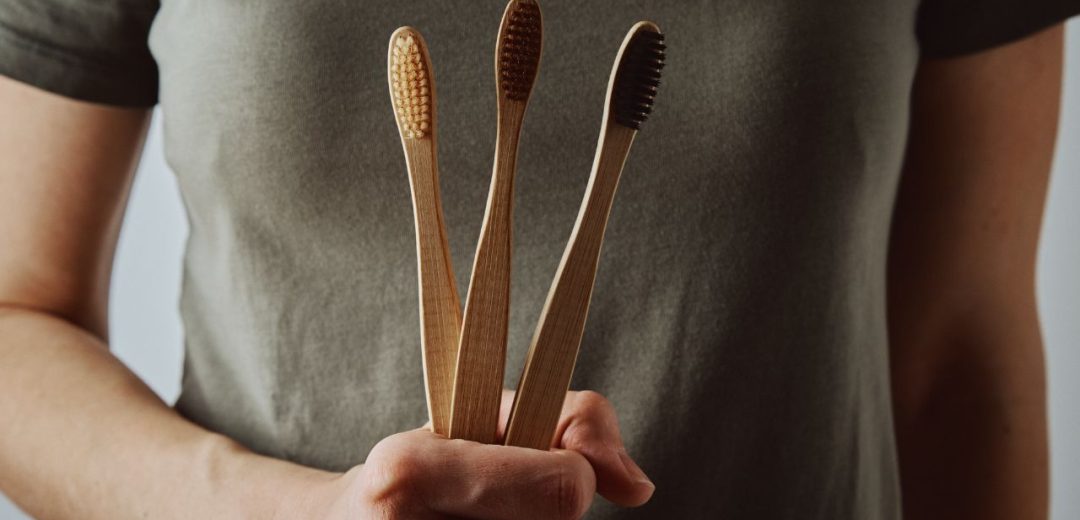
    Bamboo toothbrushes work just like regular ones from any store. They clean teeth, remove food bits, and fight plaque effectively.  

    The critical difference lies in the handle material. While plastic dominates traditional toothbrushes, bamboo offers a sustainable alternative.  

    Though Bamboo toothbrushes may seem like a modern eco-friendly trend, they are among the oldest types ever created.  

    When was it invented?

    China introduced bamboo toothbrushes in the 15th century, featuring bamboo handles and bristles made from boar hair.  

    Modern bamboo toothbrushes typically use nylon bristles, but options with boar hair are still available.  

    Some brushes even include activated charcoal-infused bristles to enhance teeth whitening.

    Ecofriendly toothbrush

    Is a Toothbrush Made out of Bamboo Eco-Friendly?

    Consider how bamboo stands out from wood and plastic if you want an eco-friendly option.  

    Bamboo proliferates and requires minimal care, thriving without pesticides or fertilizers.  

    Its ecological footprint is significantly smaller than that of plastic waste when used in raw form, such as toothbrush handles.  

    Bamboo is biodegradable, so the handles can be composted. However, since most bristles are nylon, you must remove them first.

    Fully Compostable = Animal-Based

    The only fully compostable toothbrushes are those made with boar hair and sustainably harvested bamboo. Boar hair typically comes from the Chinese meat industry, where it would otherwise be discarded, but using it for toothbrush bristles helps reduce waste.

    If you’re vegan, you can choose nylon-4 bristles. These bristles are made from petroleum-based plastic and are biodegradable under certain conditions. However, if you use nylon bristles, take them to a recycling center to ensure proper recycling.

    Creative Ways to Reuse Your Toothbrush

    After their lifespan, toothbrushes have many creative uses. You can turn them into plant markers or use them to clean your plants. They also make great brow brushes—just wet them and style your brows. For nail care, it help remove dirt deeply. 

    To pamper your pets, use the toothbrush to massage their head, wetting it slightly. They’ll love it!

    They are also excellent cleaning tools. You can use them to scrub between tile lines in the kitchen and bathroom, remove stains from clothes, and clean hard-to-reach spots in your oven and stove.

    How to use a Bamboo Toothbrush?

    You would use a bamboo toothbrush the same way you would a standard toothbrush. Consider the head’s size and the bristles’ material when choosing it.

    Ideally, you’ll choose one with soft bristles and a size that’s comfortable for you, your teeth, and your gums. The handle also needs to be comfortable to hold. A bamboo lifetime is the same as your regular toothbrush’s.

    What is the recommendation?

    The American Dental Association recommends changing your toothbrush every three to four months or once the bristles are visibly fried or damaged. 

    Swapping your old toothbrush for a new one will improve your oral health and keep your teeth as clean as possible.

    Ecofriendly toothbrush

    5 Best Bamboo and Eco-Friendly Toothbrushes

    Now that you have all the information about eco-friendly toothbrushes, we have the best-rated bamboo toothbrushes among customers if you are ready to make the change. 

    1.- The Humble Co. Brush

    This cute and sustainable bamboo toothbrush from The Humble Co is the perfect addition to your bathroom.

    It is made from a 100% biodegradable bamboo handle and BPA-free nylon bristles, making it eco-friendly.

    It comes in various fun colors, like neon yellow, blue, pink, and black. Expect medium firmness from this toothbrush.

    2.- Hello BPA Free Charcoal Bristle

    A combination makes this unique toothbrush of sustainability.

    Bamboo and activated charcoal help give your teeth a super-effective and, most importantly, sustainable clean every time.

    And can toothbrushes be considered chic? Because this one is.

    3.- Olas Bamboo

    This beautiful little toothbrush is 100% biodegradable and eco-friendly, BPA-free.

    And it’s great for anyone with sensitive teeth; the natural bristles are soft and smooth.

    4.- Isshah Biodegradable Eco-Friendly Natural Bamboo

    This bamboo toothbrush has over 1,000 5-star reviews on Amazon because the handles are super lightweight and eco-friendly, the bristles are fine and soft, and the value is quite unreal ($7 for a pack of four? Uh, yes, please).

    5.- Goodwell Co. Bamboo + Binchotan

    Bamboo toothbrushes don’t have to be boring or plain, and these cuties from Goodwell Co. are proof.

    The activated charcoal bristles look super cool against the colored bamboo handles.

    Do you have questions about it?

    If you have any questions or doubts about switching to an eco-friendly bamboo toothbrush, call or visit Trust Dental Care. 

    We are here to help and guide you in choosing your best teeth we also have a holistic dental treatments If you are interesting contact us now! 

  • Cotton Candy: 5 Fun Facts & How It Affects Your Teeth

    Cotton Candy: 5 Fun Facts & How It Affects Your Teeth

    Cotton Candy: A Sweet Bite Into Its Creation!

    Cotton candy is a great, fun-filled treat with a stunning past and cultural popularity. That continues to this day and will surely continue for years to come. It resembles the form and shape that cotton (the fluffy yet soft fiber that grows on plants) has.

    Everyone enjoys a sweet treat during the day or night. They rely on satisfying their craving for candy with a chocolate bar, gummies, etc.

    What Are Tongue Bumps?

    Everything today is created artificially, and that worries many people.

    It may offer the human body little to no nutritional value because of its negative nutritional value, high sugar content, etc.

    Many big names in the candy industry rely on using natural ingredients.

    But what candy can be considered safe, healthy, or beneficial?

    Who Created Cotton Candy?

    It may surprise you, but your local dentist has told you to avoid sugary beverages, treats, foods, etc.

    Dentists are great at keeping our shiny pearls sparkly clean.

    They offer tips for maintaining a healthy oral lifestyle and instructions on proper hygiene. 

    Overall, dental surgeons give us great advice about staying away from sugar. 

    Everyone knows sugar isn’t healthy when it is overflowing, especially for your teeth. 

    However, William Morrison, a dedicated dentist born in 1860 in Nashville, Tennessee, was a self-proclaimed inventor with numerous inventions. 

    Morrison was also a well-known lawyer, civic leader, and author of various books. 

    In his later years, he became president of TSDA (Tennessee State Dental Association). 

    Machine Cotton Candy

    In 1897, Morrison and confectioner John C. Wharton invented a machine to create cotton candy, initially called fairy floss.  

    Their electric machine melted and caramelized sugar, using pressurized air to push the sugary strands through a metal screen.  

    They debuted their invention in 1904 at the St. Louis World Fair, where it became an instant hit with candy lovers of all ages.  

    Thomas Patton and Josef Delarose Lascaux claimed to have created the cotton candy machine earlier during the event. However, this claim was later disproved.

    The Puffy Sugar Treat

    The sugar shack’s origins date back to the 19th century, though some argue it began as early as the 15th century.  

    Early forms of cotton candy appeared during this time, but they lacked the popularity of today’s fluffy treat.  

    Many countries have tried to claim the invention of cotton candy. In the late 19th century, Europe attempted but failed to perfect its presentation.  

    Other countries, including India, Australia, South Africa, New Zealand, Egypt, and Ireland, also staked claims but could not establish their version as the original. 

    America

    But America stands tall on this one. Small portions of distinctive food coloring and flavoring create this colorful cloud of goodness we dearly crave. 

    William Morrison appropriately called it Fairy Floss to justify being a dentist. People may know of dentists considering candy their arch-nemesis as a way of promoting oral health. 

    Cotton Candy

    But, who can resist the soft confections delight that is cotton candy?

    During the St. Louis fair, Morrison and Wharton named their creation fairy floss so the world would finally know that the clash between sugary sweets and dental surgeons could be put to rest.  

    They decided to offer each box for the minimal amount of 25 cents, which was a bit pricey back in the day, but the citizens were willing to pay. 

    Even though a single box of fairy floss was the exact price of a ticket for that same fair, surprisingly, they could sell 68,000 boxes in just one day. 

    First Cotton Candy

    Talk about a long day at the job. The very first cotton candy machines were truly unreliable, and faulty parts made them a living nightmare. 

    They would generally produce soft mixtures of the treat but make too much noise when creating it. Many broke down in initiating the machine, but the result was always worthwhile. 

    After trying repeatedly in 1949, Gold Medal Products was established in Cincinnati, Ohio.  First, it introduced a spring base conjunction machine that helped develop the modern-day machine. 

    Creating the Cloud

    The process of beginning the process of cotton candy starts in the machine. 

    Sugar is crafted, heated, and finally melted until it becomes a thick liquid resembling honey in form and shape. 

    For the creation of cotton candy, no other ingredient is not apparent. 

    The liquid moves into circular holes that give it form, and it is cooled to begin hardening the sugary substance into a cone. 

    Then, as Mother Nature, the liquid forms it back into a solid. 

    The machine manager then rubs a paper cone into the motor to collect millions of minuscule crystallized threads of sugary goodness.

    They decided to offer each box for the minimal amount of 25 cents, which was a bit pricey back in the day, but the citizens were willing to pay. 

    Even though a single box of fairy floss was the exact price of a ticket for that same fair, surprisingly, they could sell 68,000 boxes in just one day. 

    What was the size?

    Cotton candy foam can be customized to the customer’s desired size, from small clouds to massive puffs.  

    Pulled fresh from the machine, it’s ready to melt in your mouth, much like another famous treat—M&M’s, which “melts in your mouth, not your hand.”  

    But here’s the million-dollar question: How does cotton candy get its vibrant, natural-looking colors?  

    Sugar is white in its natural state. Food coloring gives the candy its iconic blue, soft pink, and other hues. These dyes enhance the candy’s visual appeal by creating its signature appearance.

    Dentist opinion: Cotton candy is good or not?

    Cotton candy consists mainly of sugar and air, making it a light, occasional treat that health specialists consider relatively acceptable.  

    While it satisfies sweet cravings alongside cakes, sodas, and gummies, cotton candy contains more sugar than most snacks.  

    Enjoy it in moderation, as too much of any treat can have negative effects. Stay mindful, eat wisely, and savor responsibly.

    Curious facts about this treat

    Making cotton candy is more straightforward than it seems. You can create it at home with essential tools like a tin can or aluminum foil. Heat sugar to 170 degrees, spin it through small holes and form sugary strands.

    A dentist invented the cotton candy machine, inspiring medical advancements like skin graft techniques. The design of the machine remains unchanged.

    Cotton candy consists of sugar and air, making it accessible of fat and cholesterol. In East Asia, it has evolved into an art form.

    Many consider it the “king” of sugary snacks, with Tootsie Roll leading its production. After its invention, Morrison sold 70,000 boxes in just a few weeks, cementing its popularity.

    Do you want to visit a carnival?

    The next time you visit a fair or carnival, take a minute from all the rides and exciting games.

    Take a look around for a fluffy, pillow-like treat!

    A few chomps of melting sugary goodness in your mouth.

    Cotton candy is all you require to finalize your festivities.

Let's Talk Now!