
TRUST DENTAL
@trustdentalcare

Author: Trust Dental Care

  • Jaw Clenching: 5 Shocking Facts Didn’t Know & How Stop

    Jaw Clenching: 5 Shocking Facts Didn’t Know & How Stop

    What You Should Didn’t About Jaw Clenching

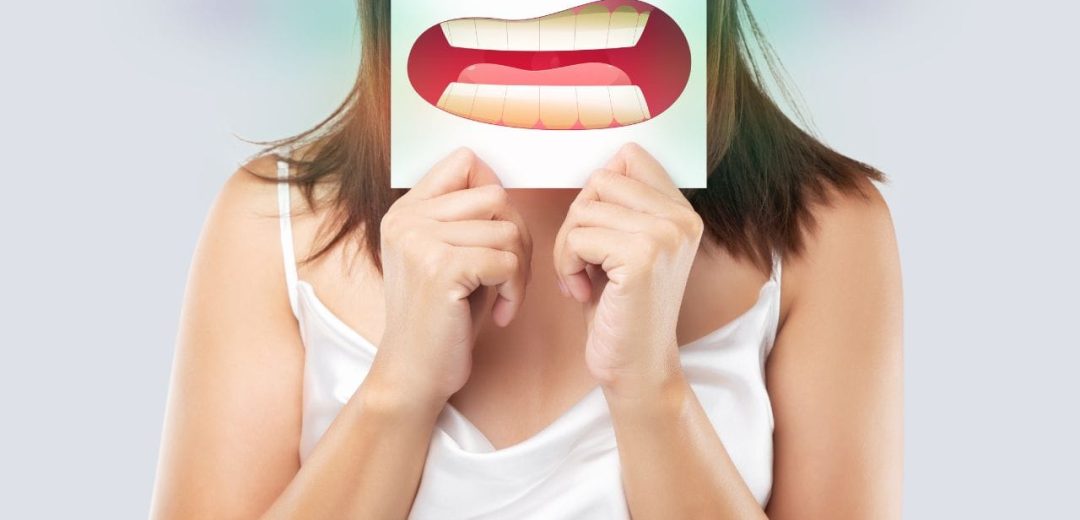
    Jaw clenching is an issue that most people don’t realize they have until they feel pain. You could be clenching your teeth while having an awful nightmare about avocado lattes, watching a suspense movie, or even thinking about tax season. You might be interested in knowing that if this condition goes unattended, it can be the reason for very annoying symptoms, like severe pain, struggle to swallow, open the mouth, and bad headaches. The pain manifests in different places, which depends on the person and the cause of their tight jaw. It may appear on one or both sides of the face, nose, mouth, jaw, or ears. And the pain can go from one to more levels of severity and intensity.

    So, what could be causing you to clench your teeth? Different factors can cause it, from anxiety to chronic conditions. That’s why it’s essential to identify the issue on time and get professional help.

    6 Common Symptoms of Jaw Clenching

    Some of the symptoms you should look out for are:

    • Discomfort in the neck
    • Jaw pain
    • Cracked teeth (or broken)
    • Headaches that concentrate on one side of the head
    • Tight jaw muscles
    • Tooth loss

    If you are experiencing any of these, consider visiting a dentist for a consultation.

    6 Causes of Jaw Clenching

    Often, the origin of this issue can be pretty unclear. But multiple identified causes can be the reason behind it:

    1. TMJ Disorders

    Your skull has a super important part that connects the jawbone to the skull. It’s crucial for everyday movements such as chewing your favorite food, speaking to your friends, or yawning when sleepy. When someone suffers from a TMJ disorder, this joint is affected and causes symptoms hard to ignore:

    • Struggle to chew food
    • Constant headaches
    • A popping sound when opening the jaw
    • Pain in the jaw, face, ear, or neck

    These disorders can manifest due to a physical injury, bruxism (teeth grinding), or inflammation from an infection.

    2. Anxiety and stress

    Stress and anxiety usually cause people to grind their teeth or jaw without even noticing it, turning it into a habit. Other stress indicators are clenching fists and feeling tension in the shoulders and neck muscles. If you feel constantly worried and restless and find yourself being easily irritated, those could be some signs that you’re under stress and/or anxiety.

    3. Osteoarthritis

    This chronic condition is the most common form of arthritis and affects many people worldwide. It could be due to aging, weight, injuries, or genetics, among other things. It deteriorates the connective tissues that keep the joint together.

    4. Rheumatoid arthritis (RA)

    It is an autoimmune disease that harms the joints. Symptoms can appear as stiffness when keeping the same position for a while or a general feeling of fatigue and discomfort.

    People who are more likely to be affected by this are those who are 60 years old or above, women, have specific genetic features, smoke, or are obese.

    5. Tetanus

    This infection is caused by a bacteria called Clostridium tetani. It causes severe muscle spasms, breathing difficulties, and muscle stiffness.

    The first symptoms are fever, headache, diarrhea, sore throat, and bloody stools. Tetanus is spread through a deep wound made with a contaminated object. If it’s not treated right away, it can be fatal.

    6. Teeth Grinding

    Teeth grinding, or bruxism is the grinding and clenching of teeth. Different factors cause this condition, which could be due to stress, anxiety, frustration, depression, or sleep disorders.

    Some of the symptoms of bruxism include headaches, a popping sound when moving the jaw, stiffness around the jaw muscles, fractured teeth, or pain.

    Treatment for Jaw Clenching

    Remember, the best way to deal with issues like this is to visit a professional for personalized advice, whether to a dentist to protect your teeth from the detrimental effects of jaw clenching or to a doctor for advanced care.

    You can start by visiting the dental office. There, they’ll guide you to the best way to continue. In addition, you can implement healthy habits to fight the symptoms and relieve the tension.

    This is an exercise you can start doing by yourself:

    • Closing your mouth without applying pressure, rest the tip of your tongue on the palate behind the upper front teeth. Y
    • Keep your teeth together and, as gently as possible, move the tip of your tongue as far back as it can.
    • Hold your tongue in this position and carefully open your mouth until you feel that your tongue is being pulled away. Do not open your mouth further; keep this position for five seconds. Once finished, close your mouth and relax.
    • Now that you know the process repeat it carefully using a mirror for five minutes.

    You might not get it right first, but it’s okay! Just try practicing it a few times until you can’t hear your joints’ clicking or popping noise. It’s recommended to do this exercise five minutes twice daily for the first week. So, try to keep that in mind and not overdo it. After the first week of practicing, try to do the exercise as often as possible. The ligaments around your jaw will benefit enormously from this as it will strengthen them and help the muscles relax.

    Visit us for further treatment and diagnosis. We are ready to see you at Trust Dental Care and offer you only the best dental attention to help you treat your jaw clenching.


  • Dental Trend You Shouldn’t Try: 5 Shocking Reasons Behind It

    Dental Trend You Shouldn’t Try: 5 Shocking Reasons Behind It

    Want to Try This Dental Trend? Here’s Why you Shouldn’t

    Dental trend: Squirrel teeth, a new TikTok fashion trend, promises to give you a more girly and youthful touch. It will take over the internet in 2022. In this article, we’ll explore this latest trend.

    TikTok is a super popular social media app where users enjoy various content. This makes it natural for people to stay updated on the latest trends and happenings. TikTok trends constantly evolve, and the squirrel teeth phenomenon will likely soon become another viral challenge.

    Ariana Grande, Kendall Jenner, Katie Holmes, and other celebs have all been spotted with squirrel-type teeth.

    The TikTok dental trend squirrel teeth craze will likely become a new trend in the coming days or weeks. This fun but demanding trend mainly targets young girls. Recently, people have been extending their incisors and giving them a distinctive look. Some dentists have expressed concern about the trend. While the materials used aren’t toxic, their shape may not be beneficial or practical for oral health.

    Getting squirrel teeth involves applying a significant amount of composite resin to your natural tooth to create the trademark shape. You can then add gems and piercings for a more glamorous touch.

    Dental trend: Squirrel Teeth

    Many people and articles discuss this particular look, but where did the trend originate? Who started it? And how likely is it that we’ll see people with squirrel teeth everywhere in 2022?

    Unlike other TikTok trends, like filing down your teeth yourself or whitening your smile with a sponge (yes, that’s a real thing), this one may not be as intentional.

    The look you see in this picture had a motive, and it was for a photo shoot at a clothing store. This was the work of the make-up and special effects artist Lisa Michalik. She has been doing this type of work for a while, and it’s known for having some unique and out-of-the-box concepts. She also has experience with teeth. She’s designed some interesting Grillz. Take a look:

    Unlike other TikTok trends like filing down your teeth by yourself or whitening your smile with a sponge (yes, that’s a thing), this one might not be so intentional.

    dental trend

    Will Squirrel Teeth Become a Trend?

    Although the viral pictures show little difference, the teeth featured are actually bunny teeth (a reference to the clothing store behind the photoshoot), not squirrel teeth. This unique style sparked so much interest that many believe it could become the next big cosmetic dental trend.

    However, the trend is already facing backlash. People don’t seem to be embracing it, and we can’t say we disagree. As an art form, it’s exciting, and the photos are fun and unique, but they should stay as an artistic expression. Despite the dislike for the extreme rabbit teeth look, a new aesthetic standard might be emerging.

    Many celebrities and people naturally have two front teeth that are a bit larger than the others. If people perceive this feature as beautiful and desirable, we might see more crown-lengthening procedures in 2022. There’s nothing wrong with dental trends if you speak with a professional first. Teeth are not hair or nails; they’re a vital part of your overall health, and you must give it the special care it need.

    Contact Trust Dental Care if you are curious about any other dental trends or want to know what procedure will help you achieve the desired results on your smile. Book your first appointment today and begin a safe, guided smile journey.

  • Mouth Ulcers: 5 Common Causes & Effective Treatments

    Mouth Ulcers: 5 Common Causes & Effective Treatments

    What Causes Mouth Ulcers and How to Treat Them

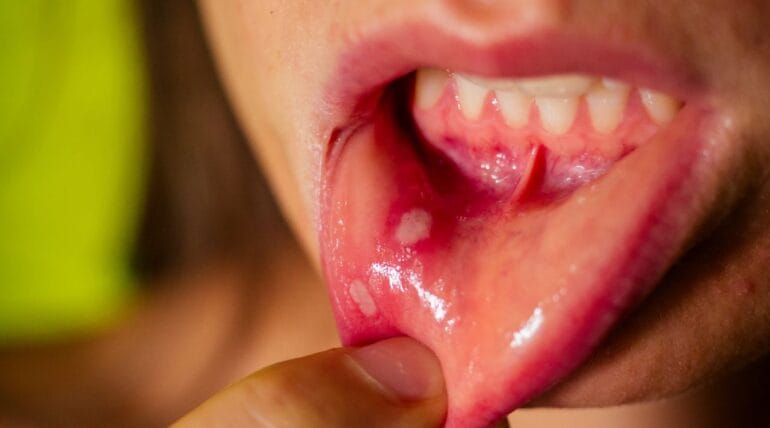
    What causes mouth ulcers? Mouth ulcers, also known as canker sores, are small and uncomfortable lesions in the mouth and gums that can make drinking, eating, chewing, and talking very painful.

    Although mouth ulcers aren’t contagious and usually disappear within one to two weeks, you must see your dentist. You must mention that every time you notice something different in your teeth and mouth, you should always visit your dentist for a regular check-up and a diagnosis to avoid complications later. Going to your dentist can help you prevent many dental problems that germs and bacteria can cause.

    Ulcers may appear on the tongue and the inner tissues of your mouth, such as the inner cheeks, lips, and throat. These wounds are usually gray, white, or yellow, with a red border surrendering them.

    What Causes Mouth Ulcers?

    What causes mouth ulcers? Some of our bad habits often cause mouth ulcers in our oral health. Here are some of the common factors that produce them:

    • Bites inside your mouth
    • Hard brushing your teeth
    • Continuous rubbing to sharp teeth
    • Continues rubbing to braces
    • Constant rubbing against misaligned teeth
    • Poor oral hygiene
    • Burns caused by eating hot food
    • In women, hormonal changes can be a factor, too
    • Emotional stress
    • Mouth bacterias
    • Toothpaste containing sodium lauryl sulfate

    Mouth ulcers are also related to several health conditions in which medical observation and treatment are required; these are:

    • Viral infections such as chickenpox and cold sore virus.
    • Deficiency of iron vitamin
    • Deficiency of vitamin B12
    • Chron’s disease
    • Weakness in the immune system due to HIV and AIDs
    • Coeliac disease
    • Oral cancer

    Types of Mouth Ulcers

    There are different types of mouth ulcers; there are three main types, which include the following:

    • Herpetiform ulceration (HU): Herpetiform ulcers are a subtype of aphthous ulcers. Their name is related to the sores associated with herpes, as they look alike. Unlike herpes, HU is not contagious. HU ulcers reappear very quickly, which may give the impression that the condition never gets better.
    • Minor ulcers: This type can range from about 2 mm to 8 mm across. These ulcers can take up to 2 weeks to recover and will only cause little or no pain.

    Major ulcers: These types of sores are bigger than minor ulcers. They are usually irregular, maybe raised, and penetrate deeper into the tissue than small ulcers. Major ulcers take longer to recover from and typically leave scar tissue when clear.

    Treatment for Mouth Ulcers

    Most of the time, mouth ulcers will disappear in one to two weeks, depending on the care you give to your mouth. These are some of the recommendations to help you in case you get a mouth ulcer:

    • A soft toothbrush will work for your teeth: this will help you to avoid irritations to the ulcer
    • Use a toothpaste that does not contain sodium lauryl sulfate
    • Get OTC: this will help you to prevent irritation to the ulcer
    • Avoid specific types of food, such as spicy, hot, or hard: doing this will improve your treatment and allow you to recover more quickly from mouth ulcers.
    • When drinking a cold beverage, try using a straw
    • Drink a lot of liquids
    • Keep your mouth as clean as possible. This will help keep the area clean, avoid more infections, and can also provide pain relief.
    • Rinse your mouth with salted water: this procedure will keep your mouth clean.

    Patients can follow tips or home remedies to recover from mouth ulcers. However, please consider that it is always very important to consult a professional, as mouth ulcers can develop from different causes.

    If patients continue getting ulcers frequently, it will be necessary to keep a record and visit a professional for a full analysis. Discarding them is another situation in which an alternative approach will be required.

    Mouth Ulcers vs. Herpes

    Mouth ulcers are little wounds that develop in your mouth. These lesions usually appear on the soft tissue and inner parts of the mouth, teeth, or the roof of the mouth.  

    They often appear because of a nutritional deficiency or a weak immune system. These wounds are not contagious and commonly go away on their own.

    Cold sores, sometimes known as oral herpes or fever blisters, are caused by the herpes virus. These are little sores that are observed on or around the lips. 

    Two strains of herpes can cause a cold sore: HSV1, which usually happens in the mouth. However, HSV2, commonly found on the genitals, can also cause cold sores. So, unlike ulcers, herpes is very contagious.

    Mouth Ulcers Prevention

    You can also do some things to prevent yourself from getting mouth ulcers. See below for some tips to reduce the risk of getting mouth ulcers:

    • Brush your teeth using a soft toothbrush; this way, irritation can be overcome.
    • Use toothpaste recommended by your dental hygienist.
    • Avoid food that causes you ulcers, like hot or spicy food
    • Reduce stress and anxiety 
    • Include vitamin B12 in your daily diet

    All considerations mentioned above can help you reduce the risk of mouth ulcers, which can later produce different oral health problems. Please do not take it as a common problem; remember that there are various reasons for getting them, some of which are due to adverse health conditions. Ensure you keep your mouth clean and follow the tips to avoid them.

    Remember, it is imperative to visit your dentist and establish a routine to avoid complications and provide proper care for your teeth. In the same way, you take care of your body, you should do the same with your mouth and teeth.

    Many health problems related to the mouth and teeth can be prevented if we get regular check-ups from our dental hygienist. The sooner a problem is detected, the less invasive and painless the treatment.

    If you have any questions, ask our dentists and specialists. If you feel or see something different in your mouth, do not wait for a long time; get an examination. Remember, you can contact our dental specialist, and we can get you the best treatment or help you solve any concerns. 

  • Mouth Breathing: 7 Powerful Tips to Stop & Prevent It

    Mouth Breathing: 7 Powerful Tips to Stop & Prevent It

    Mouth Breathing: How to Stop and Prevent

    Breathing is the most vital human body process because it allows us to get the oxygen we need to live. Despite this, a great majority of people are not doing it correctly. Your mouth and nose are the air passages to your lungs, and healthy people use both to breathe.  You may breathe via your mouth during severe exercise to assist oxygen reaches to your muscles faster. Still, mouth breathing regularly (especially while sleeping) can cause various health problems. So, what is mouth breathing, how is it diagnosed, and how is it treated?

    What Is a Mouth Breathing?

    Many doctors believe that humans are born with the ability to breathe through their noses. The abdomen softly extends and contracts with each expiration and inhalation during “regular” breathing.  Breathing is regular, silent, and, most crucially, through the nose, requiring little effort. This allows an individual’s nasal passages to moisten and warm the air they need to inhale. Some people, however, breathe primarily via their mouths, known as mouth breathing. It’s usually loud, moves faster than usual, is punctuated by sighs, and involves noticeable upper chest motions.  Some people breathe nearly entirely through their mouths, while others may have a medical condition (such as sleep apnea) that causes them to breathe mainly through their mouths at night. Mouth breathing is usually divided into three categories:

    Obstructive

    Adenoids (a patch of tissue high up in the throat, immediately behind the nose) or a badly deviated nasal septum are frequently connected with this (The nasal septum splits your two nostrils and separates the right and left airways of the nasal cavity).

    Habitual

    Overbreathing occurs when a person’s mouth is substantially larger than their two nostrils, straining the respiratory system.

    Anatomic

    A malformation in the airway channel and improper breathing can result in postural difficulties and sleep apnea.

    Bad Breath After Teeth Removal and Mouth Breathing

    Are You a Mouth Breather?

    It’s difficult to tell if you breathe via your mouth, especially if it happens at night. These are some of the signs that you may have developed a habit:

    • Snoring
    • Breath problems
    • Dry mouth
    • Hoarseness
    • Chronic fatigue
    • Sleep disorders
    • When you wake up, you feel exhausted and grumpy

    If this describes you, speak with your doctor. There isn’t a straightforward test to diagnose it, but your doctor can perform a series of tests to see if you’re breathing through your lips.

    Causes of Mouth Breathing

    Various circumstances can cause mouth breathing, but the most common cause is a closed (or partially or entirely blocked) nasal airway. Something is obstructing the smooth passage of air into the nose. If this occurs, our bodies will instantly turn to the other source of oxygen, which is our mouths. Anxiety and stress can induce people to breathe through their mouth rather than their nose when the sympathetic nervous system is activated, resulting in shallow, fast, and irregular breathing. Other diseases, such as sleep apnea, can cause you to breathe through your mouth while sleeping. When you have a sleep apnea episode, you stop breathing. This causes your brain to panic, which causes you to snore loudly while your body seeks air. These experiences may lead to a habit of mouth breathing to ensure that your body receives enough oxygen.

    How to Stop Mouth Breathing

    You can try these solutions to stop mouth breathing: 

    Practice

    Remember to breathe through your mouth. But it’s unlikely that your inability to breathe effectively is due to a lack of understanding about recommended respiratory procedures. Instead, your issue will most likely be putting the method into practice. However, the only way to succeed at anything is to practice.

    Clear Your Nose

    Even if it appears clear, many people breathe through their mouths because their noses are obstructed. Use a nasal wash or turmeric to clear any obstructions in your nasal passages.

    Reduction of Stress

    When you’re stressed, you rush to take a breath. As a result, you’re more prone to forget to take deep breaths with your nose in stressful situations. Stress reduction improves your breathing regardless of whether you need to consult a doctor or adjust your environment.

    Get Large Pillows

    If you have trouble stopping breathing through your mouth as you fall asleep, consider changing the height of your head concerning the rest of your body. Invest in a thicker-filled cushion for your head.

    Exercise

    Regularly exercising on a daily journey or run will enhance your demand for deep breaths, and your nose will naturally steal your breath away. Do you want to learn more about nasal breathing? For additional information, give us a call!

  • Teeth Whitening: 5 Truths About Pain & Results Revealed

    Teeth Whitening: 5 Truths About Pain & Results Revealed

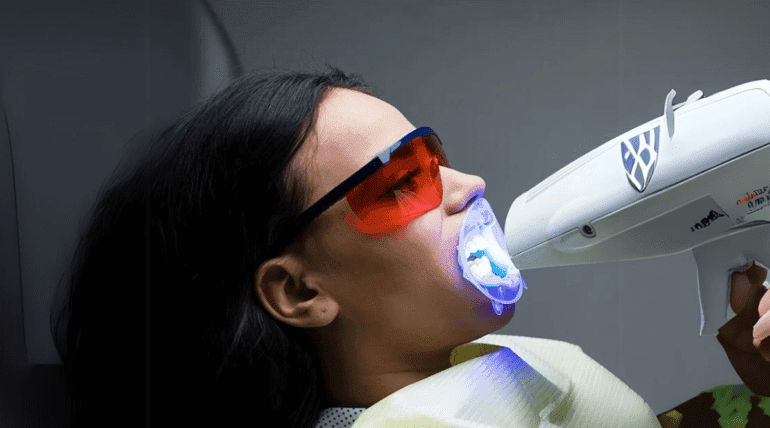
    Is Teeth Whitening Painful?

    One of the most common questions is whether teeth whitening is painful. The answer is reassuring: most patients experience little to no discomfort during or after the procedure. Is designed to enhance your smile without causing unnecessary pain. While some individuals may experience mild sensitivity, this temporary and manageable side effect subsides quickly.

    Understanding Sensitivity After Whitening

    It’s important to note that a slight increase in tooth sensitivity can occur after. This sensitivity is usually short-lived and occurs because the whitening process temporarily opens up the pores of the teeth, exposing the dentin layer beneath the enamel. This exposure can lead to temporary sensitivity when consuming hot, cold, sweet, or acidic foods and beverages.

    How Long Will My Teeth Hurt After Whitening?

    Post-whitening discomfort is typically short-lived and should subside within a day or two. If you do experience sensitivity, it’s a sign that the teeth are responding to the whitening treatment. This indicates that the process is working to reveal a brighter smile. To manage this sensitivity, there are a few steps you can take:

    • Use a Desensitizing Gel: Many whitening products include a desensitizing gel that can help alleviate sensitivity. Applying this gel as directed can provide quick relief.
    • Avoid Extreme Temperatures: During the initial days after whitening, it’s advisable to avoid very hot or cold foods and drinks that could trigger sensitivity.
    • Opt for a Sensitive Toothpaste: Consider using a toothpaste formulated for sensitive teeth. These toothpaste can help minimize discomfort and promote oral health.
    • Stay Hydrated: Drinking water can help keep your mouth hydrated, which may reduce sensitivity.

    Managing Discomfort While Eating After Teeth Whitening

    While many patients can resume their regular eating habits soon after whitening, some may prefer to consume softer foods for a day or two to avoid any potential discomfort. Opting for lukewarm or room-temperature foods can also help minimize sensitivity.

    Why Am I in So Much Pain After Teeth Whitening?

    Experiencing severe pain after teeth whitening is rare. If you do encounter significant discomfort, there might be a few factors at play:

    • Gum Sensitivity: If whitening products come into contact with sensitive gum tissue during application, it can lead to discomfort. Proper application techniques are crucial to preventing this issue.
    • Pre-existing Dental Issues: Individuals with pre-existing dental problems, such as cavities or gum disease, may experience heightened sensitivity or discomfort after whitening.

    Calming Your Teeth After: Tips and Tricks

    If you’re concerned about sensitivity, consider these strategies to soothe your teeth:

    • Rinse with Lukewarm Water: Gently rinse your mouth with lukewarm water to help alleviate any sensitivity.
    • Avoid Extreme Temperatures: Steer clear of hot or cold foods and drinks for 48 hours after whitening.
    • Use a Soft Toothbrush: Opt for a soft-bristle toothbrush to minimize potential irritation to the teeth and gums.

    Promoting a Comfortable Teeth Whitening Experience at Trust Dental Care

    At Trust Dental Care, we prioritize your comfort and satisfaction. Our experienced dental professionals utilize advanced techniques to ensure a comfortable and practical teeth whitening experience. Whether you’re considering Philips Zoom whitening or Smile Direct whitening, our team is here to guide you through the process and address any concerns. Say goodbye to worries about discomfort and hello to a pain-free teeth whitening journey with Trust Dental Care.

    In conclusion, teeth whitening is a safe and minimally uncomfortable procedure that promises a brighter, more radiant smile. While some individuals may experience brief sensitivity, it’s a positive indication that the whitening process is taking effect. Any discomfort is temporary and easily managed with the tips and tricks mentioned. Trust Dental Care is your partner in achieving a stunning smile without unnecessary pain. Contact us today to embark on your journey to a more confident and vibrant smile.

  • All-on-4 Dental Implants: 6 Amazing Benefits You Need to Know

    All-on-4 Dental Implants: 6 Amazing Benefits You Need to Know

    Discover The Incredible All On 4 Dental Implants

    A transformative solution has emerged in modern dentistry: All on 4 methods. This revolutionary approach offers hope and confidence to those seeking a reliable and permanent solution for tooth loss. In this comprehensive guide, we’ll delve into the key aspects of the All on 4 technique, its success rates, and how it has become one of the best alternatives for individuals looking to regain their radiant smiles.

    What Makes All-on-4 Stand Out

    The success rate of the All on 4 procedure stands as a testament to its effectiveness. Research indicates that this approach boasts an impressive success rate, often exceeding traditional implant methods. Utilizing only four implants per arch reduces the complexity and invasiveness, leading to quicker recovery times and enhanced patient comfort.

    Success Rates of All-on-4 Dental Implants

    The success rate of the All on 4 method revolves around its unique ability to provide stable and long-lasting results. Studies have shown that the success rate typically surpasses 95%, making it a remarkable choice for those seeking a permanent tooth replacement solution. This approach offers functional benefits and delivers a natural and captivating smile.

    Traditional Implants vs. All-on-4: Prepare to be Amazed by the Difference

    The all-on-4 technique presents distinct advantages over traditional implant methods. Traditional implants often require more per arch, necessitating additional surgical procedures and recovery time. On the contrary, the all-on-4 method optimally utilizes existing bone, reducing the need for bone grafts and expediting the entire treatment process.

    Understanding the All-on-4 Dental Implants Method

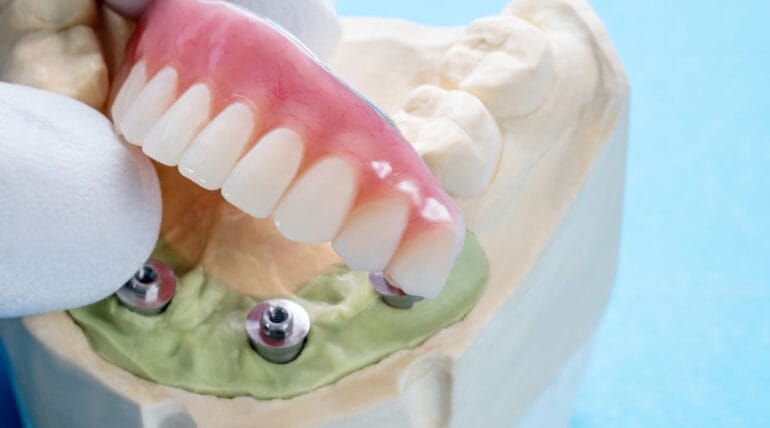
    The All-on-4 dental implant method is a cutting-edge procedure designed to address extensive tooth loss. It offers patients a full set of functional and aesthetically pleasing teeth with only four strategically positioned implants. This minimally invasive technique maximizes the use of available bone while providing exceptional support for the prosthetic dental arch.

    Exploring the Procedure: All-on-4 Surgery Unveiled

    Let’s take a closer look at what happens during the All-on-4 surgery. We’ll break it down into simple steps so you can understand the process:

    Step 1: Consultation

    First, you’ll discuss your smile goals with your dental professional. They’ll also evaluate your oral health and bone structure to plan the procedure effectively.

    Step 2: Advanced Imaging

    Advanced imaging technology, like X-rays and scans, helps the dentist create a detailed map of your mouth. This map guides the placement of the implants in the right positions.

    Step 3: Implant Placement

    During this step, the dentist carefully positions four implants in specific locations. These implants act as anchors for the replacement teeth.

    Step 4: New Teeth, New Confidence

    Your new teeth are designed and attached to the implants. This step is like putting the final pieces of a puzzle together. You’ll witness your smile transform!

    Step 5: Recovery and Aftercare

    After the procedure, you’ll be given a plan for healing and aftercare. It’s important to follow these instructions for a smooth recovery.

    Get Ready to Shine: The Magic of 4-on-1 Implants for Your Dream Smile.

    At the core of the All-on-4 method lies the concept of 4-on-1 implants, a strategy that replaces an entire arch of teeth with only four implants. This strategic placement distributes the pressure evenly across the implants, ensuring longevity and stability for the prosthetic teeth. Patients can revel in restored chewing capability, clear speech, and the confidence of an impeccable smile.

    Your Guide to the Best All-on-4 Dental Implants

    Ready to learn more about All-on-4 dental implants? Let’s explore how to choose the best option for you:

    Step 1: Research

    Start by understanding your options. Trust Dental Care is a Tijuana dental office committed to providing safe and effective solutions for your smile needs.

    Step 2: Consultation

    Contact Trust Dental Care for a consultation. They’ll help create a customized plan that’s simple, permanent, and tailored to your situation.

    Step 3: Experience the Process

    Visit the Tijuana dental office to witness the All-on-4 method in action. It’s a transformation that enhances your confidence and gives you a brighter smile.

    Step 4: Discover Excellence in Dentistry

    Trust Dental Care offers exceptional dentistry services in Tijuana. It’s worth exploring their expertise when it comes to your smile makeover.

    Step 5: Unveil Your New Smile

    Once the procedure is done, you’ll have a secure and effective solution with All-on-4 dental implants. Get ready to welcome your rejuvenated smile!

    Embarking on Your Transformation: All-on-4 Surgery Experience

    Your smile matters, and Trust Dental Care is here to guide you through the journey. Step into their Tijuana dental office and immerse yourself in lasting smiles and renewed self-assurance. With the remarkable benefits of All on 4, you’re embracing a promise of a brighter future. Contact Trust Dental Care today to begin your path toward a stunning smile that lasts.

  • All on 4: 7 Amazing Facts You Must Know Before Deciding

    All on 4: 7 Amazing Facts You Must Know Before Deciding

    All on 4 Dental Implants: What Should You Know

    Are you on the quest for a beautiful and functional smile? All on 4 dental implants have emerged as a promising solution, offering a transformative dental experience. However, every choice comes with considerations, and exploring the pros and cons is essential. In this in-depth exploration, we’re here to shed light on the lesser-known aspects of All-on-4 dental implants—focusing on the potential downsides you should be well-informed about. This comprehensive article gives you a holistic perspective, empowering you to make a confident and well-educated decision about your dental journey.

    Understanding All on 4 Dental Implants

    Imagine a solution that can revitalize your smile comprehensively. All on 4 dental implants have become a revolutionary technique for those seeking an all-encompassing teeth replacement. Placing four dental implants strategically within the jaw makes a complete set of prosthetic teeth anchored securely. While the numerous advantages of this procedure are well-documented, it’s equally vital to address the potential disadvantages that can shape your decision-making process.

    Potential Drawbacks of All-on-4 Dental Implants

    Surgical Complexity and Recovery

    Inserting four dental implants during a single procedure can introduce heightened surgical complexity compared to traditional implant methods. This complexity may lead to a slightly extended recovery and potential discomfort for certain patients.

    Bone Resorption and Implant Stability

    All-on-4 implants rely heavily on the existing bone for stability. Significant bone loss increases the risk of implant instability. The concentrated pressure on only four implants could also contribute to accelerated bone resorption over time.

    Limited Customization

    While All on 4 implants are celebrated for their cost-effective approach, this can sometimes mean limited customization options. This aspect may impact the aesthetics and overall satisfaction of individuals seeking a more personalized outcome.

    Potential Aesthetic Considerations

    The aesthetics of your smile matter, and with All-on-4 implants, the positioning of the implants, gum line, and prosthetic teeth may not align perfectly with your expectations. This could impact your confidence in showcasing your smile.

    Maintenance and Repairs

    While all-on-4 implants offer a comprehensive solution, addressing repairs and maintenance might be more intricate and costly due to their interdependence. In contrast, traditional single implants can be managed individually.

    Cost

    All on 4 implants can be a significant investment compared to other tooth replacement options. The initial expense includes the surgical procedure, implant placement, and restoration. However, many patients find that the long-term benefits and improved quality of life outweigh the upfront cost.

    The Surgery

    The surgical procedure for placing All-on-4 implants is more complex than traditional implant surgery. It requires careful planning, precise placement, and potential bone grafting or sinus lift procedures to ensure sufficient support. While technological advancements have made the procedure more predictable, it still requires skilled and experienced dental professionals.

    Maintenance

    All on 4 implants are easier to maintain than removable dentures, but they still require regular care. Proper oral hygiene, including cleaning under the fixed bridge, is essential to prevent infection or inflammation. Regular dental check-ups are also important to monitor the health of the implants and surrounding tissues.

    Temporary Teeth

    After the initial implant surgery, patients often receive temporary or provisional teeth while the implants heal and integrate with the bone. Transitioning from temporary to permanent teeth may involve adjustments and additional visits to the dentist.

    Bone Loss

    While All on 4 implants can help stimulate the jawbone and prevent further bone loss, there is still a potential for gradual bone resorption over time. Proper oral hygiene and regular dental visits can help mitigate this risk.

    Not Suitable for Everyone

    All on 4 implants may not be suitable for individuals with certain medical conditions, inadequate bone density, or anatomical limitations. A thorough evaluation by a qualified dental professional is essential to determine candidacy.

    Potential Complications

    As with any surgical procedure, risks and complications are associated with All-on-4 dental implants, such as infection, implant failure, nerve damage, or sinus issues. However, these risks are minimized with proper planning, skilled execution, and post-operative care.

    Guiding You Towards Informed Decisions

    • Thorough Consultation: Before embarking on the All-on-4 journey, it’s essential to have a comprehensive consultation with a skilled dental professional. This consultation will assess your oral health and bone structure and discuss potential risks and rewards.
    • Personalized Considerations: If personalization is a priority, exploring alternatives like traditional implants or dentures might be favorable.
    • Bone Augmentation: In cases of insufficient bone volume, bone augmentation procedures can enhance implant stability, reducing the likelihood of complications.
    • Regular Dental Check-ups: Irrespective of your implant choice, regular dental check-ups are pivotal for monitoring implant condition and health, allowing for early detection and prevention of potential issues.

    The journey toward All on 4 dental implants is undoubtedly exciting, but it’s essential to be well-informed about potential drawbacks. Every dental choice has its intricacies, and understanding its benefits and downsides is crucial. As you embark on this decision-making process, consider the surgical complexity, implant stability, customization limitations, aesthetic considerations, and maintenance challenges. Considering all these factors, you’ll be better equipped to have meaningful conversations with your dental professional and make a well-rounded choice that aligns with your oral health aspirations. Remember, a comprehensive understanding leads to a confident smile and a healthier, happier you. And if you’re exploring All on 4 dental implants, the compassionate team at Trust Dental Care is here to guide you toward making the best decision for your smile’s future.

    Affordable Solutions at Trust Dental Care

    Indeed, the cost of All on 4 implants can be a factor to consider. However, at Trust Dental Care, we’ve got you covered. Our reputation as the finest dental clinic in Tijuana underscores our commitment to providing top-notch dental solutions. With a team of highly skilled dentists and affordable pricing options, your journey to obtaining All on 4 implants can be seamless. We prioritize delivering quality services, personalized care, and a commitment to your well-being. With Trust Dental Care, you can achieve your All on 4 dreams without complications, knowing that you’re in the hands of professionals who value both your health and your smile. Let us guide you towards a future with a confident smile and optimal dental health.

  • All-on-4 Dental Implants: 4 Powerful Facts You Can’t Ignore

    All-on-4 Dental Implants: 4 Powerful Facts You Can’t Ignore

    All on 4 Dental Implants: How Many Teeth Are Involved

    Are you contemplating the life-changing potential of All-on-4 dental implants? As a comprehensive solution for those seeking to regain their smile, All-on-4 implants offer a remarkable alternative. However, the question often arises: how many teeth are involved in the All-on-4 procedure? In this informative guide, we’ll delve into the details, demystify the process, and provide insights into this revolutionary dental solution.

    Understanding All-on-4 Implants: A Complete Rehabilitation

    All-on-4 implants offer an innovative solution for replacing an entire set of teeth. This procedure helps those with extensive tooth loss or poor dental health. A standard denture used with All-on-4 implants contains 14 teeth. These teeth are strategically placed to restore both functionality and aesthetics.

    The Dental Makeover: Composition of an All-on-4 Denture

    An All-on-4 denture is meticulously designed to mimic the appearance and function of natural teeth. This includes:

    4 Incisors: The front teeth are crucial for cutting and biting into food.

    2 Canines: Positioned adjacent to the incisors, canines play a vital role in tearing food.

    4 Premolars: Positioned behind the canines, premolars assist in grinding and chewing.

    4 Molars: Found at the back of the mouth, molars are essential for thoroughly grinding food.

    Demystifying All-on-4: Beyond the Terminology

    The term “All-on-4,” also known as “All‐on‐Four” or “All‐in‐Four,” describes a specialized prosthodontic procedure. It restores oral health for edentulous patients or those with severely damaged teeth due to gum disease or decay. The procedure uses four dental implants placed in the anterior maxilla with higher bone density. These implants provide stability and support for 10 to 14 teeth. The fixed prosthesis can often be placed within 24 hours after surgery.

    Common Questions About All-on-4 Implants: Addressing Your Curiosities

    How Long Does It Take to Replace All Your Teeth?

    The All-on-4 procedure stands out not only for its effectiveness but also for its efficiency. Thanks to strategic implant placement, many patients experience significant smile improvements within a remarkably short time – often within a day.

    Do All-on-4 Implants Feel Like Real Teeth?

    Tooth replacement as All-on-4 implants replicate the appearance and feel of natural teeth. The secure anchorage from dental implants allows patients to eat, speak, and smile with confidence.

    Can I Have All My Teeth Removed and Replaced?

    Removing and replacing all teeth might seem daunting for individuals with severe dental issues. However, the All-on-4 procedure offers a transformative solution that restores your smile and enhances your overall quality of life.

    Comparing All-on-4 to Other Dental Solutions: Making an Informed Choice

    In your journey towards dental restoration, you may come across terms like “4 on 1 implants,” “full set of implants,” and “4 on 4 dental implants.” While these terms may sound similar, it’s essential to understand the nuances between them. Each solution offers benefits and considerations, so consult a qualified dental professional to determine the best fit for your unique needs.

    Promoting Healthy Smiles at Trust Dental Care

    At Trust Dental Care, we understand how important a confident smile is. Our dedicated team provides exceptional care and personalized solutions. Whether considering All-on-4 implants or exploring other dental options, we are here to guide you on your journey to a radiant smile.

    All-on-4 implants combine ingenuity, aesthetics, and practicality to provide a revolutionary dental solution. This procedure can replace an entire set of teeth using only four implants. It offers a new lease on life for those facing dental challenges. Each component of an All-on-4 denture, from incisors to molars, restores both beauty and functionality to your smile. Contact us today to explore All-on-4 implants. Start your smile transformation and redefine your confidence and well-being.

  • Oral Herpes: 5 Signs and Diseases You Must Prevent

    Oral Herpes: 5 Signs and Diseases You Must Prevent

    What Does Oral Herpes Look Like: Diseases You Need to Prevent

    Yes, all this is happening right now in your mouth. And like most urban areas, your mouth has What does oral herpes look like? Scientists have a fancy name for your mouth’s ecosystem; they call it the “human oral microbiome,” capable of developing oral herpes.

    Bacteria are a big part of the microbiome. A single mouth can be home to more than 6 billion bacteria, an impressive number compared to Earth’s 7.3 billion human population. Those billions of oral bacteria live in diverse communities, where they go about the business of life: being born, working, feeding, defecating, mating, and dying.

    Safe and scary neighborhoods. The bad guys are Streptococcus mutans, which feed on sugar and starchy carbs and then produce acids that erode your tooth enamel. Streptococcus mutans is the primary cause of tooth decay and other oral diseases.

    Porphyromonas gingivalis isn’t a regular resident of your mouth but shows up when you have gum disease (Periodontitis and Gingivitis) or oral herpes. Left to running amok, it will destroy gum tissue and the alveolar bone that supports your teeth. Friendly, helpful microbes and good bacteria (probiotics) can help your overall health and oral wellness. Other members of the 700 different strains of bacteria that potentially live in your mouth are neither helpful nor harmful – at least as far as we know.

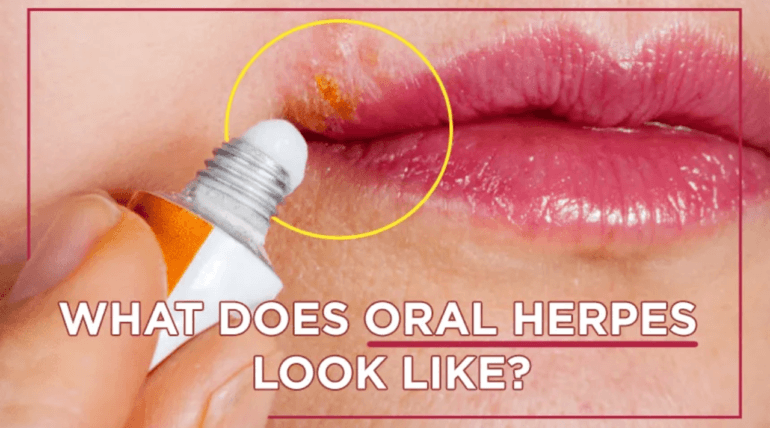
    What Does Oral Herpes Look Like?

    People may be surprised to learn that herpes virus infections of type 1 (HSV-1) and type 2 (HSV-2) are prevalent. 85% of people on this planet have been infected with at least one type of herpes. Oral herpes is an infection of the mouth, gums, or lips caused by the herpes simplex virus. This infection causes small, painful blisters, fever, or cold sores.

    Most patients with HSV are asymptomatic, meaning that they will not show or experience any symptoms. Others will notice lesions or sores that look like fluid blisters. Over a few days, these lesions ooze, break open, and form a crust before healing. People may also notice itching, tingling, or burning feeling a few days before the lesions appear. Some people may feel some flu-like symptoms, including fever and muscle aches.

    Some people may feel some flu-like symptoms, including fever and muscle aches. Someone who gets the infection commonly has their first lesions, sores, or an outbreak between 2 and 20 days later. These lesions may last up to a week or maybe ten days. An outbreak may include a single lesion or a cluster of sores. Wounds affect the skin around your mouth. The blisters can take between two and four weeks to heal. If you have more doubts and are still wondering what oral herpes looks like, send us a message, and we can help you.

    What Are The Most Common Mouth Diseases From Bacteria?

    The bacteria in your mouth (at least the bad ones) can cause viruses (like oral herpes or gum disease), tooth decay, gum disease, and other common infections in both kids and adults. Proper oral hygiene can prevent some of these infections.

    Dental Caries

    Dental caries is the primary result of tooth decay and one of the most common oral infections. According to Dr. Neal R. Chamberlain at A.T. Still University, it is caused by the bacteria Streptococcus mutans and is the leading cause of tooth loss in children under 12.

    Gingivitis

    Various bacteria cause gingivitis—the medical term for early gum disease—and when they settle in the gum’s crevices (at the gum line and below it), they produce toxins.

    The gums react to these toxins with inflammation and swelling, so they may bleed when you brush your teeth. Between 50 and 90 percent of adults have gingivitis, which, if left untreated, leads to periodontal disease. The American Academy of Periodontology (AAP) states that certain bacteria can cause pneumonia when breathed into the lungs.

    Periodontal Disease

    Gingivitis spreads below the gum line and affects the bone and supporting tissues, which can cause periodontal disease. Pockets form around the teeth, giving way to inflammation and bone loss, at which point these teeth can loosen due to this bone destruction.

    Eight to 10 percent of adults have periodontal disease, the most common cause of tooth loss. It can also make a chronic lung condition worse, even if it’s already present.

    Hand, Foot, and Mouth Disease

    The University of Chicago explains that toddlers and school-aged children are most likely to develop hand, foot, and mouth disease, and the virus “Coxsackie A16” is usually responsible. After one to two days of a sore throat and fever, slightly painful blisters can appear inside the cheeks and tongue and on the palms, soles, and buttocks. Fortunately, the infection often disappears within three days.

    Herpangina

    A disease related to the hand, foot, and mouth, herpangina most frequently infects children aged three to 10 during the summer and fall.

    Fever, sore throat, and difficulty swallowing are the first symptoms, followed by tiny blisters at the back of the mouth, forming large ulcers when they rupture. A herpangina infection usually lasts three to five days.

    Thrush

    An overgrowth of the naturally occurring “Candida albicans” fungus causes thrush. Medical treatments such as antibiotics, chemotherapy, and radiation can trigger an outbreak.

    White, curd-like plaques appear on the tongue, inner cheeks, palate, and back of the mouth. Thrush is the most common infection in people with HIV.

    Canker sores are lesions that form on the gums and other mouth tissues. Dentists call them aphthous ulcers. Most common in children and adolescents, what causes a isn’t entirely clear. But stress, hormones, immune problems, food hypersensitivities, and related infections are all possible triggers. Usually, the sores heal in 10 to 14 days.

    White, curd-like plaques appear on the tongue, inner cheeks, palate, and back of the mouth. Thrush is the most common infection in people with HIV.

    Oral Herpes

    The Herpes simplex virus causes oral herpes. According to the University of Rochester Medical Center, between 50 and 80 percent of adults in the U.S. carry the virus. You can prevent oral herpes with proper care. The first infection may cause flu-like symptoms, blisters, and ulcers on the gums and tongue, or you may experience no symptoms at all. Once the infection enters the body, the virus remains present permanently.

    With the right care, the infection can stay dormant. Recurring outbreaks are usually milder and last from a week to 10 days. Fluid-filled blisters typically appear around the mouth, rupture after a day or two, and form scabs that cause no further discomfort. Children with oral herpes may develop a fever, feel irritable, and tire quickly. After a few days, ulcers may appear around the mouth.

    Once the symptoms disappear, the virus stays in the body. Stress, trauma, sunlight, and cold can trigger flare-ups. Brushing twice daily with fluoride toothpaste and flossing once daily can help prevent tooth decay, gum disease, oral herpes, and periodontal disease. Your dentist or doctor can help treat other oral infections by following this routine.

    Thrush and Oral Infections

    White, curd-like plaques may appear on the tongue, inner cheeks, palate, and back of the mouth. Thrush is the most common oral infection in people with HIV. Regular oral care and consultation with healthcare professionals can help manage and treat various oral infections.

    What are teeth made of?

    Each tooth is comprised of the following:

    Enamel

    The tooth’s outer covering is your body’s most robust, complex, and highly mineralized substance. Enamel is the most visible part of teeth and is a semi-translucent material that ranges from light yellow to grayish-white. Enamel is a barrier that protects your teeth from the ravages of acids and plaque. Enamel contains no living cells and cannot regenerate itself, so it’s critical to preserve it. Proper oral hygiene—brushing, flossing, regular professional checkups, and cleanings—helps prevent enamel from eroding.

    Dentin

    This is a layer of living cells that lie underneath the enamel. Dentin is intended to protect the pulp of your teeth and has a direct hotline to the nerves of your teeth. When dentin is exposed due to loss of enamel, you experience that sharp, shooting pain associated with cavities or sensitive teeth. Dentin is also what primarily gives your teeth their color.

    Pulp

    The living center of your teeth is filled with blood vessels, connective tissue, and nerves. Pulp keeps your teeth nourished and moist. Without pulp, our teeth would resemble dried, bleached bones. Like the turkey wishbone, you leave it out for a few days following Thanksgiving to become brittle so you can quickly snap it while making a wish. Teeth are held in place by the Tegmentum, a layer of connective tissue that grips teeth to the gums and jawbone. The periodontal ligament helps hold the teeth to the jaw. You also have gums, upper and lower jaws, a tongue, salivary glands, and a uvula (the dangly ball bit at the back of your mouth). The health of all these structures is directly related to the health of your teeth. Your mouth is a holistic system; others suffer if one part is not well.

    Taking Care of Your Mouth

    Thankfully, teeth and your entire mouth can be kept healthy and happy with minimal effort. Sometimes, you have to work a little more complicated – pregnancy can cause dental issues, as can medical conditions such as diabetes. Ask your dentist for advice on managing your mouth. In general, though, dentists advise or schedule an appointment

    Eat Healthily

    Skip or limit your intake of simple carbohydrates (like foods made with white flour and sugar). The bacteria in your mouth love to snack on sweets and carbohydrates. Carb-fueled bacteria multiply super-fast and cling to each other, creating a “biofilm,” better known as plaque. Bacterial plaque is the primary cause of 90% of all dental diseases because bacteria secrete acidic waste products. This creates an acidic environment in your mouth that weakens teeth, which may lead to oral herpes but can lead to decay. 

    You’ll also want to limit acidic foods (citrus fruits, vinegary pickles, etc.) and beverages like soda, citrus juices, energy, sports drinks, and wine. Sugar-laden acidic drinks such as citrus juice and sodas can cause double the dental damage, so be especially vigilant about how often you indulge in them. Try to rinse your mouth with water after drinking highly acidic liquids. Acidic foods and drinks can cause dental erosion, softening the enamel on your teeth, which can progress to the dentin and cause decay. Hold off brushing for about an hour after eating acidic foods to avoid damaging enamel.

    Clean Thoroughly But Gently Twice a Day

    Here’s a little more info about your dental enamel – it comprises tiny, tightly packed rods of minerals. You have about 5 million rods in the lower lateral incisor and up to 12 million in the upper first molar. Brushing your teeth with a side-to-side motion goes against the orientation of the enamel rods in your teeth. It can cause the rods to weaken and break. Instead, position your toothbrush bristles at a 45-degree angle to the surface of the teeth and brush gently in small circles.

    Dental hygienists advise brushing for three minutes with a soft brush. Replace the brush every three months—or sooner if the bristles are worn, bent, or frayed. Also, replace your toothbrush if you’ve recovered from a cold, the flu, or another ailment. Germs lurk in your brush’s bristles; they can harbor germs that help develop oral herpes.

    You may want to talk to your dentist or dental hygienist about electronic toothbrushes or the newer brushes that use ultrasound to destroy harmful bacteria and debris. Flossing has recently come under fire – there’s no scientific proof of its effectiveness. But that doesn’t necessarily mean that it is ineffective – it just indicates that no one has spent the money and time necessary to conduct an in-depth study on flossing. The logic suggests flossing is a very effective way to remove food debris between the teeth.

    Stay hydrated

    A dry mouth also puts teeth at increased risk for erosion, as healthy saliva flow helps protect teeth from exposure to acid. Drink water, and if you’re still feeling parched, try rinsing your mouth with a product designed for dry mouth care and chewing sugarless gum.

    See Your Dentist and Hygienist Regularly

    No matter how careful you are with home care, regular exams and professional teeth cleanings are critical.

    Checkups involve more than a quick peep at your teeth. Your dentist will screen you for oral cancer, tooth decay, oral herpes, and gum disease. Caught early, these conditions are far easier to manage. Even people super-dedicated to good oral hygiene will inevitably miss a bit of plaque here and there.

    Removing tartar is not something that you can do at home. Your dental care team is the absolute best source of information on oral hygiene practices. You are addressing your oral health concerns. Don’t wait until a problem arises to check in with your dentist!

    Suppose you’ve skipped regular checkups and cleanings due to budget concerns and no dental insurance. Consider getting a dental savings plan. These plans are an affordable alternative to dental insurance. They are providing plan members with discounts of 10%-60% on the majority of dental services. Find out more about what oral herpes looks like here. 

    If you want to know more information about oral herpes, go to next post and learn more about dental care

  • Dental Implants: 5 Essential Factors Help To How Many Need

    Dental Implants: 5 Essential Factors Help To How Many Need

    How Many Dental Implants Can You Get?

    Before discussing the options for dental implants, let’s first understand what they are and their significance in modern dentistry.

    Dental implants are artificial tooth roots crafted from biocompatible materials like titanium. Surgeons insert them into the jawbone, providing a stable foundation for replacements like crowns, bridges, or dentures. Unlike traditional dentures or bridges, implants offer superior stability and durability, resembling natural teeth’ look and feel.

    How Many Dental Implants Are Normal?

    The ideal number of dental implants varies based on each person’s unique dental needs. Some may only need a single implant to replace one tooth, while others require multiple implants to support a bridge or full arch of teeth. This are a dental implants options:

    1. Single Tooth Replacement

    One dental implant is typically sufficient for a single missing tooth. This implant will be topped with a custom-made crown that blends seamlessly with your natural teeth.

    2. Multiple Tooth Replacement

    When you have multiple adjacent missing teeth, dental implants can be placed next to each other. For example, if you are missing three teeth in a row, it’s possible to have three implants side by side to support a bridge.

    3. Mouth Dental Implants

    This solution works well for individuals who have lost all natural teeth. Dentists strategically place dental implants in the upper and lower jaw to support a full set of dentures.

    Can You Have 4 Dental Implants Next to Each Other?

    Placing four dental implants next to each other is a feasible solution for replacing adjacent missing teeth. The strategic placement ensures stability and provides optimal support for the prosthetic teeth.

    Is It Cheaper to Get Multiple Implants at Once?

    The cost of dental implant procedures varies, but getting multiple implants at once can be more cost-effective. This approach reduces the need for multiple surgeries and may offer financial benefits. However, consulting with your dentist to explore your options and discuss the associated costs is crucial.

    Can You Eat with Full Mouth Dental Implants?

    One of the remarkable benefits of full-mouth dental implants is that they restore your smile and your ability to eat and speak comfortably. With a complete set of dental implants, you can enjoy a wide range of foods without worrying about instability or discomfort. Your new teeth are firmly anchored in your jawbone, offering the strength and functionality of natural teeth.

    What Happens When You Have Full Dental Implants?

    When you opt for full-mouth dental implants, you embark on a transformative journey to restore your oral health and regain your confidence. This comprehensive dental solution involves a series of steps, including:

    1. Consultation and Treatment Planning

    Your journey begins with a thorough consultation with your dental specialist. They will assess your oral health, take X-rays, and discuss your treatment goals. Based on this evaluation, a customized treatment plan will be created.

    2. Implant Placement

    Dental implants will be strategically placed in your jawbone during a surgical procedure. These implants will serve as sturdy anchors for your new teeth.

    3. Healing and Osseointegration

    After implant placement, a healing period is essential to allow the implants to fuse with your jawbone, a process known as osseointegration. This ensures the stability and long-term success of your dental implants.

    4. Prosthetic Attachment

    Once the implants have fully integrated, your dentist will attach custom-made prosthetic teeth. These prosthetics are designed to match natural teeth’ color, shape, and function.

    5. Final Adjustments

    Your dentist will make the necessary adjustments to ensure your new teeth fit comfortably and function properly. This step is crucial to achieving the best results.

    Tijuana Dentist: Exploring Dental Implant Options in Mexico

    If you’re considering dental implants, you might be interested in exploring options in Mexico, particularly in Tijuana. Mexico has gained a reputation for offering high-quality dental care at a fraction of the cost compared to many Western countries. Tijuana, in particular, is home to numerous dental clinics and experienced professionals who specialize in dental implant procedures.

    Dental implants have revolutionized addressing tooth loss, offering a permanent, natural-looking solution. The number of dental implants you can have depends on your unique dental situation. Whether you need one implant or a full mouth restoration, modern dentistry has the answers to restore your smile and confidence.

Let's Talk Now!