What Causes Dental Implant Failure? Tips from a Dentist
When you hear that dental implants have a success rate of over 95%, it’s easy to feel confident. And you should! They are a fantastic, long-lasting solution for tooth loss. But what about that other 5%? Understanding what causes dental implant failure is the first step in ensuring your procedure is a success. Whether you’re considering a single implant or a full smile makeover, choosing the right Tijuana dentist is crucial. This guide provides expert insights on how to protect your investment in dental implants Tijuana, all on 4 dental implants Tijuana, and even a full mouth restoration Tijuana, ensuring you get the best results from your trusted Mexico dentist.
Implant failure generally falls into two buckets. The first is early failure, which happens when the implant and your jawbone just don’t bond correctly—a process called osseointegration. The second, late failure, can pop up months or even years down the road, usually caused by things like infection or too much stress on the new tooth.
This guide, with insights from a leading Tijuana dentist, will walk you through these causes so you can partner with your dental team to get incredible, lasting results, whether you’re getting a single implant or a full set of all on 4 dental implants Tijuana.
Understanding Dental Implant Failure with a Tijuana Dentist: All on 4 & Full Mouth Restoration
Choosing to get dental implants in Tijuana is a big move toward getting your smile and confidence back. Whether you’re just crossing the border from San Diego for one implant or planning a full mouth restoration in Tijuana, knowing the potential risks helps you prevent them. Success isn’t just about what happens in the chair; it’s a team effort between your skilled Mexico dentist and your own commitment to aftercare. The close proximity to San Diego makes Tijuana an ideal location for affordable, high-quality dental tourism.
Think of a dental implant like a brand-new tree. For it to grow strong, it needs a few things: solid ground (your jawbone), a clean environment free of pests (infection), and protection from harsh winds (excessive chewing forces). If any of those are out of whack, the tree’s roots—much like the implant’s bond to your bone—can weaken and fail.
The infographic below gives a great visual breakdown of the main culprits behind implant failure, from biological issues to patient habits.
As you can see, everything is connected. Your overall health, the surgeon’s precision, and the physical forces on the implant all play a part in the long-term success of your affordable dental implants in Tijuana.
Quick Guide to Early vs. Late Implant Failure
To make it easier to understand, we can categorize implant failures by when they happen. The table below offers a quick snapshot of the key differences.
| Failure Type | When It Occurs | Primary Causes |
|---|---|---|
| Early Failure | Within the first 3-4 months post-surgery | Failed osseointegration, poor bone quality, surgical site infection, implant micromovement. |
| Late Failure | Months or years after successful integration | Peri-implantitis, mechanical overload (grinding), poor crown design, long-term health changes. |
Understanding this distinction is the key to prevention. Early failures are usually tied to the surgery and initial healing period, while late failures are more about long-term maintenance, lifestyle, and the mechanics of your new teeth.
Early Failure: This is all about what happens in the first few months. The main issue here is a failure of osseointegration—the implant just never fuses properly with the jawbone. This could be due to issues like poor bone density, a low-grade infection at the surgical site, or even slight movements of the implant while it’s trying to heal.
Late Failure: This is the kind that can sneak up on you long after you thought you were in the clear. The most common cause is peri-implantitis, which is basically gum disease for implants. Other culprits include mechanical problems, like chronic teeth grinding that puts too much pressure on the implant, or a poorly designed crown that doesn’t distribute bite forces correctly.
Being proactive is your best defense. Knowing the symptoms of dental implant failure helps you catch problems before they become serious. By working closely with your dentist to address both the immediate healing and long-term care, you can build a solid strategy for a lifetime of happy smiles.
How Your Health and Habits Impact Implant Success
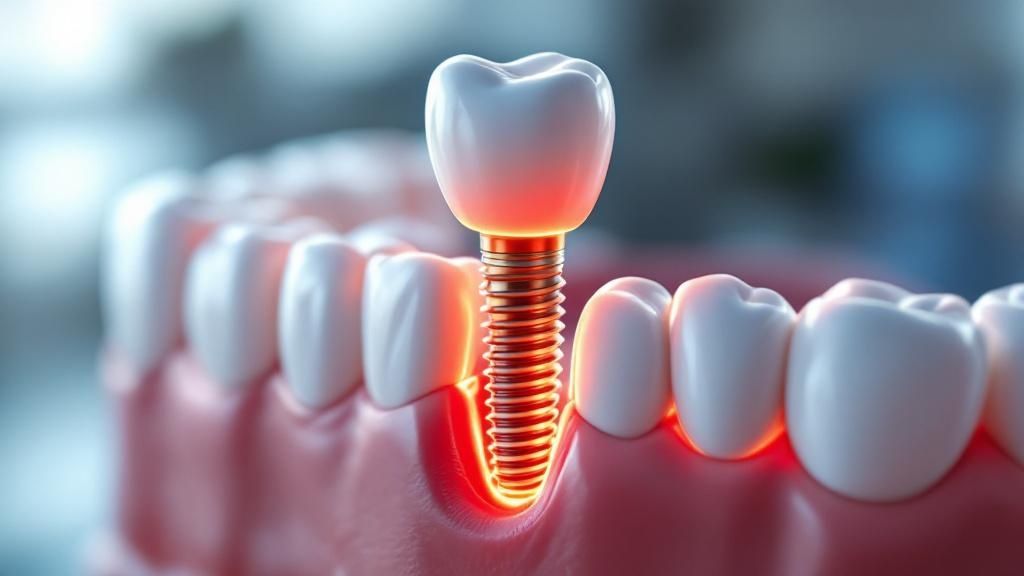
Think of your jawbone as the foundation of a house. For a dental implant to last a lifetime, that foundation needs to be solid and stable. It turns out, your overall health and daily habits are what build—or weaken—this very foundation, playing a huge role in whether your treatment succeeds.
Any experienced Tijuana dentist will start with a deep dive into your health history before even thinking about a procedure like All-on-4 dental implants Tijuana. This isn’t just a formality; it’s a critical step to spot potential roadblocks and make sure you’re set up for a successful, long-lasting restoration.
The Impact of Smoking on Healing
Let’s be blunt: smoking is one of the biggest enemies of dental implants. Imagine trying to grow a beautiful garden in dry, nutrient-poor soil. That’s essentially what smoking does to your mouth.
It constricts your blood vessels, drastically cutting down the flow of oxygen and vital nutrients to the surgical area. The healing tissues are basically starved, making it incredibly difficult for the implant to fuse with your jawbone—that all-important process known as osseointegration.
A massive 10-year study put a spotlight on just how much our habits matter. The results were eye-opening: smokers had the highest implant failure rate at a staggering 37%. Right behind them were patients with hypertension (20.8%) and diabetes (20.3%), proving the undeniable link between your body’s health and your oral health.
Managing Chronic Conditions Like Diabetes
Uncontrolled systemic diseases, especially diabetes, can throw a major wrench in the healing process. When your blood sugar is high, it cripples your body’s ability to fight off infection and slows down tissue repair.
This leaves the surgical site wide open to bacterial attack and can stop the implant from integrating properly with the bone.
But having diabetes doesn’t mean implants are off the table. Not at all. The key is management. A good Mexico dentist will work closely with you and your doctor to get your condition under control before surgery, which dramatically boosts your chances of success.
Proper management is everything, and you can learn more in our detailed guide on dental care for patients with diabetes.
Other Health Factors to Consider
Beyond smoking and diabetes, a few other conditions and habits can mess with your implant’s stability. Being completely open about your medical history is the best thing you can do—it lets your dental team build a treatment plan that’s both safe and effective for you.
Here are a few other key players:
- Osteoporosis: This condition weakens bones all over, and your jaw is no exception. It makes implant placement trickier, but definitely not impossible. Your dentist might use special techniques or suggest bone grafting to build up a solid base.
- Certain Medications: Some drugs, like the bisphosphonates used for osteoporosis, can interfere with bone healing. It’s absolutely vital to give your dentist a full list of every single medication you take.
- Poor Oral Hygiene: Implants aren’t a free pass to slack on your hygiene. If you neglect brushing and flossing, bacteria will build up and can cause peri-implantitis—a nasty infection that literally eats away the bone holding your implant in place.
- Bruxism (Teeth Grinding): The constant, powerful force from grinding can overload an implant, especially while it’s still healing. This can either stop osseointegration in its tracks or lead to a mechanical failure down the road. Often, a custom nightguard is a simple and highly effective fix.
At the end of the day, your body is one big connected system. The very same habits that keep you healthy overall—a good diet, great hygiene, and staying on top of chronic conditions—are exactly what your dental implants need to thrive for decades to come.
The Critical Role of Surgical Technique
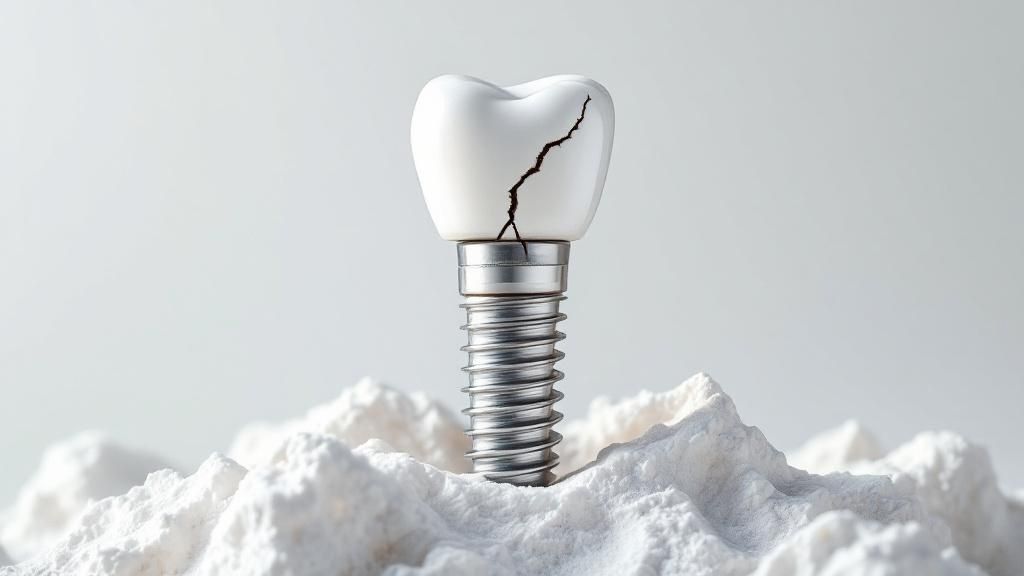
While your health lays the groundwork, the success of your dental implant often comes down to the hands performing the procedure. The surgeon’s skill is arguably the most critical factor influencing the outcome.
Think of it like planting a delicate sapling. If you dig the hole too wide, the young tree will wobble, and its roots will never get a firm grip on the soil. The same principle applies to dental implants. A master dentist understands that precision is everything.
Achieving Rock-Solid Primary Stability
The initial stability of the implant right at the moment of placement is what we call primary stability. This is the immediate, mechanical grip the implant has in the bone, long before the biological fusion (osseointegration) even begins. It’s the bedrock upon which all future success is built.
If an implant is even slightly loose from the start, it can experience micro-movements when you talk or eat. Believe it or not, these tiny shifts are enough to disrupt the delicate process of bone cells fusing to the implant surface, often leading to early failure.
An experienced surgeon achieves perfect primary stability by preparing the bone site with meticulous care, making sure it’s not too wide or too narrow. This creates the snug, secure fit needed for the jawbone to heal around the implant without any interference.
This initial stability is essential, and it’s a key reason why some patients can get their new teeth much faster. For those interested in how this works, you can explore more about immediate load dental implants and see how they rely on excellent surgical technique.
The Importance of Precise Placement and Angulation
Where the implant is placed is just as important as how it’s placed. A skilled dentist uses advanced 3D CT scans to map out your jawbone completely. This allows them to identify the densest areas of bone and chart the precise location of nerves and sinuses to avoid any surprises.
Improper angulation or placement can lead to several severe problems:
- Nerve Damage: An implant placed too close to a major nerve can cause chronic pain, numbness, or a tingling sensation in your lip, chin, or tongue.
- Sinus Perforation: In the upper jaw, an improperly angled implant can puncture the sinus cavity, which can lead to infections and other complications.
- Poor Load Distribution: Incorrect placement causes biting forces to be distributed unevenly across the implant. This creates mechanical stress that can lead to bone loss and eventual failure.
For a full mouth restoration, where multiple implants have to work together in perfect harmony, this level of precision becomes even more vital. Each implant must be perfectly angled to support the final bridge and withstand chewing forces for decades to come.
Upholding Impeccable Sterilization Protocols
Finally, the surgical environment itself plays a silent but crucial role. The mouth is full of bacteria, and any contamination introduced during surgery can cause an infection that stops the implant from healing correctly.
Top dental clinics adhere to the strictest sterilization protocols. This means every single instrument is autoclaved (sterilized with high-pressure steam), all surfaces are disinfected, and the surgical team wears sterile gowns, gloves, and masks.
This commitment to a pristine environment minimizes the risk of post-operative infections. It ensures your body can focus all its energy on one thing: healing and integrating your new implant for a strong, lifelong result.
Why Implant and Crown Design Matter
It’s not just about your health or the surgeon’s skill. The actual hardware—the implant itself and the prosthetic crown that sits on top—plays a huge part in whether your new tooth lasts a lifetime. Not all implants are created equal, and a poor design choice can turn a permanent solution into a future headache.
Think of it like this: you wouldn’t hang a heavy mirror on a tiny little screw. It’s just common sense. The weight would eventually pull it right out of the wall. The same exact logic applies to dental implants. If an implant is too short or too narrow for the job, it’s setting itself up to fail under the constant pressure of chewing.
The Foundation: The Implant Itself
The implant post is meticulously engineered to spread biting forces safely across the jawbone. But when an implant is undersized for the forces it needs to handle, it concentrates all that stress into one small area. Over time, this constant mechanical overload can literally cause the surrounding bone to break down, leading to a wobbly implant and, eventually, complete failure.
The research on this is crystal clear: size matters. One study found that implants shorter than 10 mm had a staggering 16% failure rate. Compare that to longer implants, where the rate dropped as low as 8.6%. Diameter is just as crucial. Implants under 3.75 mm wide failed 25% of the time, while those bigger than 4.5 mm failed only 6.9% of the time.
This is exactly why a top-tier clinic insists on a pre-surgical evaluation with 3D CT scans. An expert Tijuana dentist uses this detailed imaging to pick the perfect implant diameter and length, ensuring maximum bone contact for rock-solid stability that will last for years.
How a Poorly Designed Crown Creates Problems
The crown is the part you actually see and chew with, but if it isn’t crafted and fitted with absolute precision, it can sabotage a perfectly good implant. An ill-fitting or badly shaped crown introduces two major risks that can unravel the whole system.
First, there’s occlusal overload, which is just the technical term for a bad bite. If your new crown is even a little too high or shaped improperly, it will slam against the opposing tooth with too much force every time you chew. This constant hammering sends excessive stress down through the implant, which can lead to bone loss, a loosened implant, or even a fractured prosthetic.
Second, a crown that doesn’t fit perfectly leaves tiny, microscopic gaps where it meets the abutment. These little crevices become a paradise for bacteria. Since it’s impossible to clean these spots, bacteria colonize the area and trigger inflammation—the first step toward peri-implantitis. You can see just how critical precision is when you understand the dental crown procedure steps.
The Hidden Danger of Leftover Dental Cement
One of the most common—and totally preventable—causes of late implant failure is leftover dental cement. In many cases, the crown is cemented onto the abutment, which is the piece connecting it to the implant post. During this process, a tiny bit of excess cement can get squeezed out and trapped under the gum line.
This hidden cement acts just like a splinter under your skin. Your body sees it as a foreign invader and launches an inflammatory attack to get rid of it. This chronic inflammation creates the perfect breeding ground for destructive bacteria, leading directly to infection, bone loss, and ultimately, a failed implant. A skilled and careful dentist knows to meticulously remove every last trace of cement to protect your investment from this silent threat.
Protecting Your Investment from Peri-Implantitis

Once your implant has successfully fused with your jawbone—a process called osseointegration—you’ve cleared the first major hurdle. From this point forward, the biggest threat to its long-term success is a condition called peri-implantitis.
Think of it as the evil twin of gum disease, but specifically for dental implants. It’s a silent, progressive infection that can undermine even the most perfectly placed implant, making your long-term care habits absolutely essential.
What Is Peri-Implantitis and How Does It Start?
Peri-implantitis is a destructive inflammatory condition that attacks the gums and, more critically, the bone holding your implant in place. It all starts with the same culprit as regular gum disease: bacterial plaque.
Even though your new crown is artificial, bacteria can still build up where it meets the gum line. If you don’t clean it away daily, this plaque hardens into tartar, irritating the gums and causing inflammation. This initial stage is known as peri-mucositis, and you’ll probably notice red, swollen gums that bleed when you brush.
The real danger kicks in if this inflammation is left unchecked. The infection burrows deeper, destroying the very bone that secures your implant. Unlike natural teeth, which have a protective ligament, implants fuse directly to the bone, making them far more vulnerable to this kind of attack once an infection takes hold.
Key Warning Signs to Watch For
Catching peri-implantitis early is the key to stopping it in its tracks and saving your implant. You are the first line of defense, so stay vigilant for any changes in your mouth.
Pay close attention to these common symptoms:
- Bleeding Gums: The gums around your implant should never bleed during brushing or flossing. This is often the very first sign of trouble.
- Swelling or Redness: Noticeable puffiness or a deep red color in the gums surrounding the implant is a clear red flag.
- Persistent Bad Taste or Breath: An ongoing metallic or foul taste from the implant area can signal a hidden infection.
- Pus or Discharge: Any pus coming from the gum line is a definite sign of infection that needs immediate professional attention.
- Implant Looseness: If you feel any movement in your implant, the bone loss may already be advanced. Contact your dentist without delay.
Your Best Defense: Daily Habits and Your Tijuana Dentist
The good news? Peri-implantitis is almost entirely preventable. It all comes down to a partnership between your at-home care and regular professional check-ups with your Tijuana dentist. This is especially true for complex cases like all on 4 dental implants Tijuana or a full mouth restoration Tijuana.
Late failures are often caused by biological issues like peri-implantitis. The risk goes up with poor oral hygiene or loose-fitting parts that let plaque hide and accumulate. You can get into the nitty-gritty of the science in this in-depth medical study.
Meticulous daily hygiene isn’t just a suggestion; it’s a non-negotiable requirement for long-term implant success. Your implant is a lifetime investment, and treating it with care ensures it serves you well for decades.
Your commitment to aftercare is just as important as the surgery itself. By following the right steps, you can keep your implant healthy and functional for life. For more practical advice, check out our guide on dental implant recovery tips.
Schedule your consultation with a Mexico dentist today to ensure your smile is protected for the long haul.
Choosing Your Tijuana Dentist to Ensure Success
Everything we’ve talked about—from your health to the surgeon’s precision—all comes down to one thing: who you choose as your dental partner. Preventing implant failure doesn’t start when you get in the chair. It starts the moment you begin searching for a skilled, experienced professional. Honestly, this is the single most important decision you’ll make for the long-term health of your smile.
A great outcome is a true partnership. When you’re looking for the best Mexico dentist, you’re not just hiring someone to do a procedure. You’re looking for a collaborator who will guide you, use top-notch technology, and map out a precise plan that’s built just for you.
What to Look for in a Top Implant Specialist
Let’s be clear: not all dentists are implant specialists. For complex work like all on 4 dental implants Tijuana or a full mouth restoration Tijuana, you need a clinician with a proven track record. Their experience directly affects everything from how stable the implant is on day one to how it looks years down the road. Finding the best Tijuana dentist for all on 4 requires a bit of research.
Here’s what you should be prioritizing:
- Specialized Training: Hunt for dentists who have advanced training in implantology and cosmetic dentistry. Credentials from reputable institutions aren’t just pieces of paper; they show a serious commitment to mastering their craft.
- Advanced Technology: A top-tier clinic will insist on using 3D CT scans for planning. This isn’t optional. It’s the only way a surgeon can accurately map your bone density, chart a safe path for the implant, and steer clear of critical nerves.
- High-Quality Materials: Don’t be shy—ask about the brands of implants they use. The leading manufacturers have decades of solid research backing their products, which translates directly to higher success rates.
The Power of a Partnership
Once you’ve picked your Tijuana dentist, the dynamic shifts to teamwork. A successful, lasting result hinges on a shared commitment between you and the clinical team. You’re in this together.
Success in dental implantology is a two-way street. The surgeon provides the expertise and precision for a perfect placement, but the patient provides the diligence and commitment to aftercare that ensures the implant thrives for a lifetime.
This whole partnership is built on clear, transparent communication. Your dentist should walk you through every step, explain your personal risk factors, and give you crystal-clear instructions for what to do after the surgery. Your role? Be an active, engaged participant in your own health journey.
Your Role in Ensuring Long-Term Success
Your responsibilities are every bit as crucial as the surgeon’s. By taking an active role, you’re not just getting a procedure done—you’re protecting your investment and securing your new smile for decades.
Think of it as your success checklist:
- Commit to Excellent Home Care: This is your first line of defense. Meticulous daily brushing and flossing around the implant are non-negotiable for preventing peri-implantitis.
- Show Up for All Follow-Up Appointments: Regular check-ups are how your dentist keeps an eye on the implant. It allows them to spot early warning signs of trouble and perform professional cleanings that you just can’t do at home.
- Manage Your Overall Health: Your mouth is connected to the rest of your body. Keeping conditions like diabetes in check and steering clear of smoking are vital for maintaining the healthy foundation your implant depends on.
Following this simple roadmap will help you navigate your treatment with confidence, knowing you’ve done everything in your power to get a beautiful, functional, and lasting result.
To make things even clearer, here’s a quick checklist summarizing how you and your dentist can work together for the best possible outcome.
Your Checklist for Preventing Implant Failure
| Phase | Patient’s Responsibility | Dentist’s Responsibility |
|---|---|---|
| Before Treatment | Provide a complete and honest medical history. Ask questions and voice any concerns you have. | Conduct a thorough 3D CT scan and health assessment. Create a detailed, personalized treatment plan. |
| During Treatment | Follow all pre-operative instructions carefully. | Use high-quality materials and precise surgical techniques. Ensure a sterile and safe environment. |
| After Treatment | Commit to meticulous daily oral hygiene. Attend all scheduled follow-up appointments. | Provide clear aftercare instructions. Monitor healing and osseointegration. |
| Long-Term | Maintain a healthy lifestyle (diet, no smoking). Report any changes or concerns immediately. | Perform regular professional cleanings and check-ups. Screen for early signs of complications. |
By understanding and owning your role in each phase, you and your dental team can build a partnership that paves the way for a smile that lasts a lifetime.
Your Top Dental Implant Questions Answered
When you’re looking into something as significant as dental implants in Tijuana, it’s natural to have questions. From single implants to a full mouth restoration in Tijuana, understanding the process is key to feeling confident in your decision.
We hear these questions all the time, especially from patients exploring high-quality, affordable options like All on 4 dental implants in Tijuana. Let’s dive into some of the most common queries we get from patients just like you.
Can a Failed Dental Implant Be Replaced?
Yes, absolutely. In the vast majority of situations, a failed implant isn’t the end of the road. The first thing your dentist will do is a deep-dive investigation to figure out why the first one didn’t take, which usually involves 3D imaging.
If an infection like peri-implantitis was the culprit, the area needs a thorough cleaning and disinfecting. More often than not, a bone graft is needed to rebuild the foundation that was lost. After giving the site several months to heal properly, a new implant can typically be placed with a much higher chance of success. A skilled Tijuana dentist will map out a completely new surgical plan to avoid the pitfalls of the first attempt.
What Are the Warning Signs of Dental Implant Failure?
Catching a problem early is your best defense against a small issue turning into a big one. You should call your dentist right away if you notice any of these red flags:
- Pain or Discomfort: A persistent ache, throbbing, or sharp pain around the implant is not normal.
- Swelling or Redness: Inflamed gums around your implant are a classic sign something is wrong, usually an infection.
- Implant Movement: This is a critical one. If you feel any wiggle or looseness when you chew, talk, or touch the implant, it needs immediate attention.
- Difficulty Chewing: If it’s painful or feels unstable to bite down, that’s a clear signal of a problem.
- Bad Taste or Breath: A constant foul taste or bad breath coming from the implant area almost always points to a bacterial infection.
How Long Should Dental Implants Last?
Here’s the great news: with skilled surgical placement and a real commitment to long-term care, dental implants are built to last a lifetime. The actual titanium post that fuses with your jawbone has a success rate of over 95% for 10 years and far beyond.
The crown—the part you see and chew with—takes the brunt of daily wear and tear. You can expect it to last about 10-15 years before it might need replacing. The longevity of the whole system really hinges on three things: excellent daily hygiene, regular dental check-ups, and managing risk factors like smoking or teeth grinding.
Is an All on 4 in Tijuana More Likely to Fail?
Not at all. The success of an All on 4 procedure has everything to do with the surgeon’s expertise, the quality of the materials, and the patient’s overall health—not the city where it’s performed. A meticulously planned and flawlessly executed All on 4 dental implants Tijuana treatment has the exact same high success rates as one done anywhere else in the world.
In fact, top clinics in Tijuana specialize in these complex full-arch cases, performing them day in and day out. This sheer volume of experience, combined with the significant savings on the cost of full mouth restoration in Mexico, makes it a fantastic and reliable option for many patients.
Ready to explore what a healthy, permanent smile could look like for you? The team at Trust Dental Care is here to give you a comprehensive, no-obligation consultation to see if dental implants are the right fit. Schedule your free consultation with an expert Tijuana dentist today!