
Tijuana Dental Tourism is the practice of traveling from the United States for planned dental evaluation and treatment in Tijuana, Baja California. For many Southern California patients, the draw is not a slogan—it is logistics: a short border crossing, clear identity documents, a clinic that can sequence care in writing, and a published fee list you can review before you commit dates.
This pillar explains what Tijuana Dental Tourism is in operational terms: how US patients typically walk, drive, or fly in, which trust signals matter when you choose a clinic, and how to bridge into fees, insurance notes, and transportation without treating this page as a reasons listicle. For a decision-framed “is it worth the trip?” angle, see our supporting guide on whether a Tijuana dental trip is worth it. For a California itinerary checklist, see how to plan a dental trip from California.
Trust Dental Care operates in Zona Río Tijuana. Care plans here are authored under the clinical direction of Dr. Cirenia Aparicio Miranda, DDS—an AACD member—so recommendations stay tied to exam findings and imaging rather than to marketing copy. For general oral health guidance from the ADA (MouthHealthy), use that educational resource alongside—not instead of—your clinic’s written plan; public guidance does not replace an exam.
Patients who research Tijuana Dental Tourism usually want the same clarity: documents, crossing method, a sequenced plan, and fee anchors they can verify before they travel.
What Tijuana Dental Tourism Means in Practice
Tijuana Dental Tourism is not a single appointment type. It is a travel-plus-care pattern: you cross with a purpose (exam, restorative work, implants, cosmetic dentistry, or a multi-visit sequence), you leave with documentation, and you schedule follow-up that fits your side of the border. The useful questions are operational:
- Can the clinic examine you, image you, and put a sequenced plan in writing before major treatment starts?
- Can you enter and return through San Ysidro (or fly into Tijuana) with the documents you already hold?
- Are fee anchors published so your written plan maps to line items you can verify?
- Is transportation between the port of entry and the clinic arranged or clearly explained?
Those questions keep the conversation on access and clinical process. They also keep this URL from competing with treatment encyclopedias—for procedure depth, use the guide to dental treatment in Tijuana and service hubs such as cosmetic dentistry or dental implants in Tijuana.
How US Patients Reach Care: Walk, Drive, or Fly
Most US patients using Tijuana Dental Tourism arrive in one of three ways. Choose based on luggage, companions, parking tolerance, and whether same-day return is realistic for your treatment length.
Walking across at San Ysidro
The San Ysidro Port of Entry is the busiest land border crossing between the United States and Mexico. Many dental patients park on the US side, walk south with a passport (or other accepted travel document), and continue to the clinic by prearranged shuttle or rideshare. Global Entry and SENTRI can shorten some inspection lanes when you qualify and the lane is open; they are conveniences, not requirements for dental care. Always confirm current entry rules before you travel—document policy can change.
Walking works well when your appointment is primarily exam, imaging, and planning, or when treatment time fits a same-day loop. If you expect a longer clinical session or will leave with temporary restorations that need careful handling, build buffer time into your return.
Driving into Tijuana
Driving gives you door-to-door control and helps if you are traveling with family or bringing items the clinic asked you to carry. It also adds Mexican auto insurance considerations, parking near the clinic, and potential southbound or northbound wait variability. If you prefer not to drive the last segment, many patients still drive to a US-side lot and walk the border—then use clinic transportation on the Mexico side.
Flying into General Abelardo L. Rodríguez International Airport
Patients flying into Tijuana typically land at General Abelardo L. Rodríguez International Airport (TIJ). From there, ground transfer to Zona Río is a short urban trip compared with flying into a distant Mexican destination and connecting by long bus. Cross-border air travelers should still plan passport control and local transfer time the same way land travelers do—air arrival does not remove the need for a clear clinic address and pickup plan.
For shuttle and transfer details specific to Trust Dental Care, see Tijuana dentist transportation.
How Care Is Planned at Trust Dental Care (Information Gain)
At Trust Dental Care, new Tijuana Dental Tourism visits follow a staging-first sequence under Dr. Cirenia’s clinical direction: focused consult and imaging review come before irreversible treatment whenever clinical conditions allow. Findings are translated into a written plan that lists proposed procedures, visit count, and which steps can share a single trip versus which need healing time. That written plan is what you use to align border days, lodging, and any insurance questions—not a verbal estimate alone.
This is the proprietary habit we want US patients to expect: exam + imaging → written sequenced plan → scheduled treatment visits → documented follow-up. It is how Dr. Cirenia’s team keeps tourism logistics attached to clinical reality instead of to a fixed “package day” that ignores what your films show.
Can I get a crown in one visit?
Yes, some crowns can be made in one visit, because our clinic has its own dental lab where a crown can be designed and finished on the same day. After the exam, your dentist tells you whether your tooth is a good fit for a same-day crown or whether a lab crown over two visits makes more sense.
Patient Journey: From First Visit to Follow-Up
Use this sequence as a planning scaffold for Tijuana Dental Tourism. It is educational—not a clinical HowTo—and your clinician may adjust steps when urgency or medical history requires it.
- Remote intake and records. Share chief concerns, medical history highlights, and any recent radiographs your home dentist can release.
- Border arrival and clinic check-in. Arrive with passport (or accepted ID), appointment confirmation, and payment method details the clinic already explained.
- Exam and imaging. Clinical exam plus the imaging needed for your case (intraoral, panoramic, or CBCT when indicated).
- Written plan review. Walk through proposed options, visit count, and which line items map to the published dental prices in Tijuana fee list.
- Treatment visit(s). Complete the steps that fit the current trip; schedule subsequent visits when healing or lab work requires them.
- Follow-up and home-dentist coordination. Leave with written notes, temporary care instructions when relevant, and a clear path for questions after you return north.
What should you ask in a virtual consultation?
Four things to ask in a virtual consultation are which X-rays or photos to send, how many visits you need, what the quote includes, and who to call after you get home. Also ask how far apart the visits are and what could be added to the quote later. A virtual consultation lets you start planning before you cross.
The virtual consultation is not free, so ask our team for the current fee. Once you are here, the in-person consultation costs $60 and includes the exam, a full set of X-rays, and intraoral photos.
Clinic Trust Signals That Matter More Than Slogans
Skip absolute marketing language when evaluating Tijuana Dental Tourism options. Prefer verifiable signals:
- Named clinical leadership — here, Dr. Cirenia Aparicio Miranda, DDS, with U.S. licensure and long-standing AACD membership, described on her clinician profile.
- Written plans before major commitments — especially for multi-visit implant or full-mouth sequences.
- Published fee anchors — compare your plan against the live fee list rather than against undocumented social-media numbers.
- Transportation clarity — know how you move between San Ysidro and the operatory.
- Insurance process honesty — some US plans reimburse out-of-network care; others do not. Start with dental insurance in Tijuana and confirm your own benefits.
Fees, Insurance, and What This Page Will Not Invent
This Tijuana Dental Tourism logistics pillar does not invent dollar figures. When you need amounts, open the canonical dental prices in Tijuana fee list and match line items to your written plan. If a procedure is not listed, ask for it on the plan—do not rely on third-party screenshots. Insurance reimbursement, when available, depends on your policy language; the clinic can often provide coding-oriented documentation, but benefit decisions stay with your insurer.
We accept cash, Visa, Mastercard, and American Express. If you have a U.S. PPO plan, such as Delta Dental, Cigna, Aetna, MetLife, or Guardian, our team can help you file the claim. Coverage depends on your plan, so check your benefits first. On our dental prices page, complete All-on-4 and All-on-6 packages range from $10,499 to $13,499.
Putting the Trip Together
A practical Tijuana Dental Tourism plan usually combines four documents: passport (or accepted travel ID), clinic appointment confirmation, written treatment plan with visit count, and a transportation note (walk + shuttle, drive, or airport transfer). Add lodging only when multi-day care requires it—see accommodation guidance on site when your plan spans overnight stays.
When you are ready to schedule an exam and imaging review for Tijuana Dental Tourism, contact the team through the Trust Dental Care contact page. Bring your questions about border timing, SENTRI or standard lanes, and how many visits your case is likely to need—those are the logistics that make cross-border dental care workable for US patients.
Frequently Asked Questions
It is traveling from the United States for planned dental evaluation and treatment in Tijuana. The useful focus is logistics: border access, a written care plan, published fee anchors, and clear transportation—not marketing slogans.
For land or air entry into Mexico, carry a passport or another document your government accepts for international travel. Global Entry or SENTRI can speed some lanes when you qualify, but they are optional conveniences—not clinical requirements.
Yes. Many US patients park on the US side, walk south at San Ysidro, and continue to the clinic by shuttle or rideshare. Build buffer time for inspection lines and for your return north after treatment.
Visits typically start with exam and imaging under Dr. Cirenia’s clinical direction, then a written sequenced plan before major treatment whenever conditions allow. That plan drives visit count, fee-list matching, and follow-up timing.
Use the clinic’s published dental prices in Tijuana fee list and match line items to your written plan. This page does not invent dollar figures; unpublished items belong on your plan after clinical review.
Some US plans reimburse out-of-network care; others do not. Confirm your benefits first, then ask the clinic what documentation they can provide. See the dental insurance in Tijuana guide for process context.
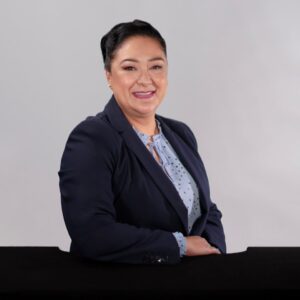
U.S.-licensed dental surgeon · Mexico professional license #33592067 · Active member, American Academy of Cosmetic Dentistry (AACD) since 2009 27+ years of clinical practice.
This article is for general information. It does not diagnose your case and does not replace an in-person exam, CBCT review, and a written treatment plan.