6 Dental Implant Failure Signs to Watch for in 2025
Dental implants, including advanced options like All on 4 dental implants, represent a significant investment in your health and confidence. Whether you’re considering a single implant or a full mouth restoration with crowns and veneers, understanding how to protect your smile is crucial. Many patients seek affordable, high-quality care from a Tijuana dentist or other clinics in Mexico, and while success rates are high with experienced professionals, being proactive about aftercare is non-negotiable.
Knowing the early dental implant failure signs is the most powerful tool you have for ensuring a lasting result. Recognizing a subtle warning sign can mean the difference between a simple, quick adjustment and a more complex, costly intervention. This guide is designed to empower you with that knowledge. We will detail the specific symptoms you must not ignore, from persistent pain and implant looseness to changes in your gums or bite. By understanding these critical signs, you can take swift action to protect your investment and maintain the healthy, beautiful smile you deserve for years to come. We’ll explore what these warnings mean and outline the immediate next steps you should take.
1. Severe or Persistent Pain
While some degree of discomfort and soreness is a normal part of the healing process after dental implant surgery, this initial pain should gradually subside. However, severe or persistent pain that lasts beyond the first 7-14 days is a significant red flag and one of the most immediate dental implant failure signs. This type of pain is distinct from typical post-operative soreness; it may be a deep, throbbing ache, a sharp, shooting sensation when you bite, or a constant pain that disrupts your daily life and doesn’t improve with standard pain medication.
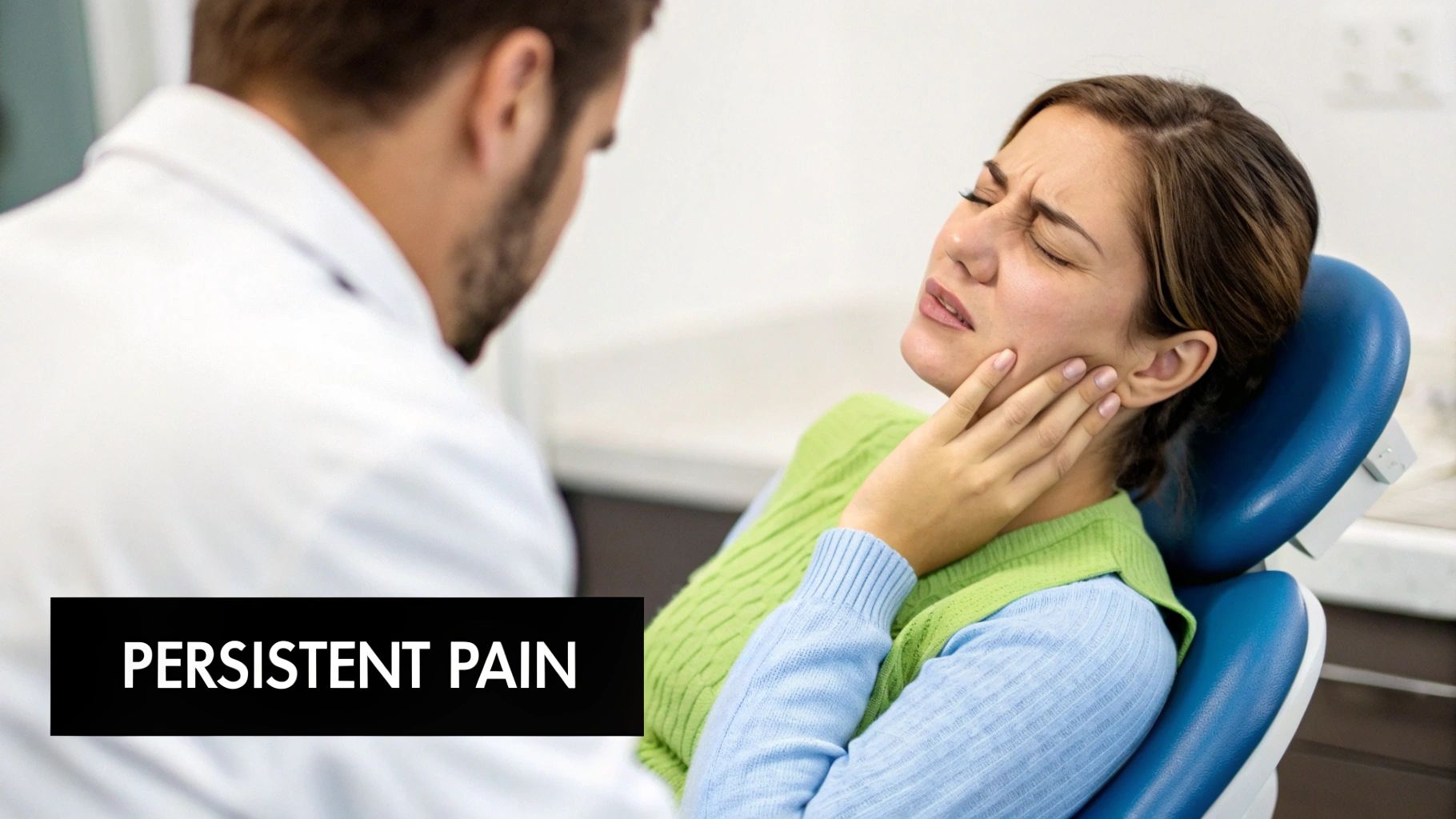
This prolonged pain often indicates an underlying problem, such as an infection at the implant site, nerve impingement, or a failure of the implant to integrate with the jawbone (osseointegration). Ignoring it can lead to more complex issues, making early intervention critical.
Understanding the Difference: Normal vs. Abnormal Pain
It’s crucial to distinguish between expected healing discomfort and a genuine warning sign.
- Normal Post-Surgical Pain: Typically peaks within the first 48-72 hours and steadily decreases. It is manageable with the prescribed pain relievers and should be mostly gone within one to two weeks.
- Abnormal Pain (A Sign of Failure): This pain might appear weeks or even months after your procedure. It may feel like it’s worsening instead of improving or appear suddenly after a period of being pain-free. This is not a normal part of healing for procedures like All-on-4 dental implants or single implants.
Actionable Steps for Managing and Reporting Pain
If you experience persistent or escalating pain, immediate and structured action is necessary.
- Keep a Pain Diary: Document the pain’s intensity (on a scale of 1-10), what it feels like (throbbing, sharp, dull), and when it occurs (e.g., when chewing, at night). This provides your Tijuana dentist with valuable data to diagnose the problem.
- Contact Your Dentist Immediately: Do not wait for your scheduled follow-up. Persistent pain beyond two weeks is not normal. A sudden, severe spike in pain should be treated as a dental emergency. You can learn more about how to handle urgent dental situations by exploring information on dental emergencies.
- Avoid Self-Medicating: Do not simply increase your dose of over-the-counter pain relievers to mask the symptom. This can hide the severity of the underlying issue and delay necessary treatment.
Whether you received a full mouth restoration in Mexico or a single implant locally, persistent pain is a universal sign that requires professional evaluation to protect your investment and your oral health.
2. Implant Mobility or Looseness
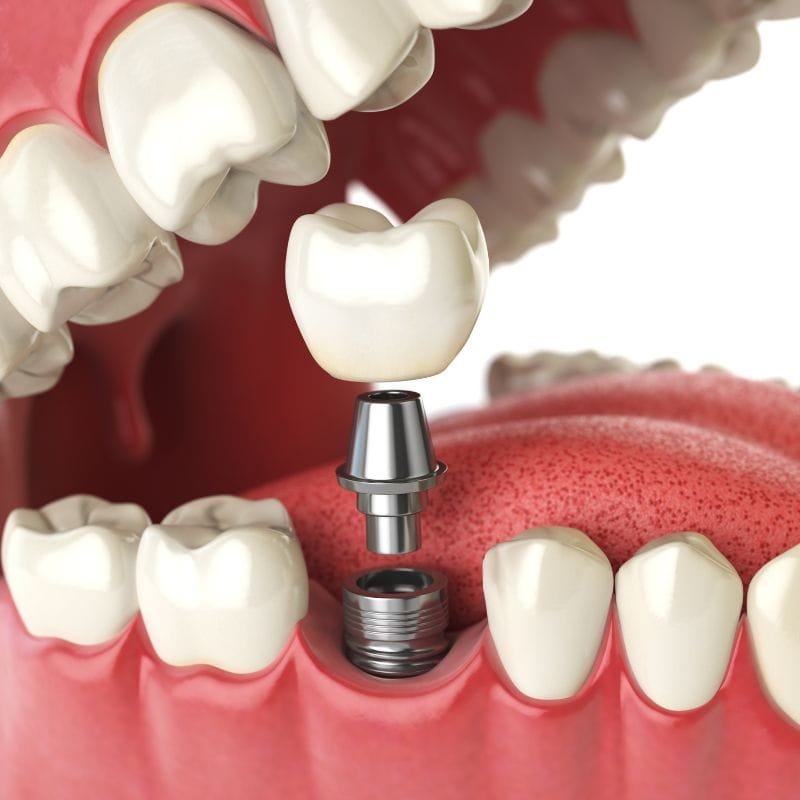
A properly integrated dental implant should feel completely stable and immovable, functioning just like a natural tooth root. Therefore, any detectable movement, wobbling, or looseness of the implant post or the crown attached to it is one of the most definitive dental implant failure signs. This mobility indicates a severe problem, such as a failed osseointegration process where the implant never fused with the jawbone, or a mechanical complication with the implant components.
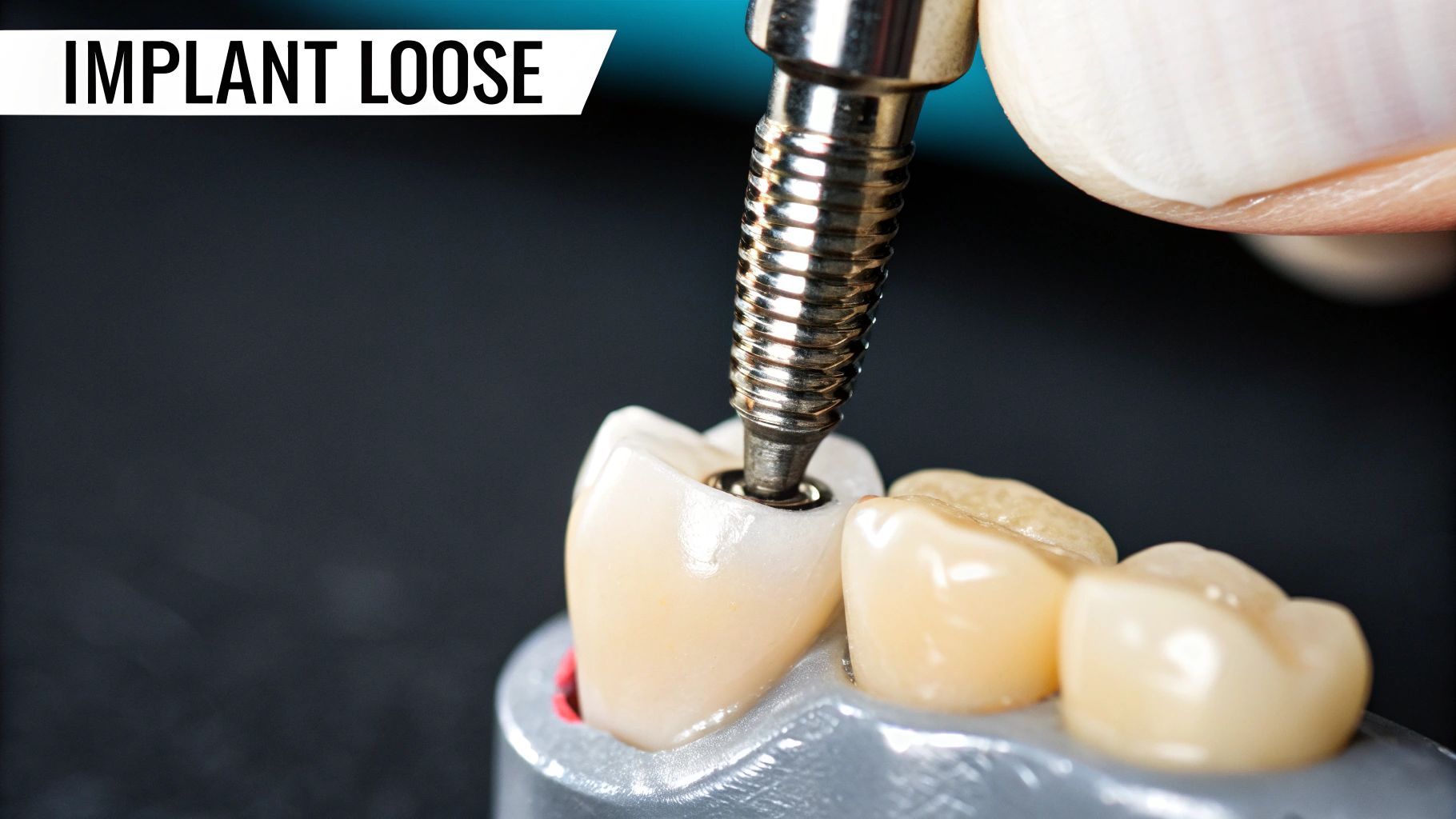
The feeling can be subtle at first but often becomes more noticeable over time. A healthy implant, whether part of a full mouth restoration or a single tooth replacement, should feel rock-solid. Looseness signifies that the foundational support of the implant is compromised, requiring immediate professional attention to prevent further bone loss or damage.
Understanding the Difference: Implant vs. Crown Looseness
It’s vital to determine what exactly is moving, as the cause and treatment can differ significantly.
- Loose Crown/Abutment: Sometimes, the crown or the connecting piece (abutment) may become loose while the implant post itself is still solidly fused to the bone. This is a mechanical issue, often a simple fix like tightening a screw, and is not a sign of implant failure.
- Loose Implant Post: If the entire implant fixture moves within the jawbone, this signals a failure of osseointegration. This is a much more serious issue and often requires removal of the implant. This type of mobility is a critical warning sign for patients with All-on-4 dental implants as well as single implants.
Actionable Steps for Managing and Reporting Mobility
If you detect any movement in your implant, you must act quickly to address the root cause.
- Avoid Applying Force: Immediately stop chewing on the affected side and avoid pushing on the implant with your tongue or fingers. Applying pressure can worsen the situation and cause additional bone loss.
- Contact Your Dentist Immediately: A loose implant is considered a dental emergency. Contact your Tijuana dentist or local provider without delay. Do not wait for it to “tighten up” on its own, as this will not happen.
- Do Not Attempt Self-Repair: Never try to tighten, adjust, or glue the crown or implant yourself. You can cause irreparable damage to the implant components or your surrounding tissues. A professional evaluation is necessary to diagnose the problem correctly. You can discover more about the intricacies of the procedure in this complete guide to dental implants.
Whether your dental work was done in Mexico or elsewhere, a mobile implant is a universal sign that the foundation of your dental restoration is at risk and requires immediate expert care.
3. Swelling and Inflammation Around the Implant Site
While some initial swelling is a normal reaction to the surgical procedure, it should peak within the first few days and then steadily resolve. However, persistent or recurring inflammation around the gum tissue of a dental implant is a critical warning sign. This is one of the most common dental implant failure signs, indicating a deeper problem that requires immediate professional attention. The affected area may appear puffy, red, and feel warm or tender to the touch, signaling an active inflammatory response long after the initial healing period has passed.
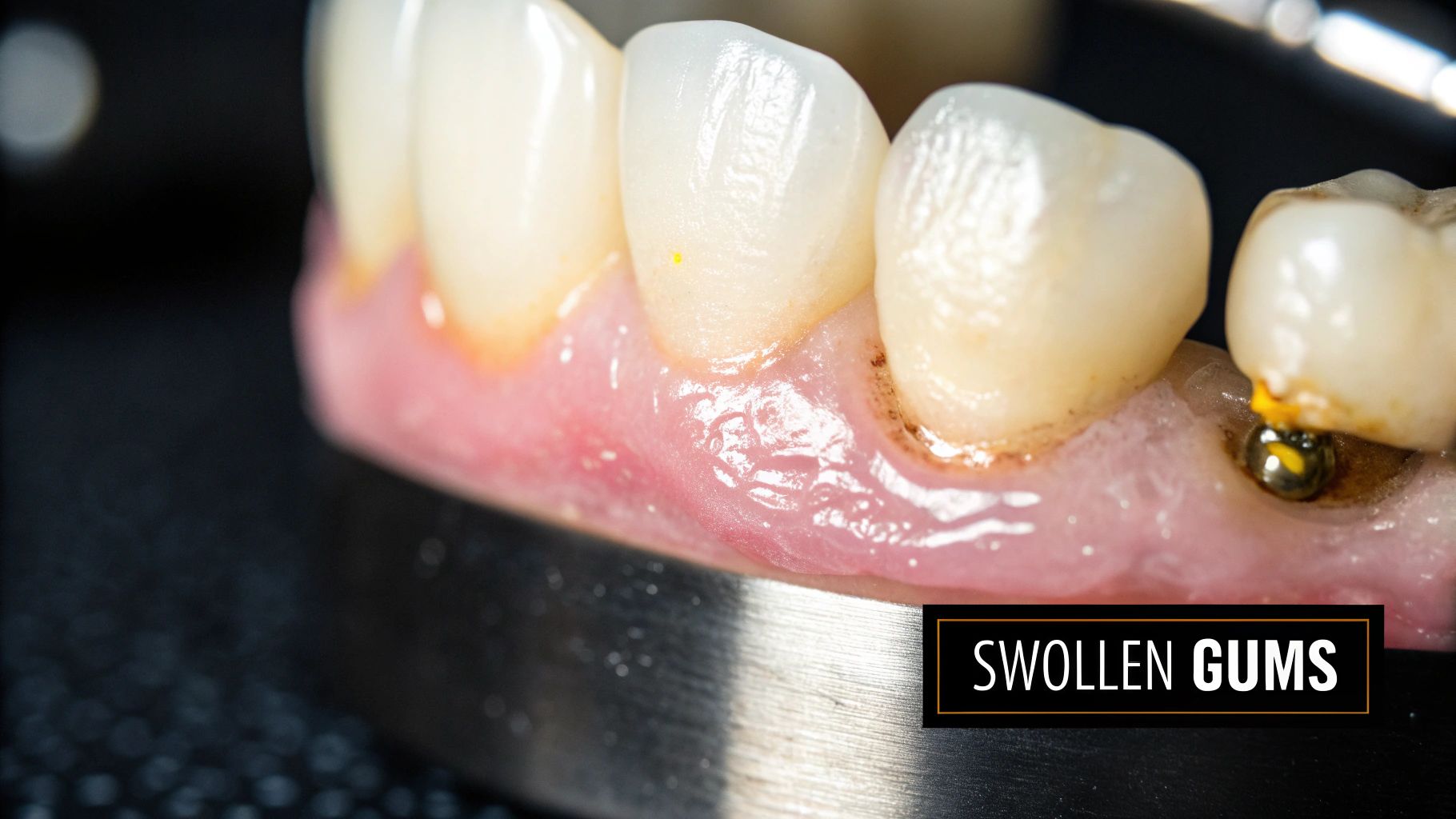
This kind of late-stage swelling often points to peri-implantitis, an inflammatory disease similar to gum disease that affects the tissues surrounding a dental implant. If left untreated, peri-implantitis can lead to the progressive loss of the supporting jawbone and the ultimate failure of the implant itself. It is a serious concern for any type of implant, from a single tooth to a complex full mouth restoration.
Understanding the Difference: Normal vs. Abnormal Swelling
Knowing what to expect during healing helps you identify problems early. It’s vital to distinguish between normal post-op effects and a true warning sign.
- Normal Post-Surgical Swelling: Expected after surgery, this swelling is most noticeable in the first 2-3 days and gradually subsides over the next week. It responds well to cold compresses and is part of the body’s natural healing process.
- Abnormal Swelling (A Sign of Failure): This inflammation may appear weeks, months, or even years after the implant was placed. It can be persistent or seem to come and go. The gum tissue around the implant crown might look puffy or bleed easily during brushing, even with good hygiene.
Actionable Steps for Managing and Reporting Inflammation
If you notice ongoing or new swelling around an implant, you must take proactive steps to address it.
- Maintain Scrupulous Oral Hygiene: Gently but thoroughly clean the area around the implant crown. Use soft-bristled brushes and any special tools recommended by your dentist to remove plaque without causing further irritation. Your commitment to dental care is crucial for long-term success. You can explore additional information on maintaining your oral health and smile at Trust Dental Care’s dental care tips.
- Contact Your Dentist Promptly: Report any persistent or recurring swelling to your Tijuana dentist immediately. This is not a “wait and see” situation. A professional evaluation is needed to diagnose the cause, which could range from a simple hygiene issue to advanced peri-implantitis.
- Avoid Irritants: Steer clear of smoking, alcohol, and hard or crunchy foods that could aggravate the inflamed tissue while you await your dental appointment.
Whether you received All-on-4 dental implants in Mexico or a single implant elsewhere, abnormal swelling is a universal signal that your oral health and implant investment are at risk.
4. Pus or Discharge from the Implant Area
The presence of any fluid discharge, especially pus, coming from the gum tissue surrounding your dental implant is a definitive and serious warning sign. This discharge, known as suppuration, is a clear indicator of an active bacterial infection. The fluid may appear white, yellow, or be tinged with blood, and it is often accompanied by a foul taste or bad breath. This is one of the most critical dental implant failure signs because it points directly to peri-implantitis, an inflammatory condition that attacks the bone supporting the implant.
An infection at the implant site means your body is actively fighting bacteria that can destroy the bone-to-implant bond (osseointegration). If left untreated, this infection will lead to bone loss, implant loosening, and ultimately, the complete failure of the implant. Prompt professional intervention is essential to save the implant and prevent the infection from spreading.
Understanding the Difference: Normal vs. Abnormal Discharge
It’s vital to recognize what constitutes a dangerous discharge versus normal post-surgical fluids.
- Normal Post-Surgical Fluid: In the first 24-48 hours after surgery, a small amount of reddish or pinkish fluid (saliva mixed with a little blood) is normal. This is not pus and should resolve quickly.
- Abnormal Discharge (A Sign of Failure): The appearance of thick, opaque, white or yellow fluid at any time, particularly weeks or months after the procedure, is a major red flag. This pus indicates a deep-seated infection that requires immediate treatment, whether for a single implant or a complex full mouth restoration.
Actionable Steps for Managing and Reporting Discharge
If you notice pus or any unusual discharge around an implant, you must act swiftly and methodically.
- Document the Issue: Take clear, well-lit photos of the area to show your dentist. Note the color, consistency, and any associated symptoms like swelling or a bad taste. This visual evidence is invaluable for your Tijuana dentist to make a remote or initial assessment.
- Gentle Rinsing Only: You can gently rinse your mouth with a warm salt water solution (1/2 teaspoon of salt in 8 ounces of warm water) to help clean the area. However, do not attempt to squeeze, poke, or press on the gums to express the pus, as this can force the infection deeper into the tissue.
- Contact Your Dentist Immediately: The presence of pus is a dental emergency. Do not wait for it to resolve on its own. Contact your dental clinic right away to report the symptom. Timely antibiotic therapy and professional cleaning are often necessary to control the infection and save your investment, especially for comprehensive treatments like All-on-4 dental implants.
5. Gum Recession Around the Implant
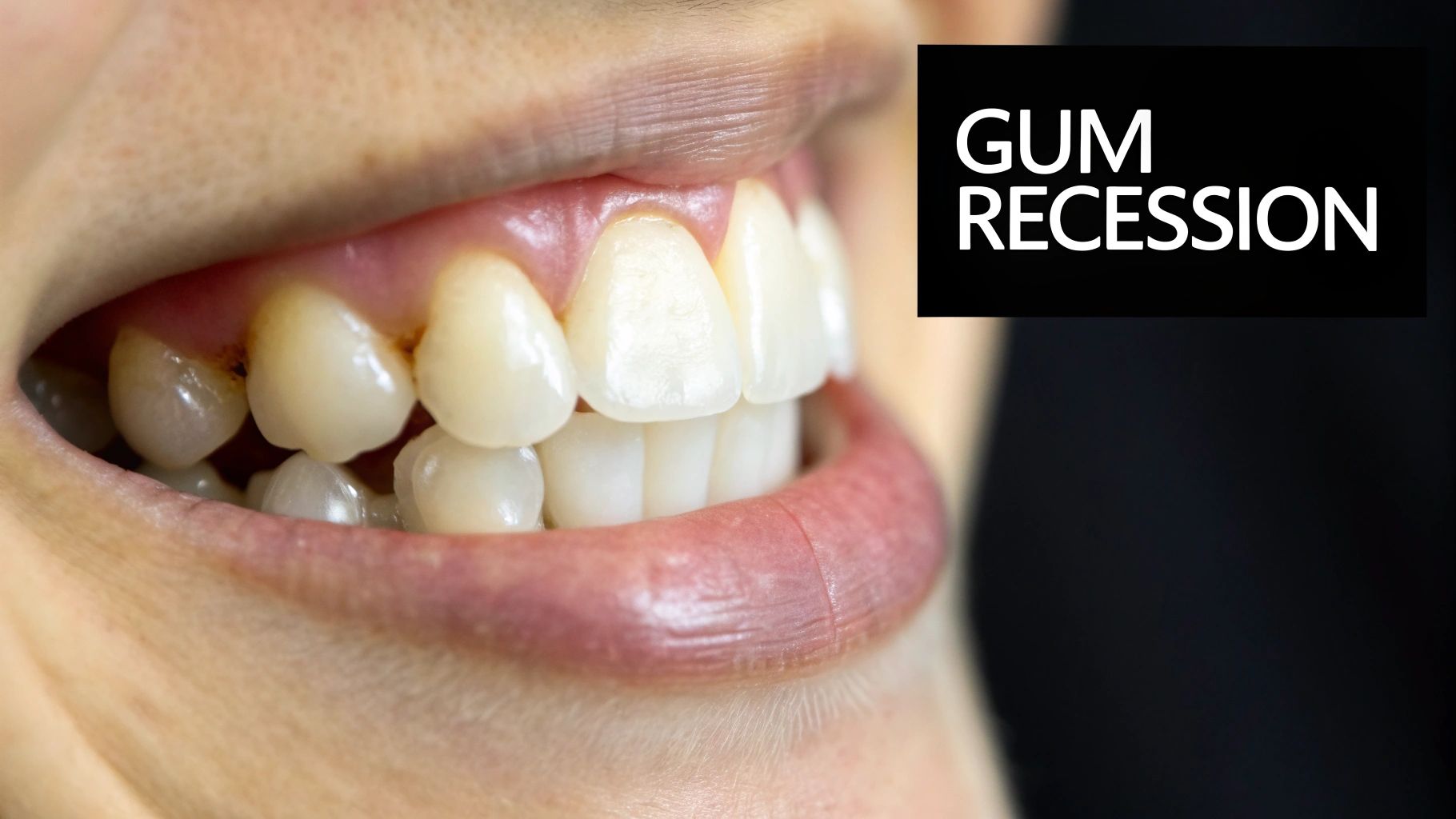
While minor changes in gum contours are expected as your mouth heals and adapts, significant gum recession around a dental implant is a serious concern. This is when the gum tissue pulls away, exposing more of the dental crown or, in advanced cases, the metallic implant post itself. This is a critical dental implant failure sign because healthy gums should form a tight, protective seal around the implant.
Progressive gum recession often points to underlying inflammation, such as peri-implantitis, a destructive disease similar to gum disease that affects implants. It can also be caused by poor oral hygiene, excessive brushing force, or biomechanical stress from an improperly placed implant. This issue compromises both the aesthetics and long-term stability of the implant.
Understanding the Difference: Normal vs. Abnormal Recession
It’s vital to differentiate between normal tissue remodeling and a developing problem that requires intervention.
- Normal Gum Maturation: Following implant placement, especially with All-on-4 dental implants, the gum tissue will naturally settle and mature around the new restorations. This is a subtle, stable process that concludes once healing is complete.
- Abnormal Recession (A Sign of Failure): This involves a continuous, noticeable pulling back of the gums over weeks or months. The gum line around the implant may appear significantly lower or asymmetrical compared to adjacent natural teeth, and you might see the dark, metallic edge of the implant post. This progressive loss of tissue is a clear warning sign.
Actionable Steps for Managing and Reporting Gum Recession
If you notice your gums receding from your implant, taking proactive steps is crucial to prevent further damage and potential implant loss.
- Refine Your Brushing Technique: Immediately switch to a soft-bristled toothbrush and use gentle, circular motions. Aggressive brushing can traumatize the delicate gum tissue and accelerate recession. Ensure you are cleaning thoroughly but not forcefully.
- Contact Your Dentist Promptly: Schedule an appointment with your dental professional in Mexico or your local provider. They need to assess the cause, which could range from an infection to a problem with the implant’s position. Early diagnosis of issues like cysts or inflammation is key; you can explore related gum issues and learn more about gingival health.
- Discuss Treatment Options: Depending on the diagnosis, your Tijuana dentist may recommend specialized treatments. These could include deep cleanings (periodontal therapy), adjustments to your prosthesis, or even a gum grafting procedure to restore the lost tissue and protect the implant.
Whether you’ve invested in a complex full mouth restoration or a single implant, healthy gums are non-negotiable for success. Addressing recession early is the best way to safeguard your smile and your health.
6. Difficulty Chewing or Changes in Bite
A successful dental implant should function just like a natural tooth, allowing you to eat, speak, and smile with complete confidence. When you suddenly experience difficulty chewing, jaw fatigue, or a sensation that your bite has changed, it is a crucial warning and one of the most common dental implant failure signs. This isn’t just a matter of comfort; it points directly to potential problems with the implant’s stability or the prosthetic crown attached to it. The issue may present as an inability to bite into hard foods, a feeling that the implant crown is “high” and hits first, or a general awkwardness when your teeth come together.
These symptoms can indicate that the implant has failed to integrate with the jawbone, has become loose, or that the final restoration (the crown) was not positioned correctly. Ignoring these changes can lead to damage to the implant, opposing teeth, or even the temporomandibular joint (TMJ) due to an imbalanced bite.
Understanding the Difference: Normal Adjustment vs. A Warning Sign
It is vital to distinguish between the initial adjustment period and a genuine mechanical or biological problem.
- Normal Adjustment Period: After a new crown is placed on an implant, it’s common to have a brief period of adaptation. Your bite might feel slightly different for a few days as your mouth gets used to the new tooth. This feeling should resolve quickly.
- Abnormal Bite Changes (A Sign of Failure): This involves a new or worsening sensation of discomfort when chewing. You might notice you’re subconsciously avoiding one side of your mouth or that your jaw feels tired after meals. This is a red flag for both All-on-4 dental implants and single implants and requires immediate professional assessment.
Actionable Steps for Bite-Related Issues
If you notice any persistent changes in your chewing ability or bite alignment, taking methodical steps is essential for a proper diagnosis.
- Document the Specifics: Note what actions trigger the sensation. Does it happen with all foods or only hard or crunchy ones? Does the crown feel high all the time or just when you bite down? This detailed feedback is invaluable for your Tijuana dentist.
- Temporarily Adjust Your Diet: Avoid putting excessive pressure on the implant. Stick to a soft diet and avoid hard, crunchy, or sticky foods until you can be evaluated. This prevents further stress on a potentially compromised implant.
- Schedule an Evaluation Immediately: Do not wait to see if the problem will resolve on its own. A misaligned bite or a loose implant will not fix itself and can cause more significant damage over time. Contact your dental clinic in Mexico to schedule an appointment for a bite adjustment or implant evaluation.
A proper bite is fundamental to the long-term success of any full mouth restoration. If chewing feels wrong, it’s a clear signal that something needs to be addressed to protect your new smile. When considering options, it is helpful to explore all avenues; you can learn more about different tooth replacement options and what to expect from each.
Key Signs of Dental Implant Failure Comparison
| Issue | Implementation Complexity 🔄 | Resource Requirements ⚡ | Expected Outcomes 📊 | Ideal Use Cases 💡 | Key Advantages ⭐ |
|---|---|---|---|---|---|
| Severe or Persistent Pain | Low – patient monitoring | Low – patient self-reporting | Early detection of implant failure, prevents complications | Post-implant surgery beyond 2 weeks | Easily recognizable; prompts timely action |
| Implant Mobility or Looseness | Moderate – requires clinical exam | Moderate – professional checkup | Definitive diagnosis of implant failure; requires urgent care | Routine dental exams; when mobility noticed | Clear, objective sign; allows early intervention |
| Swelling and Inflammation | Low – visible symptom | Low to moderate – patient care | Early indicator of infection or peri-implantitis | Persistent gum swelling post-surgery | Visible and monitorable; manageable if early |
| Pus or Discharge from Implant | Moderate – clinical assessment | High – urgent professional care | Confirms active infection; necessitates aggressive treatment | Presence of discharge or bad odor around implant | Clear infection marker; guides immediate treatment |
| Gum Recession Around Implant | Moderate – clinical evaluation | Moderate – ongoing professional care | Can be stabilized if treated early; may require surgical intervention | Visible or progressing gum recession | Early visual sign; responds to therapy |
| Difficulty Chewing or Bite Changes | Moderate – functional assessment | Moderate – dental adjustment | Identifies mechanical issues; improves function and comfort | Changes in bite or chewing function | Functional indicator; can guide corrective care |
Next Steps: Partnering with Your Dentist for a Lasting Smile
Understanding the potential dental implant failure signs is your first and most powerful line of defense in protecting your investment in a healthy, functional smile. Throughout this guide, we’ve detailed the critical warning signs, from persistent pain and implant mobility to gum inflammation and difficulty chewing. Recognizing these symptoms early is not about causing alarm; it’s about empowering you to take swift, decisive action.
Ignoring a loose implant or dismissing ongoing swelling can turn a manageable issue into a complex problem, potentially leading to bone loss or the complete loss of the implant. The key takeaway is that your vigilance, combined with professional expertise, is the formula for long-term success. Your dental implant is a sophisticated medical device, and like any advanced technology, it requires proper monitoring and care.
Your Action Plan: From Recognition to Resolution
If you experience any of the symptoms discussed, your immediate priority is to contact a dental professional. Do not wait for the problem to worsen. Early diagnosis is crucial for salvaging the implant and preventing more invasive and costly treatments down the line. A specialist can determine the root cause, whether it’s an infection like peri-implantitis, a mechanical issue with the abutment or crown, or a failure of the implant to integrate with the jawbone (osseointegration).
For patients who have invested in significant restorative work, such as All on 4 dental implants or full mouth restorations, this proactive approach is even more critical. These complex procedures require specialized care and maintenance. Seeking a consultation with a dentist experienced in these treatments is non-negotiable.
The Advantage of Expert Care in Mexico
For many patients in the U.S. and Canada, accessing this level of specialized care can be prohibitively expensive. This is where exploring options with a Mexico dentist, particularly in a trusted hub like Tijuana, becomes a strategic advantage. Clinics in Tijuana are renowned for providing high-quality, affordable solutions for complex cases, including salvaging failing implants and performing intricate full mouth restorations with veneers and crowns.
By partnering with a reputable Tijuana dentist, you gain access to:
- Advanced Diagnostics: Top clinics utilize 3D CBCT scanning to get a precise, comprehensive view of the implant, bone, and surrounding tissues, which is essential for accurate diagnosis.
- Specialized Expertise: Many dentists in Mexico are U.S.-licensed or have extensive training in complex implantology, ensuring you receive a world-class standard of care.
- Cost-Effective Solutions: The ability to address dental implant failure signs or plan a complete smile makeover becomes financially attainable, without compromising on the quality of materials or the level of professional skill.
Ultimately, the goal is to maintain the beautiful, confident smile you worked hard to achieve. Being an informed and proactive patient is your greatest asset. By recognizing the signs of trouble and partnering with a trusted dental team, whether locally or in a specialized center like Tijuana, you are taking the most important step toward ensuring your dental implants last a lifetime.
Are you concerned about your dental implant or considering a full mouth restoration? The U.S.-licensed specialists at Trust Dental Care in Tijuana are experts in diagnosing and treating complex implant cases, using advanced technology to ensure the best possible outcomes. Contact Trust Dental Care today to schedule a consultation and take the first step toward securing your lasting smile.