
Full mouth dental implants in Tijuana replace a failing or missing arch with fixed teeth held by four, six, or eight implants. If you are tired of loose dentures or broken teeth, the first useful step is not a sales promise. It is a written plan that shows what is included, how many visits you need, and what the published fee list says. This guide explains full mouth dental implants cost at Trust Dental Care and the difference between a complete package and placement-only fees. It also covers the visit sequence, safety checks, and aftercare for patients traveling from the United States.
How much do full mouth dental implants in Tijuana cost?
Full mouth dental implants in Tijuana cost from $10,499 to $15,699 for a complete package at Trust Dental Care. All-on-4 starts at $10,499, All-on-6 at $13,499, and All-on-8 at $15,699. These figures come from the clinic’s dental prices in Tijuana fee list. Placement-only fees start at $3,196 and are listed separately, so you can compare like with like.
| Option | Complete package (fee list, USD) | Placement only (fee list, USD) |
|---|---|---|
| All-on-4 (4 implants) | $10,499 | $3,196 |
| All-on-6 (6 implants) | $13,499 | $4,794 |
| All-on-8 (8 implants) | $15,699 | $6,392 |
| Bone grafting, when needed | Listed in the package when indicated | $399 |
| Simple extraction, per tooth | Listed in the package when indicated | $120 |
Fees are taken from the published fee list and confirmed in your written treatment plan before any work begins. Your plan states whether one or both arches are included.
What does a complete package include compared with placement-only?
A complete package includes surgery and the final teeth, compared with placement-only, which includes only the implant surgery. On the fee list, the All-on-4 complete package includes extractions, bone grafting if needed, the implants, a temporary denture, multi-unit abutments, and the final denture. A placement-only fee leaves the abutments and final teeth for a separate quote.
This difference is a common source of surprise when people compare clinics. A low number in an ad can describe placement-only work. Before you book travel, ask any clinic, in Mexico or at home, to label each quote as complete package or placement-only. Ask it to list every phase the quote covers.
How do All-on-4, All-on-6, and All-on-8 differ?
All-on-4, All-on-6, and All-on-8 differ in how many implants support one arch of fixed teeth: 4, 6, or 8. More implants spread chewing forces across more anchor points, but they also need more available bone. All-on-4 is designed for arches with reduced bone, while All-on-6 and All-on-8 suit arches with more bone volume.
The choice is clinical first and budget second. Your dentist reviews your bone, bite, and health history, then explains which options fit your mouth. For a side-by-side decision guide, read All-on-4 vs All-on-6 vs All-on-8: how to choose. For the wider treatment overview, see dental implants in Tijuana.
How does Trust Dental Care plan a full-arch case?
At Trust Dental Care, every full-arch case starts with an in-person consultation that costs $60 and includes an evaluation, full X-rays, and intraoral photos. Dr. Cirenia Aparicio Miranda, a member of the American Academy of Cosmetic Dentistry (AACD), reviews the findings and prepares a written plan. Each line of that plan is matched to the published fee list and labeled as complete package or placement-only. That way, you can see what drives the total before surgery.
If you want to share photos and records before traveling, a virtual consultation is available. The clinic’s team can help you file claims with U.S. PPO insurers, depending on your plan. These include Delta Dental, Cigna, Aetna, MetLife, Guardian, Humana, United Healthcare, Principal, and Ameritas. Coordinators also arrange transportation from the border and help you book a hotel near the clinic, which sits near the San Ysidro border.
What does a typical visit sequence look like?
A typical visit sequence looks like 6 steps grouped into 2 clinical blocks, from consultation to follow-up. Use this sequence as a planning guide; your dentist adapts it after the exam.
- Consultation: goals, medical and dental history, full X-rays, and intraoral photos.
- Written plan: implant count, arches treated, and each fee-list line agreed before surgery.
- Surgery: extractions if needed, implant placement, and a temporary denture when the case allows.
- Healing: a healing interval set in your plan, with check-ins and hygiene coaching for the temporary teeth.
- Final teeth: try-in, bite adjustment, and delivery of the final fixed denture.
- Follow-up: a documented schedule and a clear way to contact the clinic once you are home.
How many trips should you plan?
You should plan 2 trips in most full-arch cases: one for surgery and one for the final teeth after healing. The exact number of nights depends on how many arches are treated and how your healing progresses. Leave extra time for the border crossing on surgical days.
What changes the final price of a full mouth case?
The final price depends on the option chosen, the number of arches, and any added procedures your exam shows you need. These are the main factors:
- One arch or two. Treating both arches adds a second package line.
- Bone condition. Grafting is added only when bone volume is not enough for the planned implants.
- Extractions. Teeth that must be removed are listed per tooth when they are outside a package.
- Prosthetic material. Your quote should name the material of the final teeth.
- Other dentistry. Crowns, veneers, or other treatment in the same plan are listed as separate lines.
Who is a good candidate for full mouth implants?
A good candidate for full mouth implants is an adult who meets 3 conditions: enough jawbone, controlled gum disease, and stable general health. Bone that is too thin can often be rebuilt before placement. You also need to commit to cleaning around a fixed prosthesis every day. Uncontrolled diabetes, heavy smoking, or an active infection may require care before surgery. The FDA guide to dental implants notes that uncontrolled diabetes can raise the risk of infection and that smoking can delay healing. If you already have implants or a failing hybrid bridge, bring your prior records, since existing hardware changes the plan.
Full-arch treatment is not the answer for everyone. Bridges, partial dentures, or a few implants may solve a smaller problem, and your dentist should tell you when a full-arch package is not indicated.
How can you check safety before you book?
You can check safety before you book by asking the clinic for these 5 items in writing, rather than relying on ads. A careful clinic welcomes the questions:
- The dentist’s professional license (cédula profesional) and any memberships the clinic lists.
- A written, step-by-step plan before major surgery.
- Sterilization and instrument processing explained in plain language.
- Before-and-after cases with starting conditions similar to yours.
- Written terms for follow-up care and for repairs to the prosthesis.
A safe process works like a partnership: a first conversation about goals, a plan built around your mouth, and treatment carried out step by step. That approach works well when each step is written down. For general implant education, see the American Dental Association guide to dental implants. For travel planning, read about Tijuana dental tourism.
How should you care for full-arch implants at home?
Home care for full-arch implants is daily cleaning around the fixed teeth plus regular maintenance visits. Home care usually includes a water flosser or floss threaders and a non-abrasive toothpaste. If a screw feels loose, a tooth chips, or the bite feels high after you return home, send clear photos to the clinic. The team reviews them and schedules a visit. Keep your written plan and receipts in one place for faster follow-up and insurance claims.
How do you plan your consultation?
Planning your consultation takes 3 steps: gathering photos and prior X-rays, listing your questions, and contacting the clinic. Ask about complete package versus placement-only, the number of trips, and how each fee-list line matches your plan. You can request your written treatment plan through the contact page.
What does the in-person consultation include?
It includes an evaluation by the dentist, full X-rays, and intraoral photos. The findings are used to prepare your written treatment plan, matched line by line to the fee list.
Can I start with a virtual consultation?
Yes. A virtual consultation is available, so you can share photos, prior X-rays, and your goals before you travel. The dentist confirms the final plan after examining you in person.
Does U.S. dental insurance help pay for full mouth implants?
It can, depending on your plan. The clinic works with PPO insurers such as Delta Dental, Cigna, Aetna, MetLife, Guardian, Humana, United Healthcare, Principal, and Ameritas, and helps you file the claim.
Can I treat one arch first and the other later?
Often, yes. Your written plan can stage one arch at a time when your health and bite allow it. Your dentist explains how staging affects the number of visits and the total.
Is bone grafting always needed for full-arch implants?
No. Grafting is added only when your bone volume is not enough for the planned implants. Your dentist decides after the exam and imaging, and it appears as a separate line on your plan when needed.
How do I get from San Diego to the clinic?
You get from San Diego to the clinic with free transportation from the border, arranged by the clinic. The team can also help you book a hotel. Plan extra time for the crossing, especially on surgical days.
Which payment methods does the clinic accept?
The clinic accepts cash, Visa, MasterCard, and American Express. Your written plan shows the total for each phase before treatment begins.
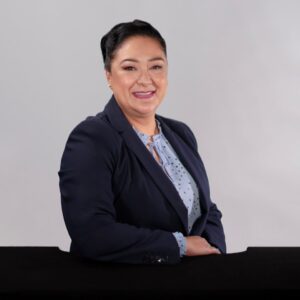
U.S.-licensed dental surgeon · Mexico professional license #33592067 · Active member, American Academy of Cosmetic Dentistry (AACD) since 2009 27+ years of clinical practice.
This article is for general information. It does not diagnose your case and does not replace an in-person exam, CBCT review, and a written treatment plan.