
Even careful brushers can develop cavities. Decay does not pause while you wait for a quieter week. Treating cavities early usually means a smaller repair; delay lets bacteria move from enamel into dentin and, eventually, toward the pulp—where pain, infection, and more invasive care become more likely.
This guide explains how cavities form, the three clinical stages clinicians watch for, what treatment may look like by stage, and which prevention habits still help. It is general education—not a diagnosis. Your exam and images decide what applies to your teeth.
How Trust Dental Care stages caries (Information Gain): In clinic, we start with a focused exam and imaging review under U.S.-licensed oversight, then write a sequenced restorative plan before any filling, root canal, or crown is scheduled. The published fee-list anchor for a comprehensive exam with X-rays and a treatment plan is listed at $60 on our dental prices in Tijuana page; we match line items to your written plan rather than quoting undocumented filling fees. That staging-first habit is how we keep recommendations tied to what we see on your films—not to a one-size slogan.
Why treating cavities early matters
Tooth enamel can demineralize quietly. Many early lesions cause little or no pain, so people postpone care until cold sensitivity, spontaneous ache, or a visible hole appears. By then, the restorative path is often wider: more tooth structure removed, longer visits, and a higher chance of pulp therapy.
Acting when a clinician first flags demineralization or a small cavitated lesion tends to preserve enamel and dentin. That is the practical reason treating cavities cannot wait—not fear marketing, but tissue biology. If you already feel lingering sensitivity to cold or sweets, or you see a dark pit, book an evaluation sooner rather than “watching it” for months.
Early visits also make travel planning simpler. When only a single surface is involved, many patients complete restorative care in one sequenced appointment after imaging; when pulp therapy enters the plan, you want that timeline in writing before you cross the border.
How cavities form
Everyone carries oral bacteria. Problems start when acids from those bacteria stay on tooth surfaces long enough to dissolve minerals. Common contributors include:
- Sticky or frequent sugars and starches — items such as candies, cookies, chips, sodas, and sweetened drinks cling to pits and grooves longer than foods cleared quickly by saliva.
- Dry mouth (xerostomia) — saliva buffers acid and clears debris. Medications, certain medical conditions, head-and-neck radiation, and some chemotherapy drugs can reduce saliva and raise decay risk.
- Incomplete plaque removal — brushing twice daily helps; missing contact areas or rushing after meals lets plaque mature into a sticky film that keeps acids against enamel.
- Limited fluoride exposure — fluoride helps remineralize early enamel lesions. Using fluoride toothpaste (and, when recommended, a fluoride rinse or professional varnish) supports that repair window. Community tap-water fluoride varies by city, so do not assume bottled water or every local supply offers the same protection.
Three stages of tooth decay
Clinicians often describe progression in three practical stages. Exact wording varies, but the tissue pathway is consistent:
| Stage | What changes | Typical symptoms | Usual care direction |
|---|---|---|---|
| 1 — Enamel attack | Plaque acids demineralize enamel; white or chalky spots may appear; plaque can harden into tartar that shelters bacteria | Often silent; mild roughness or spots on exam | Hygiene coaching, fluoride, monitoring; small restorations if cavitation begins |
| 2 — Dentin involvement | Acids and bacteria reach softer dentin after enamel breaks; tubules connect toward the nerve | Sensitivity to cold, sweet, or air; visible pits | Typically a filling once decay is cleaned; protect remaining structure |
| 3 — Pulp involvement | Infection or inflammation reaches the pulp (nerves and vessels); may extend toward supporting bone | Lingering or spontaneous pain; biting pain; swelling in some cases | Often root canal therapy and a crown; extraction only when the tooth cannot be predictably saved |
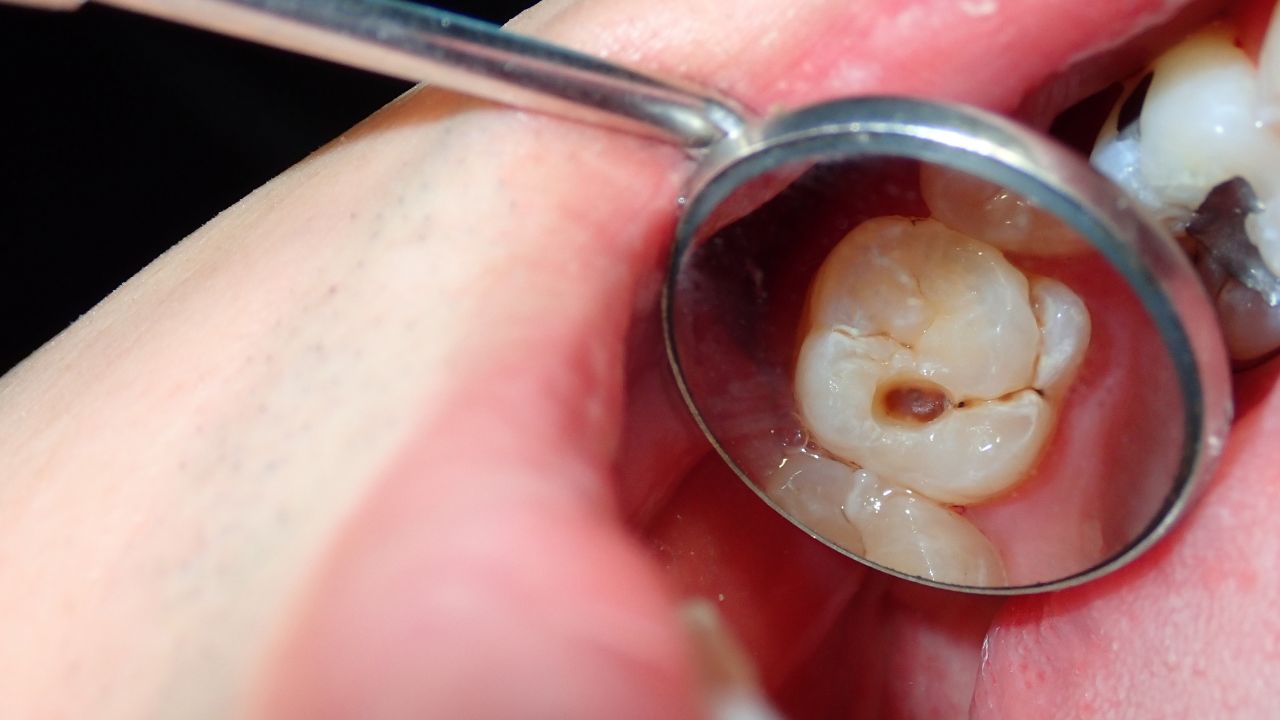
What treatment may look like by stage
Care is staged to the tissue involved—not to a menu of upsells. A typical clinical path looks like this:
- Confirm stage — exam, bitewings or other radiographs as indicated, and a clear note of symptoms.
- Remove or arrest decay — for many mid-stage lesions, that means cleaning the decay and placing a filling. Composite/resin filling fees are not published as a standalone line on our current fee list, so we do not invent a dollar figure here; your written plan will list the restorative item once confirmed against the live price page.
- Protect the pulp when it is involved — if bacteria reach the pulp, root canal therapy may be recommended. On the published list, root canal treatment is listed at $350 (confirm the tooth type and any adjunctive items on your plan).
- Restore strength when structure is weak — after large decay or pulp therapy, a crown often protects what remains. Published E-max / zirconia crown anchors start from $599 / $650 on the fee list; see dental crowns in Tijuana for procedure context.
- Review prevention and recall — home care and checkup timing matter as much as the restoration itself.
Always re-check the live dental prices in Tijuana list before you travel. Figures above are fee-list anchors, not personalized quotes.
Risks of waiting
As decay deepens, appointments tend to get longer and more complex. A small filling path can become pulp therapy plus a crown. Untreated infection can lead to an abscess; severe dental infections sometimes require urgent medical attention, especially if swelling spreads or you feel systemically unwell—seek prompt care rather than waiting out escalating symptoms.
Waiting also costs chewing comfort and sleep when night pain starts. Patients often tell us that delayed care complicated eating and concentration; we treat that as a planning cue, not as a prediction of any particular outcome.
Prevention habits that still help
Prevention does not replace treatment for a true hole in enamel, but it lowers new-lesion risk and supports remineralization of early spots:
- Brush twice daily with fluoride toothpaste; add a thorough clean after sugary meals when you can.
- Floss or use interdental cleaners once daily before brushing so paste reaches cleared contacts.
- Consider a fluoride mouth rinse if your dentist agrees it fits your risk level.
- Ask whether sealants make sense for deep grooves on molars.
- Limit frequent snacking and acidic or sugary sips that keep acids in the mouth.
- Stay hydrated; discuss dry-mouth strategies if medications reduce saliva.
- Keep professional cleanings and exams on the schedule your clinician recommends.
- Talk with your dentist about in-office fluoride when you have active white-spot risk.
Planning care from San Diego
Many patients map a same-day or short-stay visit across the border for restorative dentistry. Bring recent radiographs when available, a medication list, and notes on sensitivity or swelling. Our general dentistry in Tijuana team can sequence fillings and related care after staging; if pulp therapy is likely, we will say so in the written plan before you commit travel days.
Next step — written plan and fee-list review
If you already know a cavity is present—or you suspect one—request a consult so we can stage the tooth and align fees to published line items. Contact Trust Dental Care with photos or X-rays when you have them. You will leave with a clearer path: what can wait only days, what should not wait weeks, and which fee-list anchors apply to your case.