
If a dentist in the United States has quoted you for an implant, you already know the moment: the treatment plan is clinically sound, but the total is hard to justify for a single tooth — and overwhelming for a full-arch case. That gap is why implant treatment is the most researched procedure in dental tourism between San Diego and Tijuana. This guide lays out what dental implants cost in Tijuana on a published fee list, what a trustworthy quote should include, which factors move the final number, and how to plan the trips so the savings survive the travel budget.
How Much Do Dental Implants Cost in Tijuana?
On the published fee list at Trust Dental Care, a single implant placement is listed at $799, and a complete implant — placement, abutment, and crown — at $1,999. Full-arch options start at $10,499 for an All-on-4 complete package. In the United States, a single implant with its crown commonly runs $3,000 to $6,000 depending on the city and the practice.
| Treatment | Trust Dental Care fee list | Common U.S. quote range |
|---|---|---|
| Single implant placement (implant only) | $799 | $1,500–$3,000 |
| Complete implant (placement + abutment + crown) | $1,999 | $3,000–$6,000 |
| 4 implants placement only | $3,196 | varies by practice |
| All-on-4 complete package | $10,499 (financing from $450/month) | often $20,000–$30,000+ per arch |
| All-on-6 complete package | $13,499 | often $25,000–$35,000+ per arch |
| Bone graft (when needed) | from $399 | $300–$3,000 depending on extent |
U.S. figures are general market ranges, not quotes for any specific practice. Fees at Trust Dental Care are set by the published fee list and confirmed in a written treatment plan before any work begins.
Placement-Only vs. Complete Package: Read the Quote Carefully
The single biggest source of confusion in implant pricing is what the number actually covers. A low advertised price is often the placement only — the titanium fixture in the bone. The abutment that connects it and the crown you actually chew with are billed separately. A complete package bundles placement, abutment, and crown into one figure.
Neither model is wrong, but comparing a placement-only price from one clinic against a complete price from another produces a misleading conclusion — and comparing either against a full-arch package like All-on-4 produces a meaningless one. When you request a quote, ask which of the two models the number represents, and ask for the itemized total either way.
What Should an Implant Quote Include?
A quote that shows only a price per implant is incomplete. Before comparing clinics, confirm whether the number covers every step. A complete implant quote should state, in writing:
- Diagnosis and imaging. Clinical exam plus 3D imaging (CBCT) used to plan implant position and measure bone volume.
- The implant placement surgery. Including anesthesia and the implant fixture itself, with the brand identified.
- The abutment and crown. The connector and the final restoration, in the material you agreed on.
- Laboratory work. Fabrication of the crown or prosthesis. Trust Dental Care operates its own in-house laboratory, which keeps the lab fee inside the package instead of as a third-party surcharge.
- Additional procedures if needed. Bone grafting or extractions, quoted separately and upfront when indicated.
- Follow-up. Post-operative checks and what is covered if the restoration needs adjustment after you return home.
Which Factors Change Your Final Price?
Two patients rarely pay the same total, even at the same clinic. The variables that matter most:
- Bone condition. If bone volume is insufficient, grafting adds to the plan before an implant can be placed.
- Number of implants. Per-unit cost drops in multi-implant and full-arch plans.
- Implant brand and prosthetic material. Established implant systems and monolithic zirconia cost more than generic fixtures and porcelain-fused-to-metal, and the difference is worth understanding rather than hiding.
- Imaging and planning technology. CBCT-guided planning is part of a modern implant workflow; confirm it is included rather than billed as an extra.
Does the implant brand matter?
Yes — and a serious clinic will name the brand in the quote rather than describe it as “titanium implant.” Established systems carry decades of published clinical data and, just as important, global availability of compatible parts: if you ever need a component serviced years later in another country, a recognized system is far easier to maintain. Ask for the brand, the crown material, and whether the restoration comes from an in-house or third-party laboratory.
Why Do Implants Cost Less in Tijuana?
The price difference is structural, not a quality discount. Operating costs — rent, staffing, laboratory overhead, insurance — are lower in Mexico, and the exchange rate amplifies the gap for patients paying in dollars. Clinical variables that determine outcomes, such as the implant system used, the imaging, the surgeon’s training, and the laboratory work, are the same variables you would evaluate in San Diego. The right question is not whether Tijuana is cheaper, but whether a specific clinic can document those variables. That is what credentials, published fee lists, and written treatment plans are for.
Planning the Trip from San Diego
Trust Dental Care is located in Tijuana’s Zona Río, roughly 45 minutes from San Diego, CA, and minutes from the San Ysidro border crossing. Most patients drive to the border and cross on foot or use the clinic’s shuttle coordination. For budgeting, add transportation and, for multi-day surgical phases, one or two nights of lodging — still a small fraction of the treatment savings on anything beyond a single implant. The side-by-side cost comparison with U.S. treatment walks through the math in more detail.
How Many Trips Does Implant Treatment Take?
Plan on two phases. The first visit covers diagnosis, CBCT imaging, and implant placement. After a healing period — typically three to six months while the implant integrates with the bone — a second visit delivers the abutment and final crown. Some full-arch protocols compress this differently, and your treatment plan should state the expected number of visits before you commit.
Insurance, HSA/FSA, and Payment Options
Most U.S. dental plans classify implants as elective or cap benefits well below the total, and coverage abroad varies by insurer. Some plans reimburse out-of-network care received in Mexico with proper documentation — ask your insurer before traveling, and ask the clinic for an itemized receipt in English. HSA and FSA funds can generally be applied to implant treatment under plan rules. For larger cases, the clinic’s published financing (All-on-4 packages from $450/month) spreads the cost without changing the fee-list total.
The Bottom Line
Implants in Tijuana are not a gamble on quality — they are an arbitrage on operating costs, and the savings are large enough to survive travel, lodging, and time off work. The clinic that deserves your case is the one that publishes its fees, separates placement-only from complete pricing, identifies its implant brands, and puts the whole plan in writing. If you want that conversation, request a free quote with a CBCT scan and compare the numbers yourself. For a full view of the clinic’s implant services, see the dental implants treatment page.
How much can I save on dental implants in Tijuana compared to San Diego?
Savings depend on the case, but patients commonly pay half or less of comparable U.S. quotes, even after travel costs. The clinic’s published fee list shows exact rates for single implants and full-arch packages, so the comparison can be made before traveling.
Is it safe to get dental implants in Tijuana?
Safety depends on the clinic, not the city. Verify the surgeon’s credentials, ask which implant brand and imaging technology are used, and confirm the treatment plan is delivered in writing. Clinics that publish their fees and identify their materials make that verification easier.
What implant brands are used in Tijuana?
Reputable clinics use established international implant systems and will name the brand in the quote. Ask for the brand and crown material in writing; a recognized system also makes future maintenance easier if you ever need service in another country.
How many trips to Tijuana do I need for a dental implant?
Most cases require two visits: one for diagnosis, imaging, and placement, and a second for the abutment and final crown after a healing period of roughly three to six months. Patients from San Diego typically make each visit as a day trip.
Does U.S. dental insurance cover implants in Mexico?
Coverage varies by plan. Many insurers reimburse out-of-network care abroad with proper documentation, and HSA or FSA funds may apply under your plan’s rules. Ask your insurer before traveling and request an itemized receipt in English from the clinic.
What is the difference between placement-only and a complete implant package?
Placement-only pricing covers the implant fixture in the bone; the abutment and crown are billed separately. A complete package bundles all three. Always confirm which model a quote uses before comparing prices between clinics.
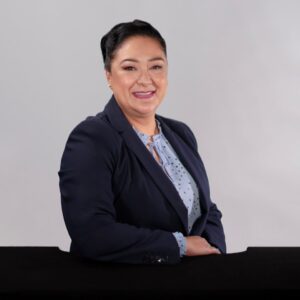
U.S.-licensed dental surgeon · Mexico professional license #33592067 · Active member, American Academy of Cosmetic Dentistry (AACD) since 2009 27+ years of clinical practice.
This article is for general information. It does not diagnose your case and does not replace an in-person exam, CBCT review, and a written treatment plan.