
If you are researching dental care across the border, the decision is rarely about a fee alone. You want to know who will treat you, which credentials you can verify, and whether the planning process will feel familiar if you are coming from California, Arizona, or elsewhere in the United States. That is why patients look up Dr. Cirenia Aparicio Miranda before they book: she is a US-licensed dentist practicing in Tijuana, minutes from San Diego, with Mexico credentials and long-standing cosmetic membership that Americans can evaluate before they travel.
At Trust Dental Care, the same pattern shows up often. People are open to Tijuana because care can be more affordable than many U.S. quotes, but they move forward when credentials, communication, and a written plan feel clear. Dr. Cirenia’s background—U.S. dental licensure, Mexico dental license #33592067, and AACD membership since 2009—gives that baseline without asking patients to trust a website on presentation alone.
Why Americans look for a US-licensed dentist in Tijuana
A common gap in dental-tourism research is this: people compare prices before they compare accountability. For American patients, that order can reverse once the case is complex. A lower fee feels sensible when documentation, consent, imaging, and follow-up still match the standards you expect at home.
When someone calls from San Diego, Orange County, Phoenix, or farther north, the first questions sound logistical—border timing, stay length, insurance paperwork. Underneath is a simpler question: will I be in good hands? Dr. Cirenia Aparicio Miranda is presented as a clinician whose qualifications make sense to patients evaluating care near San Ysidro, not as a vague “tourist dentist” label.
Practical rule: the safer choice is usually not the cheapest quote. It is the provider whose credentials are easiest to verify and whose process is easiest to understand. If you are still comparing clinics, start with our guide on how to choose a dental clinic in Tijuana, then review the clinic overview for a dentist in Tijuana at Trust Dental Care.
Meet Dr. Cirenia Aparicio Miranda: credentials you can check
How do you judge a dentist in another country when you cannot rely on local word of mouth or a quick drive-by visit? For many U.S. patients, the answer starts with credentials they can verify and experience they can understand.
Dr. Cirenia Aparicio Miranda, DDS, brings a profile that American patients recognize:
- U.S. dental license (verifiable professional standing familiar to U.S. patients)
- Mexico dental license (cédula) #33592067
- American Academy of Cosmetic Dentistry (AACD) membership since 2009
- More than 27 years in clinical practice
- Focus on implants, veneers, crowns, and full-mouth rehabilitation
Patients do not need a long list of titles. They need to know what those titles mean for their case. AACD membership and U.S. licensure matter most when the dentist must balance appearance, bite function, and long-term stability—not just finish a single appointment.
How complex cases are planned at Trust Dental Care (information gain)
Before implant placement or full-arch sequencing, Dr. Cirenia reviews CBCT imaging together with the restorative plan—implant position, bone volume, bite, and the provisional or final teeth that will sit on that foundation. Surgical and restorative steps are coordinated in one clinic workflow so patients are not left guessing which team owns which visit. Across her career she has completed restorative and implant case volume in the four-digit range, which shapes how staging, grafting decisions, and same-day provisional options are discussed: useful when appropriate, deferred when tissue or bite stability says wait. That planning detail is what patients feel in the consult—clear sequencing, written options, and fewer surprises after they cross the border.
What a U.S. dental license changes for the patient
A U.S. dental license matters because it turns an abstract promise into something patients can understand. Training expectations feel familiar. Documentation tends to be clearer when you are coordinating records or out-of-network reimbursement. Communication is often more direct: realistic timelines, plain language, and consent that matches what U.S. patients expect for aesthetics and function.
What it does not mean: that every dentist without a U.S. license is unqualified. Many clinicians in Mexico are skilled and experienced. What a U.S. license does add is one more standard you can verify yourself when you are deciding from outside the country, often after a website review, a phone call, and a short trip from the San Diego side of the border.
Another useful filter is how clinics explain risk and treatment. Patient stories and recurring themes are covered in our Trust Dental Care Tijuana reviews from US patients roundup—use them as context, then confirm fit in a consult.
Implants, veneers, and full-mouth work: judgment before speed
A license builds confidence. Case selection and sequencing keep that confidence intact once treatment begins. Dr. Cirenia handles the case types that often make Americans hesitate before booking: missing teeth, failing older crowns, worn bites, cosmetic concerns, and full-mouth breakdown.
Implants. Treatment starts with diagnosis, not a price quote. For single implants, multiple implants, or full-arch replacement, the question is whether bone, bite, gum condition, and the restorative plan support a stable result. Long-term tooth loss can reduce bone volume; older bridgework can hide bite problems. Digital imaging and preoperative planning decide whether immediate treatment or a staged approach is safer. Same-day provisional teeth can be a good option in the right case—and the wrong choice when tissue is unstable.
Veneers and crowns. Patients usually want work that looks natural in daylight and conversation—not teeth that look bright in a photo. Shade, shape, proportion, gum display, and bite all matter. Some patients need veneers on a limited number of teeth; others are better served by crowns, contouring, whitening, or a phased plan that protects healthy enamel. A careful cosmetic dentist also knows when to revise a requested look that would appear bulky or artificial.
Full-mouth rehabilitation. These cases can involve extractions, provisionals, implants, crowns, bite adjustment, and cosmetic finishing over multiple visits. Trade-offs are practical: fixed vs removable options, immediate temporaries vs staged healing, appearance vs function, and how much preparatory work the mouth needs before final teeth. Patients are guided toward the plan that makes clinical sense—not pushed toward the largest treatment package by default.
For published line items on implants, crowns, and related fees, see the live dental prices in Tijuana fee list and confirm figures before you travel. Quotes for complex cases still depend on CBCT findings and a written plan.
Credentials and clinic support at a glance
Trust starts with the doctor; the environment around the doctor matters too. Border access, bilingual coordination, imaging, and lab support affect whether a multi-visit case feels predictable.
| Area | What it means for patients |
|---|---|
| U.S. dental license | Familiar training and documentation standards for American patients evaluating care in Tijuana |
| Mexico license #33592067 | Local professional registration (cédula) you can ask the clinic to confirm |
| AACD membership since 2009 | Long-term focus on cosmetic and restorative standards beyond a single procedure |
| CBCT and digital planning | Implant positioning, diagnostic review, and limits identified before surgery |
| In-house lab coordination | Closer work on fit, shade, and revisions for crowns, veneers, and implant restorations |
| Cross-border patient support | Scheduling, transportation timing, and post-op communication for multi-visit cases |
What patients often notice after the first consult
Most patients do not arrive fully certain. They arrive hopeful and cautious—and that is normal. Themes that come up repeatedly include border logistics that felt simpler than expected, consultations that felt educational rather than pushy, English communication that was easy to follow, and treatment options explained with trade-offs instead of a single sales pitch.
A patient from Southern California may have delayed care because local estimates felt out of reach. What changes the decision is often clarity: what happens first, what can wait, and why. Another patient may worry that cosmetic work in Mexico will look artificial; those patients usually care more about natural-looking detail than flashy promises. Implant patients often relax once they understand the timeline and know they are not being rushed into the wrong option.
Book a consult with Dr. Cirenia
If you are considering implants, veneers, crowns, or a full-mouth restoration, start with a case review. Ask the practical questions. Find out what your mouth needs, how many visits may be required, and what a written plan is likely to include. Call (619) 866-6060 to schedule a consultation with Dr. Cirenia Aparicio Miranda at Trust Dental Care in Tijuana, minutes from San Diego—or book online through the clinic site.
Frequently Asked Questions
Yes. Dr. Cirenia Aparicio Miranda, DDS, holds a U.S. dental license and practices at Trust Dental Care in Tijuana, minutes from San Diego. She also holds Mexico dental license #33592067 and has been an AACD member since 2009.
Ask for U.S. license details where held, Mexico cédula #33592067, AACD membership status, and how CBCT imaging is used for your case. Verifiable credentials plus a written plan matter more than marketing claims.
Her work centers on cosmetic and restorative cases—implants, veneers, crowns, and full-mouth rehabilitation. These treatments involve planning decisions that affect fit, function, appearance, healing time, and long-term maintenance.
Often, patients notice it in how the consultation is handled, how records are discussed, and how options are presented. The setting is still Tijuana with cross-border logistics, but many people find the documentation and communication style familiar.
Yes. A consultation is the right place to start, especially for implants or a full-mouth case. You can review images, discuss what is realistic, understand visit count, and decide whether the plan fits your timeline before committing.
For many patients, yes. Tijuana is close enough that some prefer cross-border care over flying elsewhere for specialty dentistry. Still plan for border timing, identification, medications, and recovery between visits.
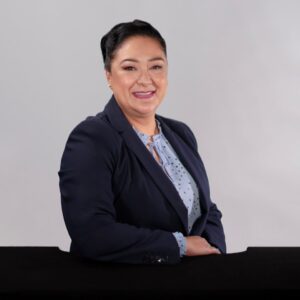
U.S.-licensed dental surgeon · Mexico professional license #33592067 · Active member, American Academy of Cosmetic Dentistry (AACD) since 2009 27+ years of clinical practice.
This article is for general information. It does not diagnose your case and does not replace an in-person exam, CBCT review, and a written treatment plan.