
For many people in California, an affordable dentist may be just across the border. Below are five reasons patients choose dental work in Mexico, what your visit looks like, and what to check before you book.
1. How much can you save on dental work in Mexico?
Savings depend on the treatment you need. At Trust Dental Care, an exam with X-rays starts from $60 and a single implant placement from $799, as of October 2026. Many patients use those savings to finish care they had postponed.
Sample fees from our fee list
Sample fees come from our Dental Prices Tijuana fee list. They give you a realistic starting point before your exam.
Your written plan confirms the final cost. It lists each treatment and visit so nothing is left unclear.
Keep the table handy when you compare offers from other offices.
| Treatment | Listed fee (USD) |
|---|---|
| Comprehensive exam + X-rays + treatment plan | $60 |
| Simple tooth extraction | $120 |
| Wisdom tooth extraction | $219 |
| Basic cleaning / deep cleaning (full mouth) | $60 / $200 |
| E-max crown / zirconia crown | $599 / $650 |
| Dental implant (placement only) | $799 |
| 4 dental implants (placement only) | $3,196 |
| All-on-4 complete package | $10,499 |
How do package quotes work?
They bundle several steps into one price. The All-on-4 complete package includes extractions, four implants, temporary and final teeth, and round-trip transport from San Diego.
“Placement only” quotes cover just the implant posts. The abutment and crown are separate lines added later.
When you compare with a U.S. estimate, match the same items line by line. That shows the real difference.
Does a lower price mean lower quality?
No, a lower price does not automatically mean lower quality. Lower rent, wages, and lab costs explain much of the difference.
What matters is the dentist’s training, the materials, and how carefully your care is planned. Those are the points to check.
A clinic that answers these questions openly is usually one you can trust with your treatment. The CDC guide to medical tourism adds a short list of safety questions to ask before you book.
2. Is the quality of dental care in Mexico comparable?
Yes, dental care in Mexico can be comparable in quality, but it varies by clinic, just as it does in the U.S. Many Mexican dentists train at national universities and add specialty courses. Verifying the dentist’s license, training, and materials before treatment is the safest approach.

Licenses and training to verify
Every dentist in Mexico holds a professional license number, called a cédula profesional. Ask for it and for any specialty training in your procedure.
License numbers can be checked in Mexico’s public registry. A clinic that shares them without hesitation is a good sign.
Ask who will actually treat you. That should be the dentist whose training you reviewed.
Materials and labs
The materials and labs a clinic uses shape how long your work lasts. Ask which implant systems, crown materials, and labs are part of your plan.
Brand names and lab details let you research on your own. They also make future repairs easier for any dentist.
A clear answer shows the team is comfortable with your questions and proud of its work.
How do you know if a dentist is a good fit?
You know a dentist is a good fit when you feel heard and the plan makes sense to you. Your questions should get clear, patient answers.
A good fit also means honest options, including when treatment can wait. Pressure to decide fast is a reason to pause.
At Trust Dental Care, clinical care is led by Dr. Cirenia Aparicio Miranda, who reviews plans for cross-border patients.
3. How close is Tijuana for California patients?
Tijuana is close enough for many Californians to visit in a day. The clinic sits in Zona Río, a short ride from the San Ysidro crossing, so patients from San Diego can often arrive in under an hour. That makes staged treatment, like implants, easier to plan.

Getting there from San Diego
Getting there from San Diego is simple for most patients. You can drive, walk across, or use clinic transportation from the border.
A coordinator can set up a pickup time so you do not have to find your way alone. That helps on your first visit.
Plan to arrive a little early. Border traffic varies by day and time.
Crossing back into the U.S.
Crossing back into the U.S. requires a valid passport, passport card, or other approved document. Bring it on every trip.
Wait times change through the day. The team explains the Medical Fast Pass lane, which can shorten your return after treatment.
If you had sedation or surgery, arrange for someone else to drive. Your comfort and safety come first.
4. Can you use insurance or financing in Mexico?
Yes, insurance and financing can both help with dental work in Mexico. Some U.S. PPO plans reimburse out-of-network care abroad, and Trust Dental Care works with plans such as Delta Dental, Cigna, Aetna, and MetLife. Your insurer always decides the benefits you receive.
Using a U.S. PPO plan
Using a U.S. PPO plan abroad usually means paying first and submitting a claim. Out-of-network benefits vary, so check before treatment.
Keeping clear records makes reimbursement smoother. Ask the clinic for itemized receipts with treatment codes.
Steps to follow:
- Call your insurer and ask about out-of-network care abroad.
- Request an itemized plan with treatment codes.
- Keep every receipt and X-ray.
- Submit your claim when you get home.
Payment plans and financing
Payment plans and financing let you spread the cost of larger treatments. Options depend on your plan and credit approval.
Many patients split implant care into two phases, matching the two trips. That keeps each payment smaller.
Available options:
- Cash, major cards, and Apple Pay
- Two-phase payment for longer treatments
- 24-month financing through Klarna or PayPal Pay Later, subject to credit approval
5. What dental technology do Tijuana clinics use?
Many Tijuana clinics use the same types of technology found in U.S. offices. At Trust Dental Care, implant cases are planned with 3D CBCT imaging, and laser deep cleaning and Zoom whitening appear on the fee list. Technology supports careful planning but never replaces a thorough exam.

3D CBCT imaging for implants
3D CBCT imaging shows bone volume and nerve position before implant surgery. It helps your dentist choose implant size and placement.
The scan also helps you understand your plan. Many patients find it easier to decide once they see their own images.
Learn more about dental implants and the All-on-4 option.
Laser cleaning and whitening
Laser deep cleaning and Zoom whitening are two common options, each listed from $249. They suit different goals.
Laser deep cleaning targets gum health when pockets have formed. Whitening is cosmetic and is meant for healthy teeth and gums.
Ask your dentist which option fits your needs. Gum care usually comes before whitening.
What does your visit look like from start to finish?
Expect three stages: planning, treatment day, and aftercare. Most cleanings, fillings, and extractions fit in one day, while implants usually need two trips a few months apart. Knowing the order helps you plan time off, travel, and recovery with less worry.
Before you travel
Before you travel, focus on a clear plan and easy logistics. Most of this happens by phone or a virtual consultation.
Preparing early means fewer surprises on treatment day.
Steps to follow:
- Request a virtual consultation and send recent X-rays or photos.
- Review your itemized plan against the fee list.
- Arrange transportation and pack your passport or passport card.
On treatment day
On treatment day, you start with an exam and any needed imaging. The dentist reviews the plan with you before treatment begins.
You can ask questions at every step, including about anesthesia and recovery.
Bilingual coordinators stay with you to make sure nothing is lost in translation.
After you get home
After you get home, follow your written aftercare instructions closely. They cover food, cleaning, and medicines for the first days.
If something feels off, contact the clinic by phone or for a virtual check-in. Many concerns can be solved remotely.
Keep copies of your records. They help any local dentist who may see you later.
What should you check before booking dental work in Mexico?
Check credentials, the written plan, and follow-up options before booking dental work in Mexico. A careful clinic shares license numbers, itemizes every treatment, and tells you whom to contact after you return home. A few minutes spent on these checks can save you time and worry later.
Questions to ask the clinic
The right questions show you how a clinic plans and communicates. Ask them before you book.
Write down the answers so you can compare clinics side by side.
Requirements to confirm:
- Does the plan list every treatment and visit?
- Does it match the published fee list?
- How are instruments sterilized?
- Are follow-up terms written down?
Red flags to avoid
Red flags include pressure to decide the same day, vague quotes, and clinics that will not share license numbers.
Very low prices with no written plan are another warning sign. Missing steps often appear later as extra charges.
For a wider look at destinations and risks, read our guide to medical tourism for dental care in Mexico.
What does Trust Dental Care offer cross-border patients?
Trust Dental Care offers cross-border patients bilingual coordinators, published fees, and implant planning with 3D CBCT imaging in Zona Río, Tijuana. The team arranges transportation from the border and explains the Medical Fast Pass lane for your return. Key details:
- Address: Edmundo O. Gorman 10401-A, Zona Urbana Río Tijuana, 22010 Tijuana, B.C.
- Hours: Monday to Friday 9:00 a.m. to 6:00 p.m.; Saturday 9:00 a.m. to 2:00 p.m.
- Contact: +1 (619) 866-6060 · info@trustdentalcare.com
- Payment: cash, major cards, Apple Pay, two-phase payment, or 24-month financing through Klarna or PayPal Pay Later, subject to credit approval
- Insurance: U.S. PPO plans such as Delta Dental, Cigna, Aetna, MetLife, Guardian, Humana, United Healthcare, Principal, and Ameritas; your insurer decides the benefits
How urgent is your dental treatment?
How urgent your treatment is depends on your symptoms. Pain, swelling, or a broken tooth usually needs prompt care, while cosmetic work can be planned ahead. The short quiz below gives a general idea, but only an exam can confirm what you need and how soon.
Treatment urgency quiz
Ready to plan your visit?
Planning your visit starts with a consultation and a written plan. Our coordinators review your X-rays or photos, explain the steps and listed fees, and help you schedule transportation from the border. If you want a clear plan before you travel, contact our bilingual team to book your consultation, or call +1 (619) 866-6060.
Frequently asked questions
The main benefits are lower fees, short travel from California, and bilingual teams used to U.S. patients. Many clinics also publish fee lists and plan implants with 3D imaging. Results still depend on the dentist, so verify credentials and get a written plan.
Many are. Mexican dentists hold a professional license (cédula profesional) after completing dental school, and many add specialty training. Ask for license numbers and training in your procedure, and read independent reviews before you book.
Many patients visit Tijuana for dental care each year. Check current travel advisories, use known routes or clinic transportation, and choose a licensed clinic with clear sterilization practices. Plan your return crossing and recovery time in advance.
You will receive written aftercare instructions, and you can contact the clinic by phone or for a virtual check-in. Some issues need a short return visit. Keeping copies of your records helps if a local dentist needs to see you.
Use the contact page, call +1 (619) 866-6060, or reach a coordinator on WhatsApp. Hours are Monday to Friday 9:00 a.m. to 6:00 p.m. and Saturday 9:00 a.m. to 2:00 p.m.
Often, yes. Cleanings, fillings, extractions, and some crowns can be grouped into one visit. Implants and full-arch cases usually need a second trip after healing. Your dentist will build the schedule around your plan.
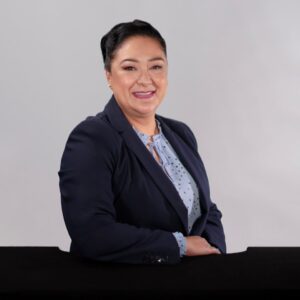
U.S.-licensed dental surgeon · Mexico professional license #33592067 · Active member, American Academy of Cosmetic Dentistry (AACD) since 2009 27+ years of clinical practice.
This article is for general information. It does not diagnose your case and does not replace an in-person exam, CBCT review, and a written treatment plan.