
An itchy roof of mouth can come from allergies, but several causes are dental or oral and are easy to miss at home. This guide separates the two and explains when an exam helps.
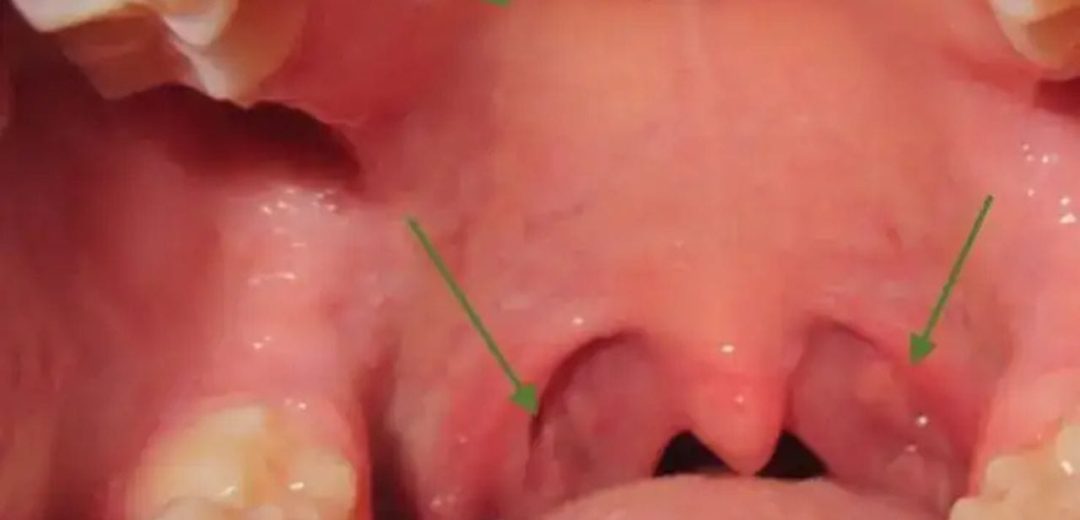
Dental Problem or Allergy: Telling Them Apart
Most itching on the roof of the mouth starts with the immune system, not the teeth. Oral allergy syndrome, hay fever, and food sensitivities cause the classic “itchy palate” that often comes with itchy ears, a scratchy throat, or watery eyes. A dental or oral cause is more likely when the itch stays in one spot, follows a new appliance, or comes with a visible sore.
How can you tell if the itch is allergic?
An allergic itch usually starts within minutes of eating raw fruit, nuts, or vegetables, or during pollen season. It tends to affect the palate, tongue, lips, and throat at once, and it often fades within an hour once the trigger is gone. Itching inside the ears at the same time points strongly toward allergy.
What signs point to a dental or oral cause?
Look for a pattern tied to your mouth rather than your meals: itching that started after a new denture, retainer, or night guard; a patch that is red, white, raised, or sore; a spot that bleeds when you brush; or burning that lingers for days. These clues usually need a direct look at the tissue, not an antihistamine.
When both causes overlap
Yes. Someone with seasonal allergies can also have denture irritation or a healing burn. When symptoms overlap, a short exam separates the two so each cause gets its own care.
| Clue | More likely allergic | More likely dental or oral |
|---|---|---|
| Timing | Minutes after a food or pollen exposure | Constant, or worse when an appliance is worn |
| Location | Palate, tongue, lips, throat, ears together | One area of the palate or gums |
| What you can see | Usually nothing, or mild lip swelling | Redness, white patches, ulcers, raised spots |
| Duration | Fades within about an hour | Lasts days or keeps coming back |
| First step | Avoid the trigger; ask a physician about antihistamines | Dental exam of the soft tissue and appliances |
Dental and Oral Causes of an Itchy Roof of Mouth
Several conditions that dentists see every week can make the palate itch, tingle, or burn. Each has a typical look and a different fix.
Can dentures or retainers make the palate itch?
Yes. A full upper denture covers the entire palate, so pressure points, trapped food, or poor cleaning can irritate the tissue underneath. Some people also react to the acrylic or to a cleaning product. Denture stomatitis, a yeast overgrowth under the plate, shows up as redness in the exact shape of the appliance. Adjusting the fit and changing cleaning habits often settles it.
Burns from hot food or drinks
A “pizza burn” on the palate first hurts, then often itches as the tissue heals over several days. The skin may peel or feel rough. It normally heals on its own within about a week to ten days; a burn that is still sore after two weeks should be examined.
Oral thrush (yeast infection)
Oral thrush is a yeast infection that leaves creamy white patches on the palate, cheeks, or tongue, sometimes with redness and a cotton-like feeling. It is more common in denture wearers, people using inhaled steroids, infants, and anyone with a weakened immune system. It is treated with antifungal medication prescribed by a dentist or physician.
Can a viral sore start with an itch?
Yes. Cold sores and some mouth ulcers begin with tingling or itching a day before a blister appears. Viral infections such as a cold or flu can also leave the palate scratchy. These usually clear in one to two weeks; frequent recurrences are worth discussing with a clinician.
Can toothpaste or mouthwash cause it?
Yes. Flavoring agents such as cinnamon or mint, whitening ingredients, and alcohol-based rinses can irritate the palate in sensitive people. Switching to a plain, unflavored product for two weeks is a simple test; if the itch fades, the product was the likely trigger.
Dry mouth
Low saliva leaves the palate dry, sticky, and sometimes itchy or burning. Medications, mouth breathing, and dehydration are common reasons. The American Dental Association’s dry mouth guide explains causes and daily relief measures.
When Is an Itchy Palate an Emergency?
An itchy palate is an emergency when it comes with swelling of the lips, tongue, or throat, or with trouble breathing. Call 911 or go to the nearest emergency room for:
- Swelling of the lips, tongue, or throat
- Trouble breathing, wheezing, or a tight throat
- Hives across the body, dizziness, or fainting
- Vomiting after eating a known allergen
The role of antihistamines
For a mild, food- or pollen-related itch, an over-the-counter antihistamine recommended by your physician or pharmacist often eases symptoms. It will not fix a denture sore, a burn, or thrush, which is one reason an itch that keeps returning deserves a closer look.
Should you see a dentist or an allergist first?
An allergist or physician is the right first stop when the itch follows meals or pollen, and a dentist when it stays in one spot or follows an appliance. Itching that also reaches the ears or throat points to allergy; a visible sore points to a dental cause.
What Happens at a Palate Exam at Trust Dental Care
A palate check is part of our comprehensive exam, which includes a clinical evaluation, full X-rays, and intraoral photos. The photos give a baseline image of the tissue, so a follow-up visit can show whether a red or white area has changed. As of October 2026, this exam with a treatment plan starts at $60 on our published dental price list.
What does the dentist look at?
The dentist looks at five areas: the hard and soft palate, gums, tongue, cheeks, and any denture or retainer you bring. Dr. Cirenia Aparicio Miranda, a U.S.-licensed dentist (Mexico cédula #33592067) and AACD member, reviews how an appliance seats against the tissue and whether there are pressure spots.
What if the cause is a denture?
When a denture is the cause, the dentist adjusts it, relines it, or plans a new appliance, depending on how it fits. Current removable partial and full denture fees are listed on our price list so the next step is clear before you decide.
When the cause is not dental
If the exam finds no dental or oral cause and the itch follows meals or pollen, a physician or allergist is the right next step for allergy testing and treatment.
Planning a Visit From the U.S.
What should you bring to the exam?
The items to bring to the exam are a medication list, any denture or retainer you wear, and notes on when the itch started. Photos of a flare taken at home can help if the area looks normal on the day of the visit.
Is the exam covered by dental insurance?
We accept PPO plans from Delta Dental, Cigna, Aetna, MetLife, Guardian, Humana, United Healthcare, Principal, and Ameritas. Coverage depends on your policy, so ask our front desk at frontdesk@trustdentalcare.com to check your benefits before the visit.
Getting to the clinic
We offer free transportation from the border and hotel assistance, and we accept cash, Visa, MasterCard, and Amex. If something needs urgent attention, see our dental emergencies page, and for other soft-tissue questions read bumps on the tongue. To book, use our contact page or call (619) 866-6060.
Frequently Asked Questions
An allergic itch often fades within an hour of removing the trigger. A burn or viral sore usually settles in one to two weeks. Itching that lasts longer or keeps returning should be examined.
Stress does not usually cause itching directly, but it can trigger cold sore outbreaks and habits like tongue thrusting or clenching that irritate the palate.
Yes. Expanders, retainers, and aligner edges can rub the palate. Smoothing the appliance or adjusting its fit usually solves it, so bring the appliance to your visit.
No. Scratching with the tongue, fingers, or utensils can break the tissue and slow healing. Cool water and avoiding the trigger are safer while you wait for an exam.
Yes. Palatal expanders and retainers can trap food and irritate the tissue. Daily cleaning of the appliance and a check of its fit are the first steps.
Yes. The comprehensive exam includes a clinical evaluation, full X-rays, and intraoral photos, which help compare the tissue over time. Current fees are on our published price list.

U.S.-licensed dental surgeon · Mexico professional license #33592067 · Active member, American Academy of Cosmetic Dentistry (AACD) since 2009 27+ years of clinical practice.
This article is for general information. It does not diagnose your case and does not replace an in-person exam, CBCT review, and a written treatment plan.